Al-Wasmi: Organizing the establishment and management of places of worship ensures freedom of religious practice and prevents political exploitation
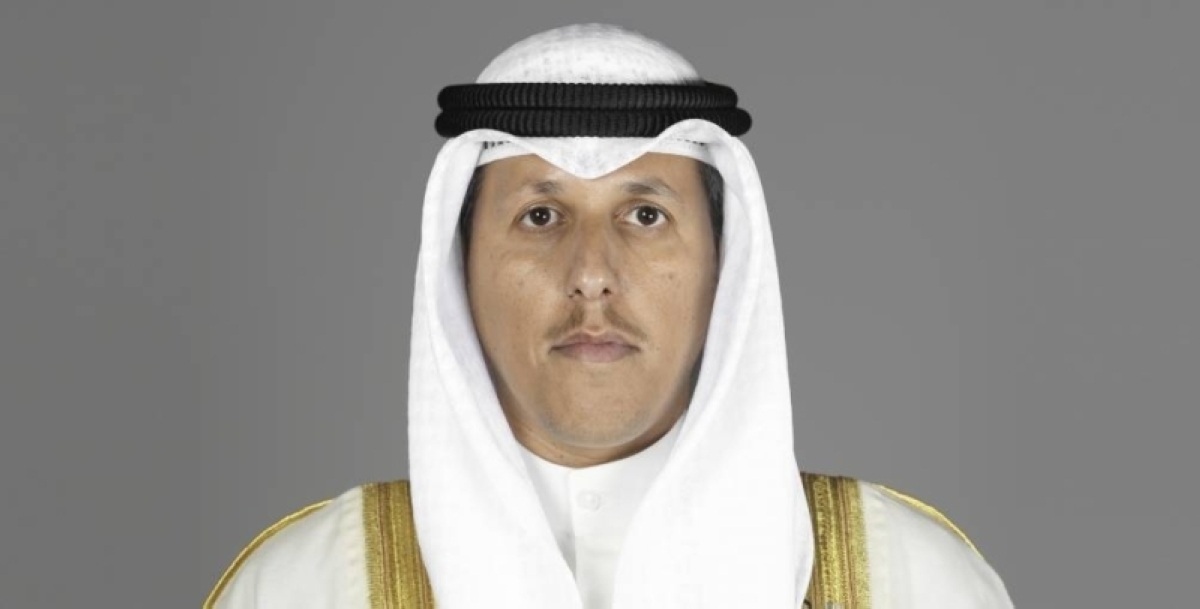
Kuwait’s Minister of Awqaf and Islamic Affairs, Dr. Mohammed Al-Wasmi, stated that the issuance of a law decree regulating the establishment and management of places of worship in the country ensures freedom to practice religious rites and equality among citizens in this regard, while preventing the exploitation of places of worship for political or non-religious purposes.
This comment came in a statement by Minister Al-Wasmi to the Kuwait News Agency (KUNA) following the publication of Official Gazette (Kuwait Al-Yawm) in its issue released on Sunday, which published Law Decree No. 72 of 2026 issuing the law regulating the establishment and management of places of worship. The decree stipulated that those in charge of existing places of worship must regularize their status in compliance with the law and its executive regulations within six months from the date of implementation of these regulations.
Minister Al-Wasmi added that the law prohibits the establishment of places of worship without a license, and bans the construction, expansion, relocation, or change of use of any place of worship without prior approval. It also forbids using places of worship for political propaganda, interfering in the internal and external affairs of states, or inciting fitna (discord), hatred, fanaticism, or extremism.
He noted that the law provides for the formation of a committee comprising representatives from several government entities to review applications for establishing places of worship and issue opinions on them. He emphasized that these laws embody the rule of law and institutional regulation, ensuring the free and peaceful practice of religious rites while simultaneously safeguarding the sanctity of places of worship and their noble religious mission, free from any practices that contradict the purpose for which they were established.
He clarified that this regulatory framework reinforces principles of transparency and justice in procedures related to the establishment and management of places of worship, through clear controls and unified mechanisms that guarantee equal treatment of all applications. This contributes to enhancing social stability, consolidating a culture of moderation and centrism, and preserving places of worship as platforms for worship, cohesion, and the dissemination of values of love and peace.
