Three Oncologists Select the Best Cooking Oil to Combat Cancer
Cancer does not stem from a single cause; its development involves a complex interplay of genetic, environmental, and chemical factors, as well as daily lifestyle patterns. Since complete prevention of the disease remains elusive, attention is consistently focused on what individuals can do to reduce their risk, with diet taking center stage.
Dr. Amar Riewari, Head of Radiation Oncology at Luminas Health and Assistant Professor at the Johns Hopkins University School of Medicine, states that nutrition “plays an important role in cancer prevention, although it is only one piece of the larger puzzle alongside other factors such as smoking, obesity, physical activity, alcohol consumption, infections, genetics, and environmental exposures.”
According to scientific research cited by Dr. Riewari, adopting a healthy diet and lifestyle can reduce the risk of developing cancer by 30 to 40 percent.
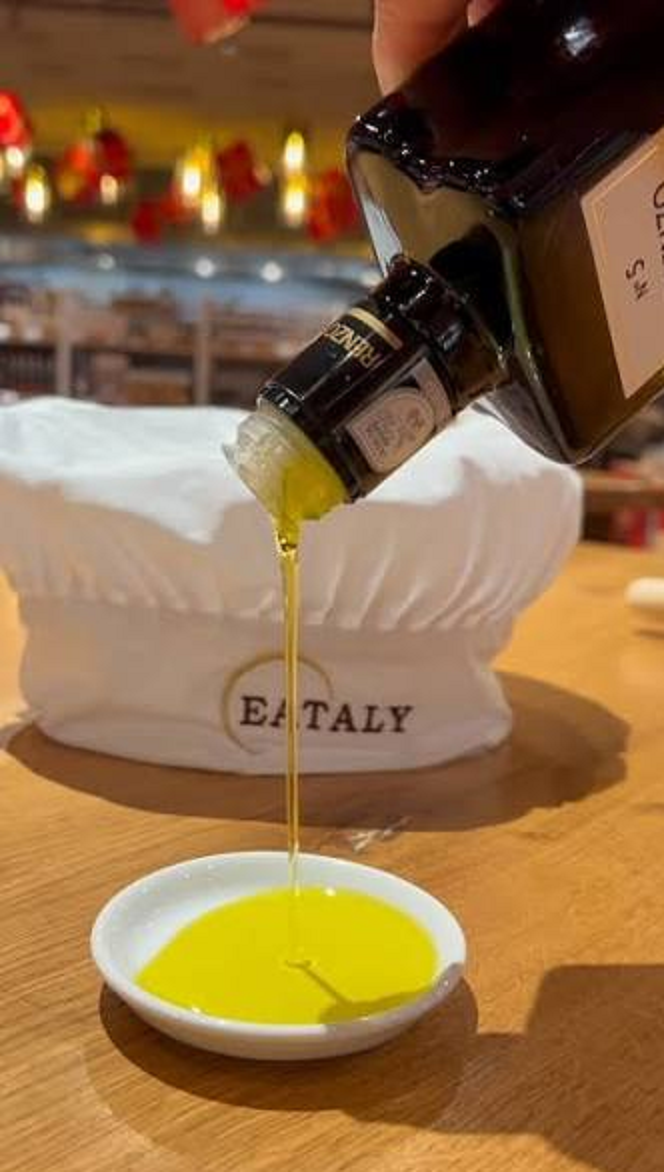
When asked which cooking oil they personally prefer, three oncologists unanimously recommended extra virgin olive oil.
Dr. Ezra Emmanuel, an oncologist and author of a book on healthy nutrition, stated that “extra virgin olive oil is the best cooking oil you can have,” citing a scientific study published in the journal PLOS ONE that linked daily consumption of this oil to a 31 percent reduction in cancer risk.
Dr. Riewari explained this protective effect by pointing to the oil’s richness in antioxidants and unsaturated fats, both of which help reduce inflammation. Chronic, elevated inflammation can stimulate tumor formation and growth.
Dr. Gary Deng, an integrative oncologist and director of the Integrative Oncology Program at the Chao Family Comprehensive Cancer Center at the University of California, Irvine, recommended consuming whole foods rather than highly processed ones, making three-quarters of each meal plant-based, and stopping eating when feeling about 80 percent full. He noted that these practices help reduce obesity, which in turn increases the likelihood of developing cancer.
The choice of a healthy oil is not limited to olive oil; doctors point to other alternatives that can be used as needed, such as:
• Avocado oil, which shares olive oil’s properties of being rich in antioxidants and unsaturated fats.
However, all three doctors agreed that the greatest risk does not lie in the type of oil itself, but in how it is used—specifically, reheating it during deep frying. Dr. Deng explained that reheating any oil, including extra virgin olive oil, “generates carcinogenic compounds such as polycyclic aromatic hydrocarbons, aldehydes, and other lipid oxidation products.” For his part, Dr. Riewari noted that fried foods are often high in calories, linking them to obesity, a well-established risk factor for cancer. He added that overall dietary patterns and cooking methods often have a greater impact than the type of oil alone.
To avoid the risks associated with reheating and deep frying, the three doctors recommend sautéing or baking, or using an air fryer, which gives food a crispy texture without requiring large amounts of oil.
