Argentina and Spain... by the numbers
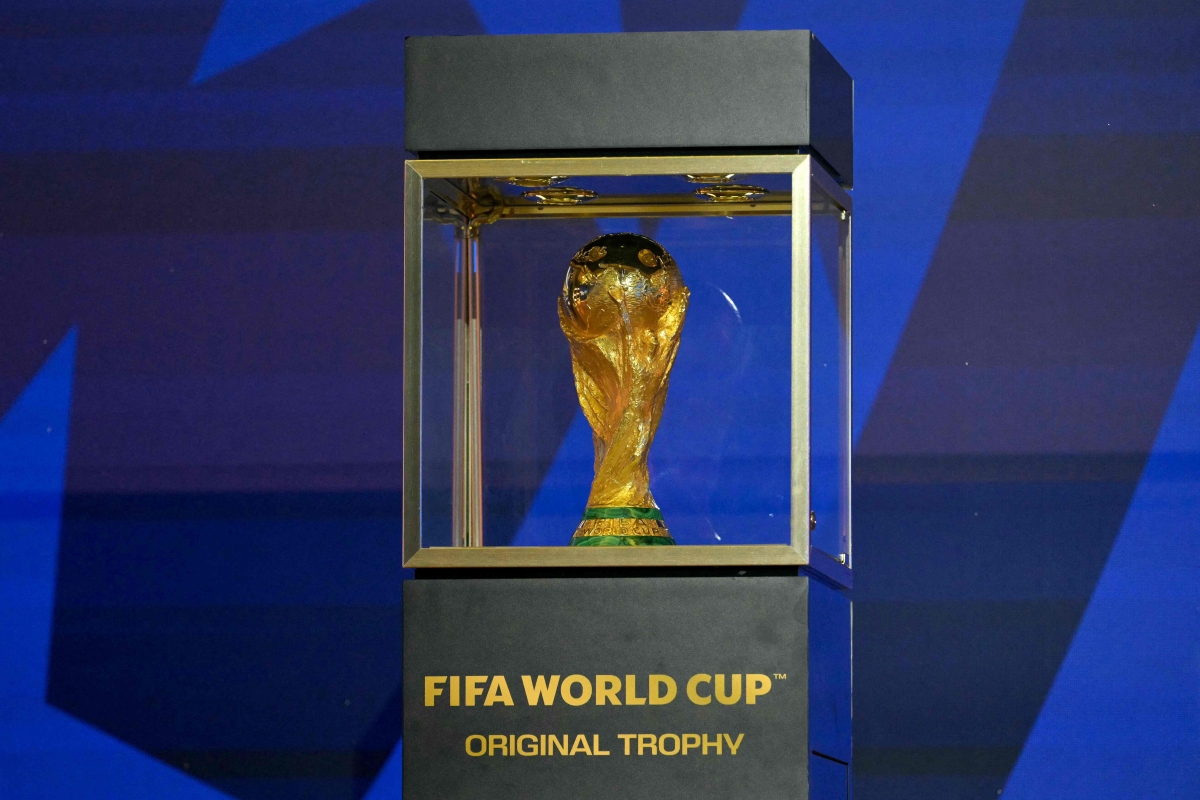
All eyes are on the 2026 FIFA World Cup final in North America, where defending champions Argentina face European champions Spain in a clash between two distinct footballing schools and two legends from different generat
Translated by Qiyas from الراي — Original source
All eyes are on the 2026 FIFA World Cup final in North America, where defending champions Argentina face European champions Spain in a clash between two distinct footballing schools and two legends from different generations: Argentine icon Lionel Messi, making his third final appearance, and Spanish prodigy Lamine Yamal, making his debut on the world’s biggest football stage.
A report by the British BBC noted that Argentina played two matches that went to extra time, meaning they played a full hour more than Spain. Therefore, statistics relied on performance rates per 90 minutes to ensure a more accurate comparison between the two national teams.
Argentina established itself as the tournament’s most potent attack, scoring 19 goals—the highest tally among all 48 participating teams—benefiting from significant shooting efficiency in front of goal.
The “Tango Dancers” also continued an exceptional streak, scoring at least two goals in 13 consecutive World Cup matches, dating back to their 2-1 defeat to Saudi Arabia in the 2022 World Cup in Qatar.
Conversely, although Spain registered more shots on target than their opponents, they managed only 13 goals—six fewer than Argentina—a figure closely aligning with their expected goals (xG) total of 13.3, reflecting a normal attacking output without exceptional efficiency.
While both teams were similar in scoring from inside the penalty area, the real difference emerged in long-range efforts. Argentina scored five goals from outside the box, whereas Spain failed to score from distance throughout the tournament.
Spain conceded just one goal in the current edition, which came in their 2-1 quarter-final victory over Belgium.
Argentina, meanwhile, conceded seven goals, but the numbers suggest their defense was stronger than the scoreline indicates. They are among the teams that allowed the fewest shots by opponents, and their expected goals against per 90 minutes is surpassed only by Spain.
Nevertheless, coach Luis de la Fuente’s defensive system remains exceptional, recording the lowest expected goals against in the entire tournament (2.1), even outperforming Uruguay, who were eliminated in the group stage.
Even France’s potent attack struggled to create dangerous chances against the Spanish defense. Opta data showed that all opportunities granted to opponents were of low quality, with no high-quality chances created.
Spain also ranked second among all teams in regaining possession in the attacking third, behind Uruguay, managed by former Argentine coach Marcelo Bielsa.
Conversely, all teams that faced Argentina recorded higher total distances covered during matches, yet this did not prevent the world champions from winning every time.
Argentina’s less physically demanding style, along with resting several players in the final group stage match against Jordan, may grant them a physical advantage despite playing 60 additional minutes.
Both teams dominated possession in most of their matches, but they also demonstrated the ability to win without full control of the ball.
Spain managed just 51 percent possession against France in the semi-final, while Argentina held only 48 percent against Algeria in the group stage, yet both teams emerged victorious.
Spain relied more on crossing than their opponents throughout the tournament, but Argentina intensified its use of this weapon in the knockout stages, executing 51 crosses in its last three matches compared to just 13 in the first four. Lautaro Martínez scored the winning goal against England (2-1) from one of these crosses.
Spain also leads the tournament in aerial duels won, while Argentina holds a relative advantage in ground duels.
Of the 209 dribbles executed by players from both national teams during the tournament, the two stars alone accounted for 90, representing nearly 43 percent of the total.
Yamal tops the list of most dribbled players at the World Cup, while only Brazil’s Vinícius Júnior has attempted more dribbles than Messi.
This is a clash between attacking efficiency and defensive stability. It pits a legend seeking to write the final chapter of glory against a young talent striving to usher in a new era atop the throne of world football.
