Drone targets tanker in Basra
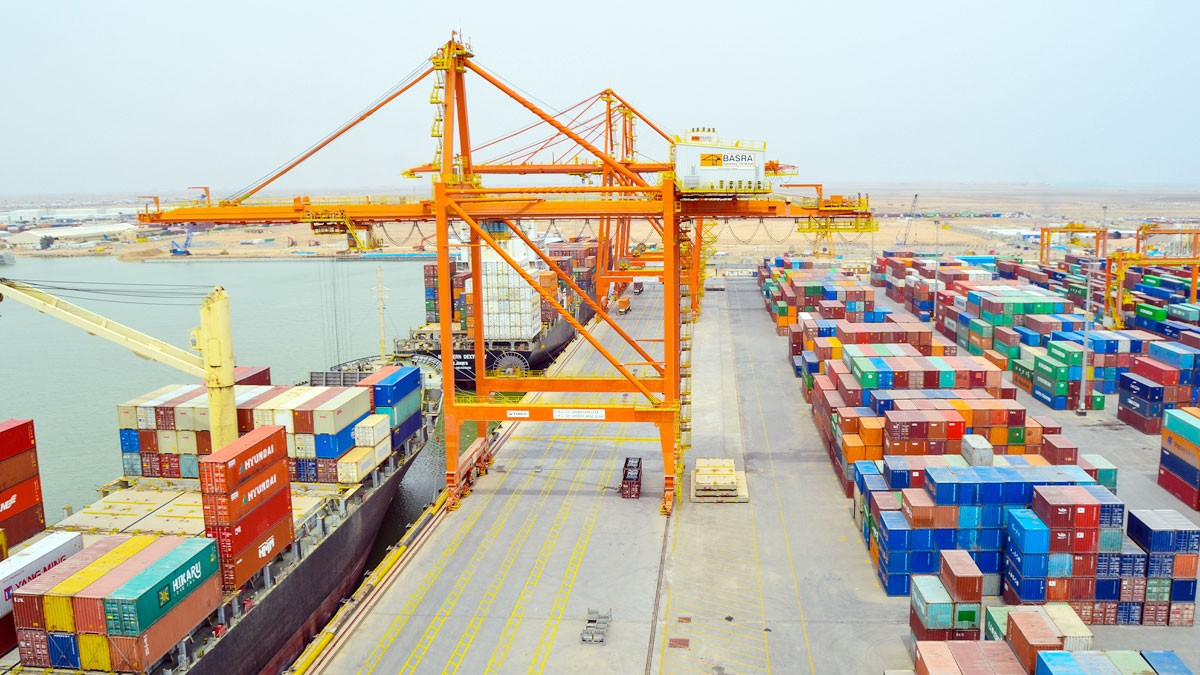
The targeting of an oil tanker within Iraqi territorial waters has raised concerns about the widening repercussions of escalation in the Strait of Hormuz on Iraqi oil exports and maritime security in the Gulf, amid quest
Translated by Qiyas from الراي — Original source
The targeting of an oil tanker within Iraqi territorial waters has raised concerns about the widening repercussions of escalation in the Strait of Hormuz on Iraqi oil exports and maritime security in the Gulf, amid questions about the political and economic messages underlying the attack and its impact on Baghdad’s regional and international relations and its options for diversifying oil export routes away from the strait.
Four sources from the oil and security sectors told Reuters that Iraq temporarily halted oil loading operations on Thursday before resuming them, following the targeting of an oil tanker by a drone at the Basra oil terminal.
However, the Ministry of Oil confirmed that reports claiming a halt to crude oil exports from southern ports were “inaccurate.”
It clarified that an investigation revealed the incident involved an oil tanker that reported spotting an unidentified object in its vicinity, and that no fire broke out and the ship sustained no damage.
Ali Nizar, Managing Director of the State Organization for Marketing of Oil (SOMO), told Reuters, “The targeting was not directed at the Basra oil terminal, but at another location. Loading operations are proceeding at normal rates according to tanker availability.” The four sources noted that the targeted tanker was withdrawn from the port, along with another tanker that was anchored there, as a precautionary measure.
On Wednesday, the official Iraqi News Agency (INA) reported that a drone fell in the port of Al-Faw without causing damage, affirming that port operations were unaffected by the incident.
Meanwhile, a spokesperson for Dana Gas said the company had closed its main production facilities in the Khor Mor gas field due to credible security threats and escalating regional tensions.
In a separate development, Iraqi Prime Minister Mohammed Shia’ Al-Sudani found himself facing a new political and security test after Axios reported that Ali al-Zaidi had resisted Iranian pressure aimed at dissuading him from visiting Washington.
According to the website, Al-Zaidi insisted on proceeding with his official visit and meeting President Donald Trump at the White House. The report noted that the Prime Minister had attended the funeral of former Iranian Supreme Leader Ali Khamenei a few days prior before traveling to Washington, a scene reflecting the delicate balancing act Baghdad has sought to maintain in its relations with both Tehran and Washington since 2003.
For his part, Al-Sudani directed relevant security agencies, in coordination with Kurdish security forces, to take all necessary measures to prevent such attacks from recurring and to pursue those responsible.
