What Happens to the Liver When Drinking Green Tea Regularly?
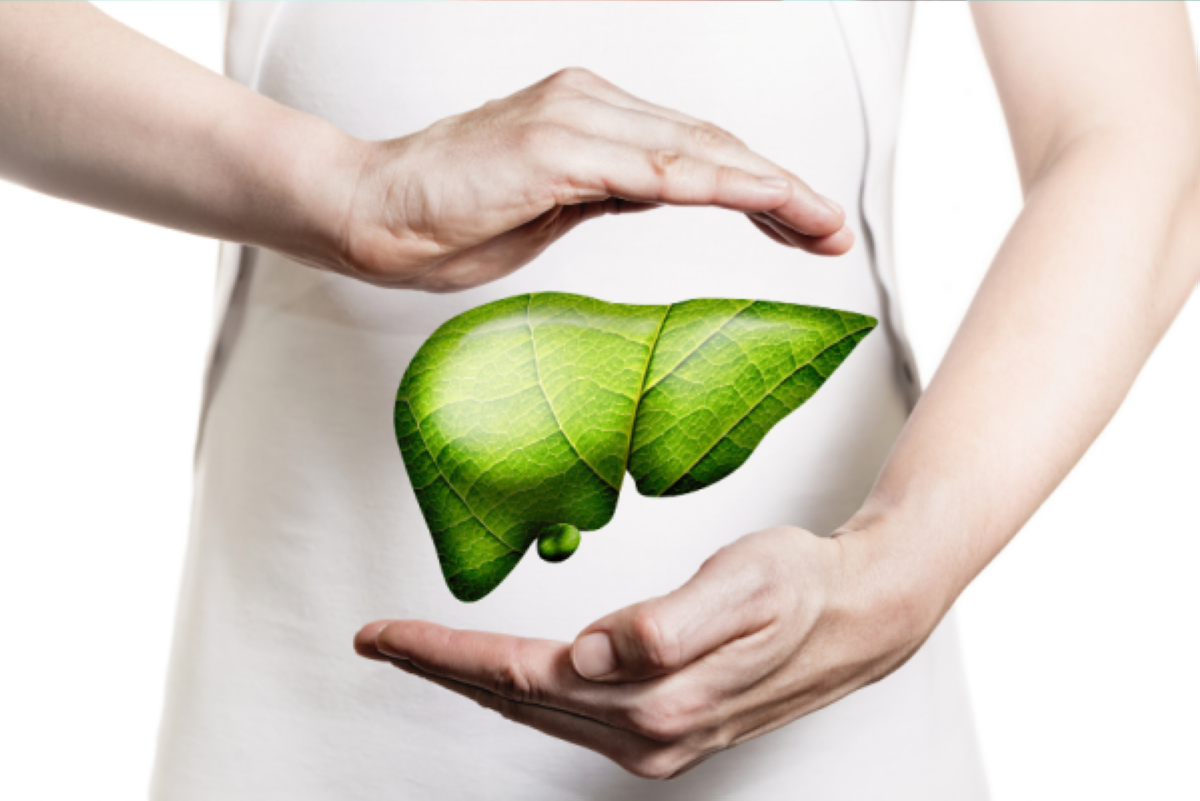
When discussing the impact of beverages on liver health, the mind often turns to alcohol as the most damaging factor for this vital organ—a view unanimously held by nutrition experts without dispute. However, another condition has become increasingly prevalent: metabolic dysfunction-associated steatotic liver disease (MASLD), formerly known as non-alcoholic fatty liver disease (NAFLD), which now affects approximately 40 percent of the global population.
Malina Malkani, a nutritionist and owner of the Malina Malkani Nutrition Clinic, states that what we drink plays a pivotal role in this spread. She explains that “sugary beverages, for example, are linked to a significant increase in the risk of fatty liver disease, whereas something as simple as daily tea or coffee may work in your favor.” She adds that the liver silently processes everything we consume throughout the day, meaning that small daily choices accumulate their effects over time.
Among the various types of tea, green tea has recently gained popularity due to its properties associated with boosting metabolism. Since the liver serves as a central hub in this metabolic system, it is natural for researchers to focus on studying its specific effects on the organ. Malkani clarifies that “the liver acts as the command center of the digestive system, as it lies in direct contact with the intestines, receiving the first exposure to what we eat or drink before it reaches the rest of the body. It also secretes bile to aid in the digestion and absorption of fats, regulates blood sugar and cholesterol, and filters toxins.”
According to Diana Kosa, a senior dietitian for Food and Nutrition Services at Northwell Health’s Plainview Hospital, the short-term benefits of green tea, which may appear within a day or two weeks, typically occur at the cellular level and may not be perceived by individuals as a tangible change in liver function. However, green tea contains epigallocatechin gallate (EGCG), a powerful antioxidant whose effects on the liver—and thus on metabolism—can begin within just a few days or weeks.
MacKenzie Dryden, a dietitian at Honor Health, notes that the antioxidants in green tea “may affect the liver quickly by helping to reduce oxidative stress and inflammation, which can accelerate aging and contribute to chronic diseases such as cardiovascular disease, type 2 diabetes, and cancer.” Kosa adds that regular consumption of green tea also helps achieve the following:
On the other hand, Dryden warns that although green tea is generally safe for liver health, it contains caffeine, making it a diuretic. She cautions that consuming large amounts of caffeine exceeding 400 milligrams per day may lead to dehydration due to fluid loss through urine. Malkani explains that most risks associated with green tea are linked to concentrated supplements, particularly when taken on an empty stomach, as they can cause liver damage within weeks or months. Individuals carrying the HLA-B*35:01 genetic variant face a relatively higher risk. She emphasizes that such injuries are usually associated with much higher concentrated doses than those obtained from a cup of regular brewed tea.
To fully reap the long-term benefits of green tea, Kousa recommends drinking two to five cups of brewed green tea daily, with each eight-ounce cup containing between 50 and 100 milligrams of epigallocatechin gallate (EGCG).
