Kitchen Error Turns Watermelon into a Source of Salmonella
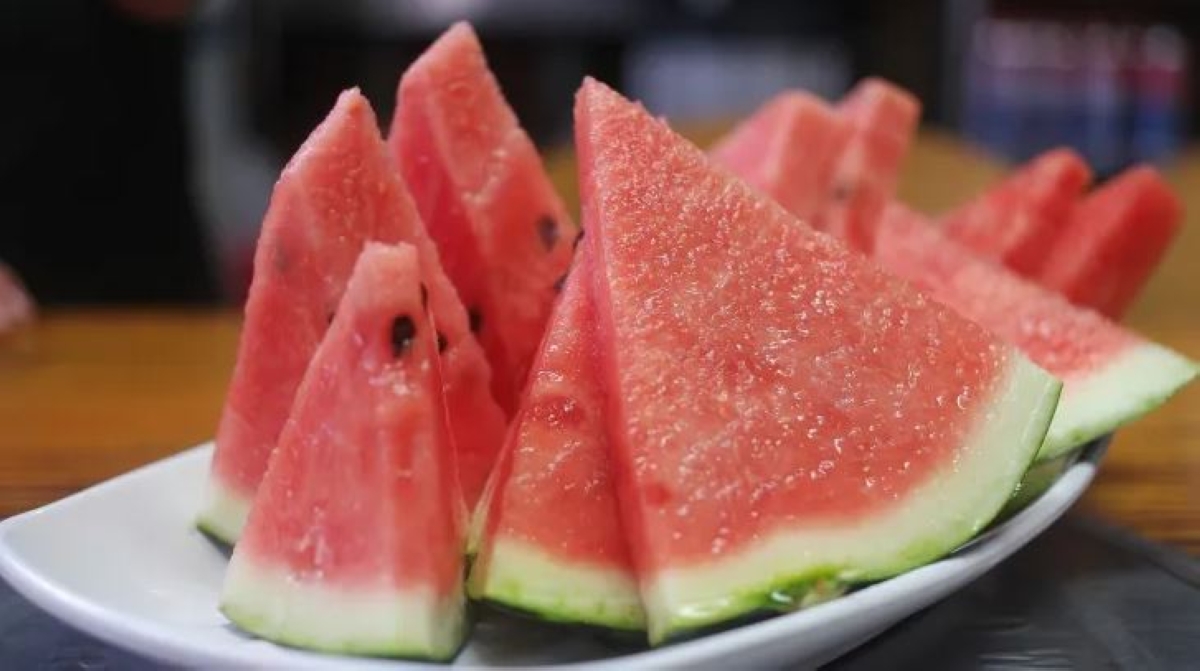
Many people make a common and simple mistake when cutting watermelon and preparing it for daily consumption, as they overlook a preparatory step that may seem unimportant to them but can directly lead to the transfer of dangerous bacteria and the contraction of foodborne illnesses.
A medical report published by the specialized health website Very Well Health warned that neglecting to carefully wash the outer rind of the watermelon before cutting it paves the way for bacteria adhering to the surface to transfer to the edible inner flesh.
When beginning to cut the watermelon, the knife blade can act as a transport bridge; it pulls bacteria settled on the rind and pushes them into the depth of the fruit’s interior. If the outer rind is contaminated with pathogenic germs such as Salmonella or Escherichia coli bacteria, they seamlessly transfer to the red flesh. Once established inside, these microorganisms begin rapid organic reproduction, especially if the pieces are left at room temperature for an extended period or not stored in a proper and ideal cooling environment.
Watermelon picks up these microscopic contaminants at various stages of production; starting from the muddy field where it grows in contact with the soil, through contact with shared shopping carts in grocery stores, to surfaces and hands in home kitchens. Because watermelon grows trailing on the ground, it is more susceptible to direct contact with dust, contaminated runoff water, and animal waste.
- Hand sanitization: Hands must be thoroughly washed with soap and water before handling fresh fruits or vegetables and after finishing.
- Immediate drying: Drying the outer rind with a clean towel or thick paper towels before cutting; as drying helps reduce moisture that stimulates bacterial growth.
Although watermelon is generally classified as a low-risk food, it remains a fruit eaten raw without cooking; this means that germs that may infiltrate it do not encounter heat to eliminate them. Immediately after cutting, the fruit should be quickly stored in the refrigerator; cut watermelon loses its quality and safety if left at room temperature, while it maintains its safety and nutritional quality inside the refrigerator for a maximum of three to five days.
