Beetroot... A Nutritional Treasure
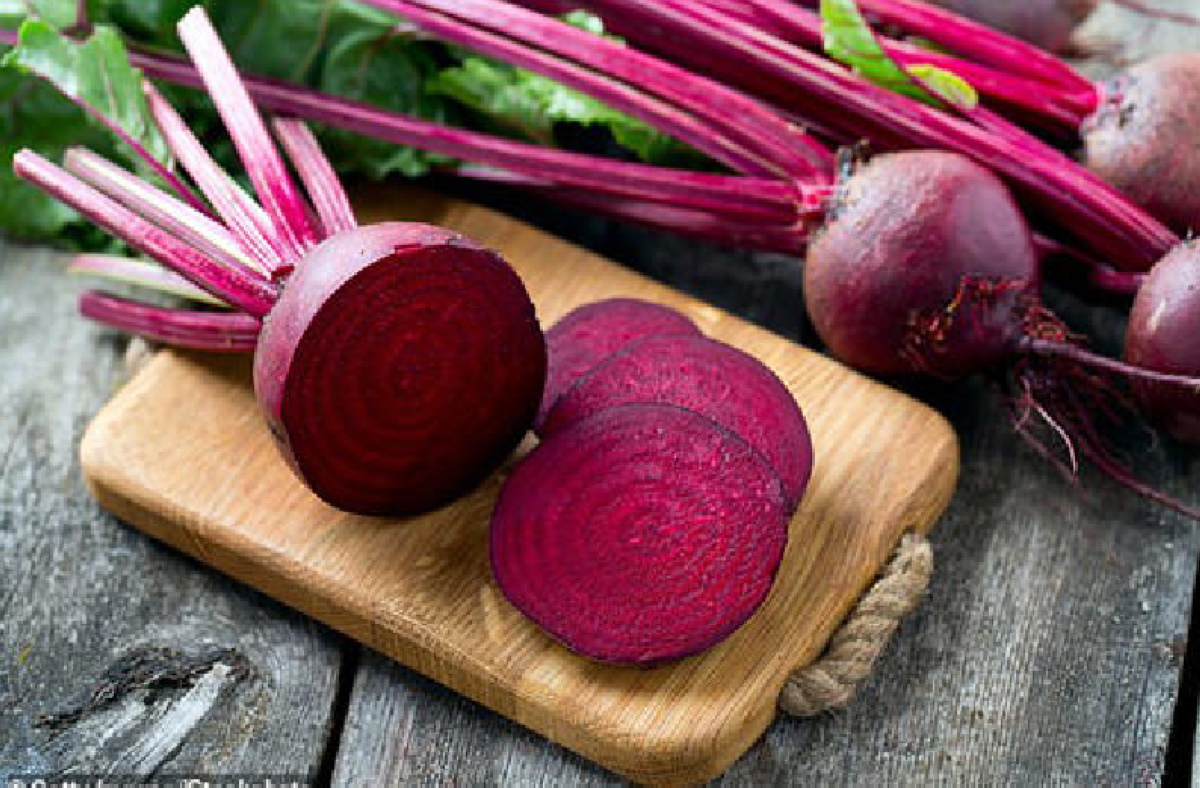
Beetroot (beets) is gaining an increasingly prominent reputation in nutritional circles as one of the most beneficial root vegetables for overall health, combining high nutritional value with low calorie content, making it a preferred choice for those seeking to improve their diet without sacrificing variety or flavor.
According to nutrition experts, a single serving of fresh beetroot provides a significant amount of folate and vitamin C, along with smaller amounts of vitamin A, B vitamins, and vitamin K. The root also contains potassium, iron, magnesium, and manganese, as well as dietary fiber that supports digestive health. However, what distinguishes beetroot most notably is its content of betalains, pigments responsible for its deep red color, which possess antioxidant properties that help the body combat free radicals and reduce oxidative stress.
Another key feature of beetroot is its richness in natural nitrates, which the body converts into nitric oxide, a compound that contributes to vasodilation and improved blood flow. Limited studies have shown that beetroot juice may lower systolic blood pressure, although results vary by age and gender. One study involving 85 adults indicated only a slight effect on blood pressure, observed exclusively in participants under the age of 65.
In the realm of sports, beetroot has attracted widespread attention from exercise physiologists, who have investigated the effects of its juice on cardiovascular endurance and physical performance. One study conducted on professional runners demonstrated that juice consumption slightly improved performance speed in short races. However, experts believe this benefit may be more pronounced in elite athletes than in amateur enthusiasts.
Regarding dietary supplements derived from beetroot, Sydney McQuain, a clinical pharmacist at the University of Missouri-Kansas City, has warned against spending money on pills or concentrated juices, advising instead to consume fresh beetroot to obtain the full benefits, including fiber and other accompanying nutrients that may be lost during drying and manufacturing processes.
Despite these multiple benefits, certain health cautions remain:
• Excessive consumption of beetroot may temporarily change the color of urine or stool to pink or red, a condition known as "beeturia," which poses no health risk.
• Beetroot contains high levels of oxalate salts, which may increase the risk of kidney stone formation in susceptible individuals. It may also cause excessive drops in blood pressure in those who already suffer from low blood pressure or are taking antihypertensive medications.
Nutrition experts generally recommend incorporating beetroot into weekly meals in moderation, and advise consulting a physician in case of existing health issues related to the kidneys or blood pressure before increasing consumption.
