Chronic Constipation Linked to the Hidden «Gut Brain»!
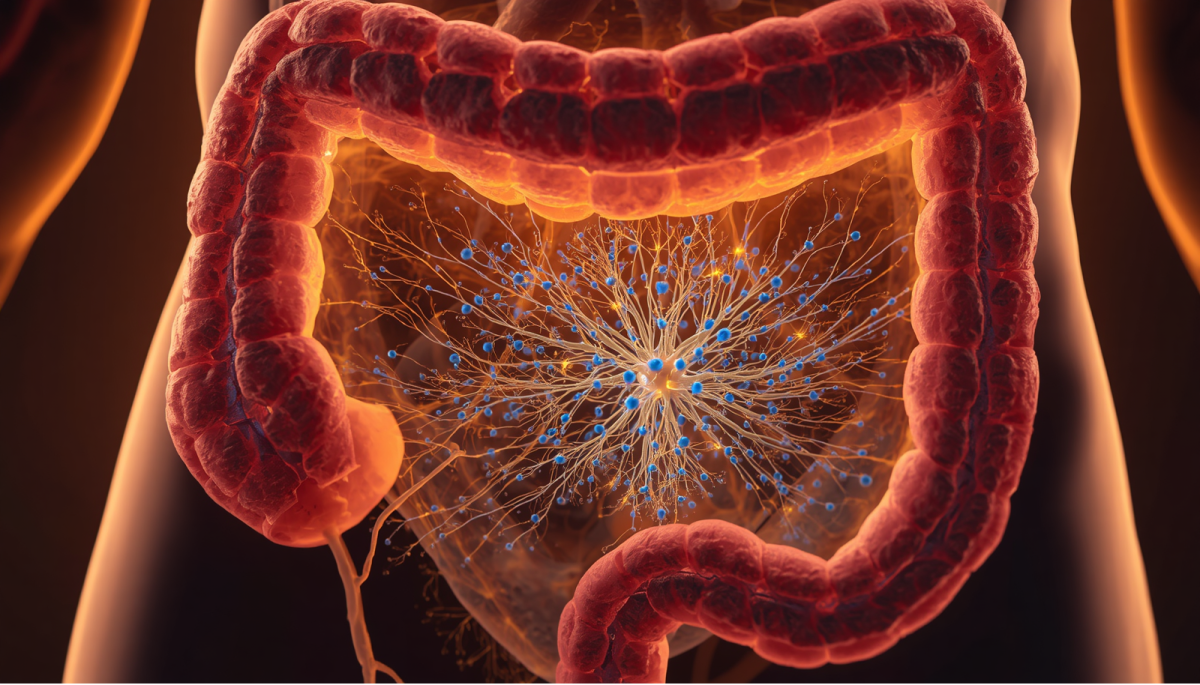
The science website ScienceAlert reported that a research team has gained a deeper understanding of the causes of chronic constipation affecting millions of people worldwide, noting that the root of the problem may lie in what is known as the body’s “second brain,” the enteric nervous system. According to the study published in the journal Frontiers in Immunology, up to 15 percent of the world’s population suffers from this condition in its various forms.
According to the report, the term chronic constipation encompasses multiple patterns that differ in their causes and symptoms, the most prominent of which is known as “slow-transit constipation” (STC). This involves a slowdown in the movement of waste through the digestive tract, which may result from a dysfunction in the enteric nerves responsible for peristalsis—the rhythmic muscular contractions that push the contents of the intestines toward elimination.
Researchers explained that such cases may arise from a disruption in the “gut-brain axis,” a communication system that influences several daily factors such as mood, and perhaps even long-term cognitive decline. However, this elusive disruption is itself influenced by constantly changing interactions between gut bacteria, the mucosal membranes of the digestive tract, and the enteric nervous system, known as the body’s “second brain.”
According to specialized medical sources, this system is defined as a network comprising more than 100 million nerve cells lining the digestive tract from the esophagus to the rectum. It is primarily responsible for regulating the digestive process, starting from swallowing and extending to the secretion of enzymes and the regulation of blood flow necessary for nutrient absorption.
Researchers noted that this cumulative dysfunction can lead to the loss of nerve cells, neurochemical imbalances, or disruption in the function of cells akin to “pacemaker” cells that generate the electrical waves driving the rhythmic peristalsis of the colon. Given this complexity and the diversity of chronic constipation patterns from one case to another, the research team believes there is an urgent need to explore multiple therapeutic pathways rather than relying on a single approach.
The report concluded that enjoying regular and effortless bowel movements represents an underappreciated and undervalued aspect of daily quality of life, and that a deeper understanding of the mechanisms of the “second brain” could open the door to more precise and effective treatments for millions of people suffering from chronic constipation worldwide.
It should be noted that chronic constipation is a sensitive medical topic. If an individual is personally experiencing persistent or chronic digestive problems, consulting a specialist physician remains the most crucial step before taking any therapeutic action.
