A New Approach to Treating Type 1 Diabetes... Using Stem Cells
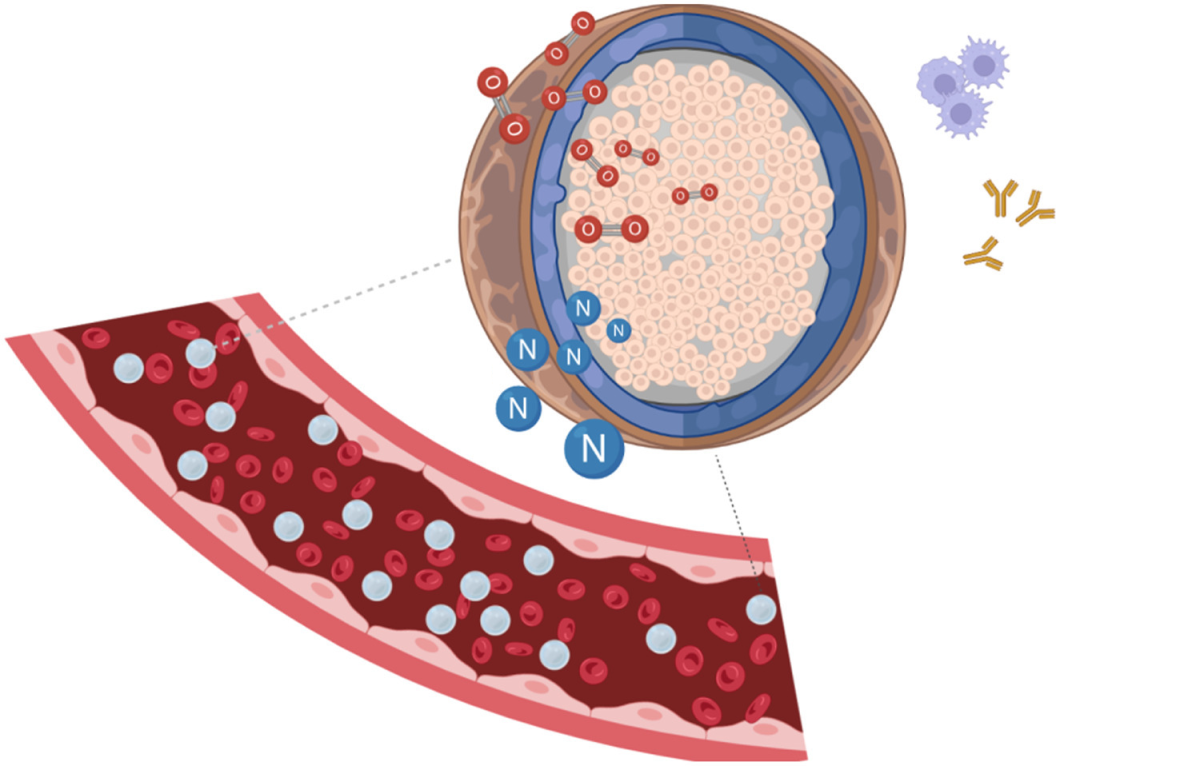
A study presented at the annual conference of the International Society for Stem Cell Research (ISSCR) unveiled a new therapeutic approach aimed at expanding the use of alternative cell therapy for patients with type 1 diabetes. The approach involves evaluating whether immune-engineered insulin-producing cells derived from donors can survive and function without the need for chronic immunosuppressive drugs.
According to the study, the core challenge it addresses is overcoming immune rejection of transplanted cells, a barrier that has so far limited the widespread adoption of islet or stem cell transplantation for type 1 diabetes patients. Dr. Sonja Schrepfer, from Cedars-Sinai Medical Center in the United States and a visiting professor at Uppsala University in Sweden, who presented the study, stated: “Type 1 diabetes is still primarily treated with insulin replacement, rather than replacement of the lost insulin-producing cells.”
Schrepfer explained that this study, the first of its kind conducted in humans, was designed to assess whether “hypoimmune engineering” could enable transplanted cells to remain protected from immune attack and perform their function without chronic immunosuppression, describing it as a pivotal question that has remained open in the field for years.
The researcher noted that if these findings are confirmed by subsequent studies, the approach could broaden access to alternative cell therapies by removing one of the major obstacles to their widespread adoption. She added that this would represent a step toward a “functional cure” that restores biological insulin production and alleviates the daily burden of disease management for patients.
