Environment: Three factors limit the effects of sandstorms
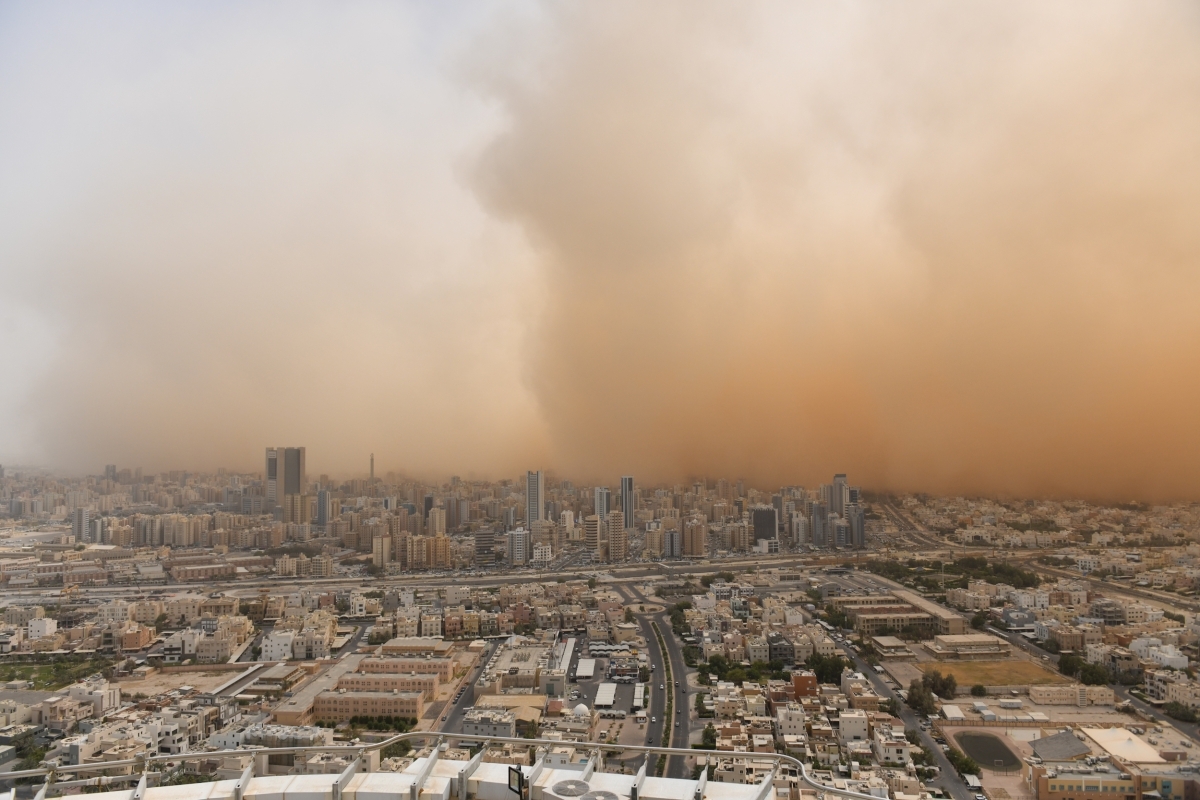
Sheikha Al-Ibrahim, Director of the Public Relations and Media Department at the Public Authority for Applied Education and Training, affirmed that combating the effects of sand and dust storms is not limited to respondi
Translated by Qiyas from الراي — Original source
Sheikha Al-Ibrahim, Director of the Public Relations and Media Department at the Public Authority for Applied Education and Training, affirmed that combating the effects of sand and dust storms is not limited to responding during their occurrence, but also includes enhancing sustainable environmental practices, preserving vegetation cover, and supporting initiatives aimed at combating desertification, as these are factors that contribute to reducing dust dispersion and improving environmental quality.
This statement came in an interview with KUNA on the occasion of the International Day for Combating Desertification and Drought, which fell yesterday, Sunday. Al-Ibrahim noted that this occasion serves as an opportunity to raise environmental awareness regarding the importance of mitigating the negative impacts of sand and dust storms on air quality, public health, and ecosystems, particularly in arid regions.
She added that, due to its geographical location and desert nature, Kuwait is among the countries affected by sand and dust storms during various periods of the year. This necessitates concerted national efforts and enhanced public awareness of the importance of adhering to preventive guidelines issued by competent authorities to safeguard individual health and safety.
Al-Ibrahim emphasized the Authority’s continued efforts to monitor and track air quality indicators through environmental monitoring stations distributed across various regions of the country, thereby providing accurate data that supports the implementation of appropriate measures. She also highlighted cooperation with relevant government entities to mitigate the environmental and health impacts resulting from these natural phenomena. Furthermore, she stressed the Authority’s ongoing implementation of awareness and educational programs to embed environmental culture among all segments of society, in alignment with Kuwait’s vision of achieving sustainable development and protecting natural resources for future generations.
For her part, the Environmental Protection Society called for adopting sustainable environmental solutions to prevent the escalation of dust storms in the country and to mitigate their negative impacts on human health and Kuwait’s environment.
Speaking to KUNA on the occasion, Society member Dr. Wafa Al-Bahbahani stated that dust and sand and dust storms are developmental issues that require integrated efforts among various concerned parties, as they constitute a dangerous environmental phenomenon with direct impacts on ecosystems.
Al-Bahbahani added that the repercussions of dust extend beyond reduced visibility, posing economic and social challenges that affect road users’ safety, disrupt air traffic, halt certain port operations, negatively impact the agricultural sector, and lead to declining productivity.
She clarified that afforestation is one of the most important scientific tools for mitigating the effects of this phenomenon, due to its role in stabilizing soil, curbing sand encroachment, and reducing the transport of dust and particulate matter.
