Wearing many rings is not an attempt to attract attention
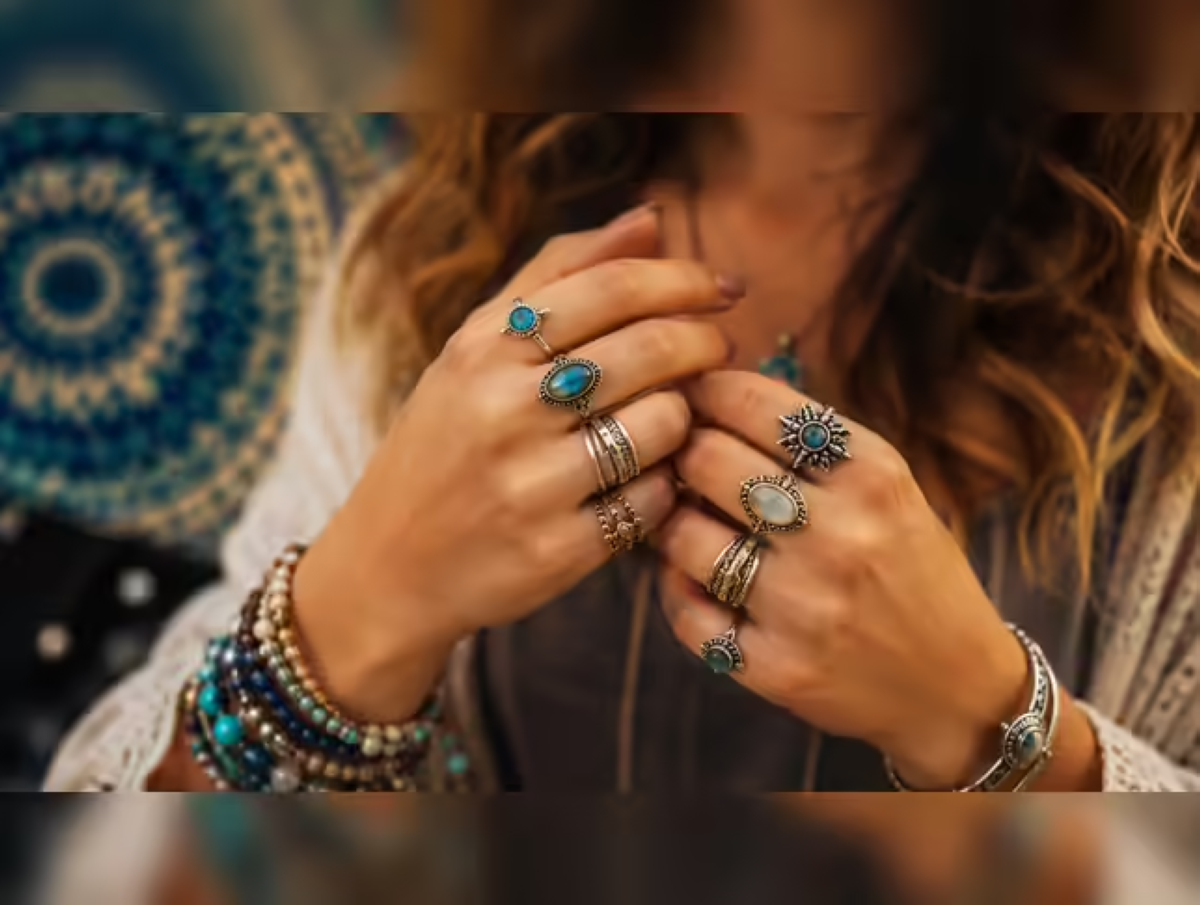
The newspaper “Economic Times” published a report examining the psychological motivations behind the habit of wearing multiple rings, clarifying that the common belief that this practice aims to attract attention or show off may be misleading. Psychology offers more precise explanations centered on identity and emotional memory. The report noted that rings often carry deep personal meanings, symbolizing important relationships, values, or life milestones, and are used as a tool for self-expression rather than necessarily for social display.
- The “Extended Self” theory (Russell Belk): People view certain possessions as extensions of their identity. A ring inherited from a grandmother carries family memories and values, while a ring given on a special occasion becomes part of one’s personal narrative.
- The “Symbolic Completion of the Self” theory (Wicklund and Gollwitzer): People use material symbols to enhance aspects of their identity that they feel are incomplete, such as creativity, commitment, independence, or spirituality. Rings may compensate for a symbolic deficit.
- Emotional attachment theory: Strong emotional bonds form with meaningful objects, turning rings into transitional objects that enhance psychological security, especially during periods of transition or stress.
The report clarified that individuals who wear multiple rings often choose them carefully to represent life stages, achievements, or cultural or religious affiliations. Some rings may be gifts from close ones, endowing them with emotional value that surpasses their material worth. Stacking rings on different fingers may reflect an artistic or unconventional personality, or simply an aesthetic preference, but the primary motivation remains more internal than external.
The report added that recent studies in social psychology suggest that jewelry can influence how others perceive an individual, but the core motivation for wearing it is often related to internal satisfaction and enhanced self-confidence, rather than a desire to elicit admiration. Choosing the right ring can strengthen feelings of coherence and completeness, giving individuals a sense of control over their identity in a complex world.
The report concluded that wearing many rings is a multi-dimensional behavior that combines aesthetics, symbolism, and identity, and that understanding these motivations helps appreciate human diversity beyond preconceived judgments. It called for viewing this phenomenon as part of cultural and personal expression that reflects the complexity of the human experience, and advised against hastily interpreting external appearances without understanding the internal context.
