Developing a drug to treat fatty liver... by improving the gut
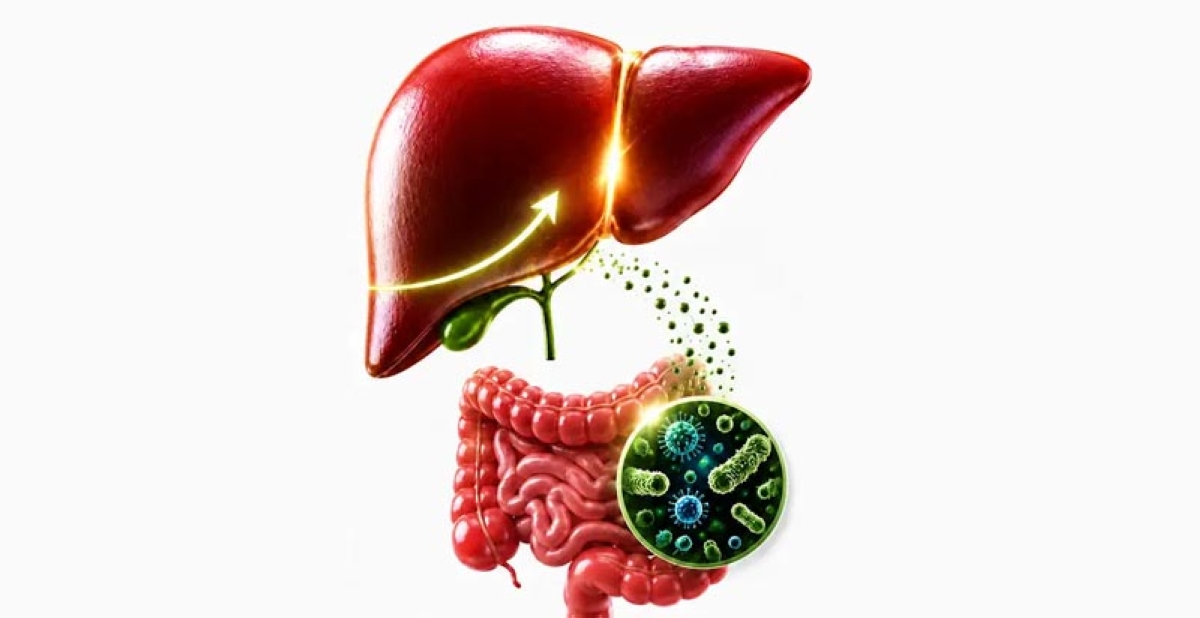
The website News-Medical published a report on a promising drug development that could change the landscape of treatment for non-alcoholic fatty liver disease (NAFLD). This follows the success of researchers at the University of California in developing a pharmaceutical compound that does not target the liver directly, but instead works to improve gut health and the microbiome, thereby reducing inflammation and fat accumulation in the liver.
The report stated that the new drug, still in preclinical stages and carrying the code name “UH-38,” works by repairing the intestinal lining and reducing its permeability. This prevents bacterial toxins from leaking into the bloodstream and reaching the liver, where these toxins had previously fueled inflammation and stimulated fat accumulation in hepatocytes.
• Fat accumulation in the liver decreased by more than 50 percent after 12 weeks of treatment, with a corresponding drop in inflammatory markers and liver enzymes in the blood.
• Restoration of normal bacterial diversity in the gut, with an increase in beneficial bacteria that produce short-chain fatty acids, which nourish colon cells and improve insulin sensitivity.
• Improvement in blood sugar and triglyceride levels, indicating a comprehensive effect on metabolic syndrome associated with obesity and type 2 diabetes.
Researchers emphasized that the significance of this approach lies in addressing the root cause rather than merely the symptoms. Growing evidence suggests that gut microbiome dysbiosis is the primary driver of NAFLD, a condition affecting approximately one-quarter of the global population and currently lacking any approved pharmacological treatment.
The report warned that the results remain preliminary and require years of clinical trials in humans before the drug becomes available in pharmacies. However, it noted that initial safety data for the compound were highly encouraging, with no serious side effects recorded in animal studies.
The report concluded that medicine is entering a new era in understanding the gut-liver axis, and that the future treatment for one of the most serious diseases of our time may not target the liver itself, but rather the processes occurring upstream in the patient’s intestines.
