New Test Detects Oral Cancer Within an Hour
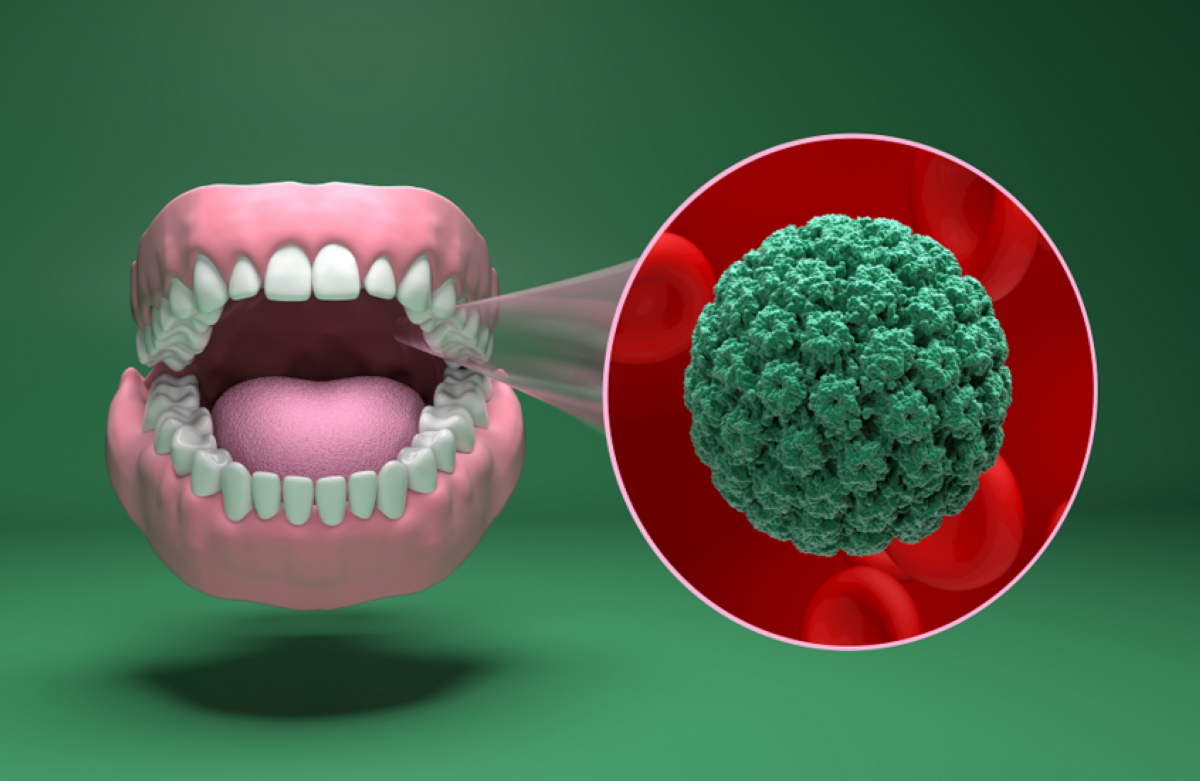
In a breakthrough that could change the way diseases are diagnosed and spare thousands of patients from undergoing painful surgical biopsies, a new non-invasive test can detect oral cancer in just one hour.
The test, which relies on a brush swab taken from inside the mouth, has demonstrated a high ability to distinguish between cancerous conditions and benign lesions, enabling earlier diagnosis and safer, easier patient monitoring.
Oral cancer is among the most prevalent cancers worldwide, affecting approximately 650,000 people annually.
The challenge lies in the fact that more than half of oral cancer cases are not detected until stage four, when the disease has reached an advanced stage. Early diagnosis, by contrast, significantly increases the chances of successful treatment and survival.
A study involving the analysis of more than 1,000 samples taken from 545 patients, conducted by a research team led by scientists from Queen Mary University of London, showed that the new test could reduce unnecessary surgical biopsies for suspected oral cancer by more than 90 percent.
Currently, patients undergo surgical biopsies using a scalpel when a potentially cancerous lesion is suspected, even though most of these lesions are benign. These biopsies not only cause significant pain but can also lead to infection. They are difficult to perform in certain areas of the mouth, such as the gums, and may damage surrounding teeth or bones. The procedure becomes even more challenging when the sample is taken from the tongue, the most common site for oral cancer, making repeated examinations undesirable for both patients and doctors.
Researchers developed the new test, known as qMIDS-V3, building on a previous version that required taking a very small tissue sample.
According to RT (Russia Today), the new version requires only a superficial swab of oral cells using a brush, without removing any tissue, while maintaining diagnostic accuracy comparable to the previous test.
Professor Moi-Teh Tse, Professor of Molecular Oral Oncology at Queen Mary University of London, stated that survival rates for oral cancer patients are directly linked to how quickly the disease is detected. However, the current diagnostic pathway forces most patients to undergo surgical biopsies, even though the likelihood of cancer is low in most cases.
He added that the new test provides a fast, accurate, and non-invasive method for patient assessment. It can be repeated regularly to monitor lesions that may turn cancerous and to detect the disease at an early stage.
Researchers emphasized that what surprised them most was that a simple brush swab from the surface of the mouth achieved diagnostic accuracy nearly equivalent to that of precise tissue biopsy, paving the way for the adoption of less invasive and more comfortable diagnostic methods for patients in the future.
