Departure... Ahead of His Time
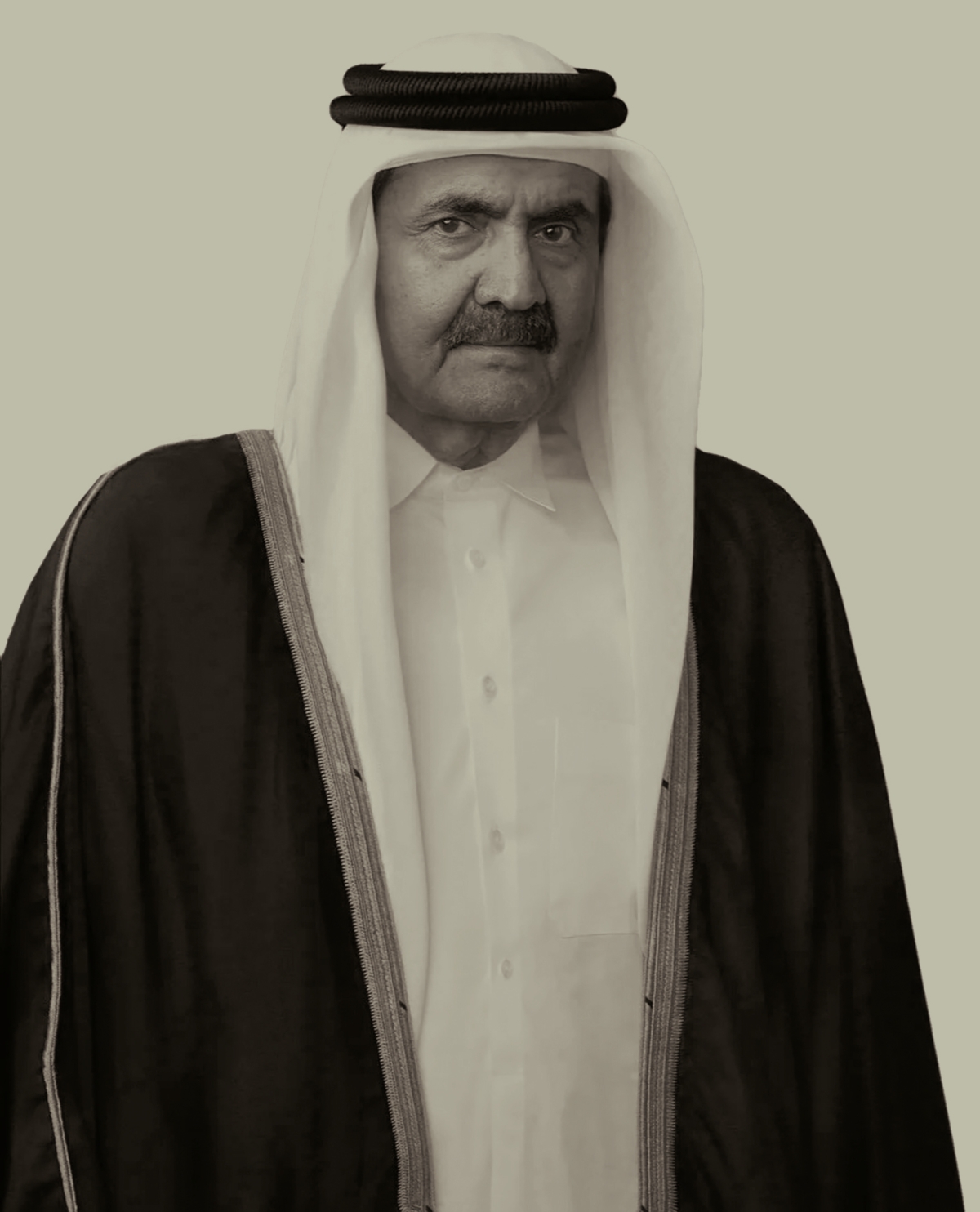
Sheikh Hamad bin Khalifa was not an ordinary ruler of Qatar, nor of any other country. He carved his name as a pioneer of the most significant transformations in modern Arab history, turning Qatar into one of the most rapidly developing nations and establishing it as a regional and global player despite its small size.
Whenever I met him, may God have mercy on him, he would explain to me the equation linking the optimal use of the state’s resources to serve every Qatari with the role a country can play by transcending its geographical size through vision, management philosophy, and diplomacy. “Simply put, there are those who need us because of the blessings God has bestowed upon us with our wealth, and it is our duty to transform economic investment cooperation into a weapon that serves our nation, our people, and our causes,” he would explain this global expansion in relations with a concise statement like that.
He was distinctive in everything: in managing rapprochement, and even in managing differences. In his focus on transforming Qatar into an economic giant and his personal daily follow-up of ministers’ work, particularly in the energy sector. In abolishing the Ministry of Information among his first decisions upon assuming power—a precedent in the Arab world, and indeed a surprise to many. In launching an unprecedented political and media phase in the region, which he said consumed more of his time in meetings with his peers than the time dedicated to agreements and cooperation. In adopting a style of spontaneous, candid dialogue between the ruler and the ruled, and between the ruler and his Arab and foreign peers. In declaring strong positions even if they displeased some… and in his spontaneous, direct retreat from any expression that might have been misunderstood. In his emphasis on education and modern technology, and attracting the finest international institutions to Doha. It is no secret that education was a primary concern for him; he was the main supporter of his protected campus and his sons and daughters in managing a wide network of agreements and contracts to advance education.
In striving westward and eastward to serve Qatar in all fields and elevate its name in every forum. Who could forget how he led the arduous path to secure his country’s hosting of the FIFA World Cup, becoming the first Gulf and Arab nation to do so, and how he stood applauding with his family when the result was announced, unable to contain the joy of the entire world. In the manner of transferring power to his son, Emir Tamim, while he was in full health and capable of continuing the leadership trajectory.
I met the late Sheikh many times. Our first meeting was in a professional capacity, and subsequent encounters were in the spirit of friendship, which he was keen to keep open with everyone, even if friends disagreed with him on certain issues. He held firm, deeply rooted convictions on all Arab and Islamic issues, displayed unnatural flexibility in translating these convictions into action, and unprecedented courage in pursuing experiments to achieve political or humanitarian goals here and there.
Our last meeting was over dinner at his palace some time ago. He was the same, unchanged, though he appeared slightly tired. He possessed an iron memory, recalling previous meetings and discussions, and reorganizing their outcomes to draw lessons: “Here, God granted us success. Here, circumstances prevented success. Here, we were on the verge of reaching a historic agreement, had it not been for the developments that occurred. Here, the issues could have been managed differently.”… A sharp mind, recalling many milestones. He laughed when I told him that Qataris call him “the buryer of poverty,” to which he replied: “I wish I could bury poverty everywhere. The irony is that we were swimming in prosperity for Qatar and its people; I only needed a compass for guidance.”
During that last dinner, he received on his iPad, which he always carried, a text message reporting the martyrdom of unarmed Palestinians at the hands of Israeli gunfire. He could not suppress his tears, saying: “And helplessness is also a form of oppression.”
May God have mercy on you, O founder of modern Qatar. Our consolation lies in the continuity of your approach under the young Emir Tamim bin Hamad, who drew from your wisdom and vision and added the vitality of youth to the path of governance.
