"International Energy": Kuwait's oil production rose to 1.37 million barrels
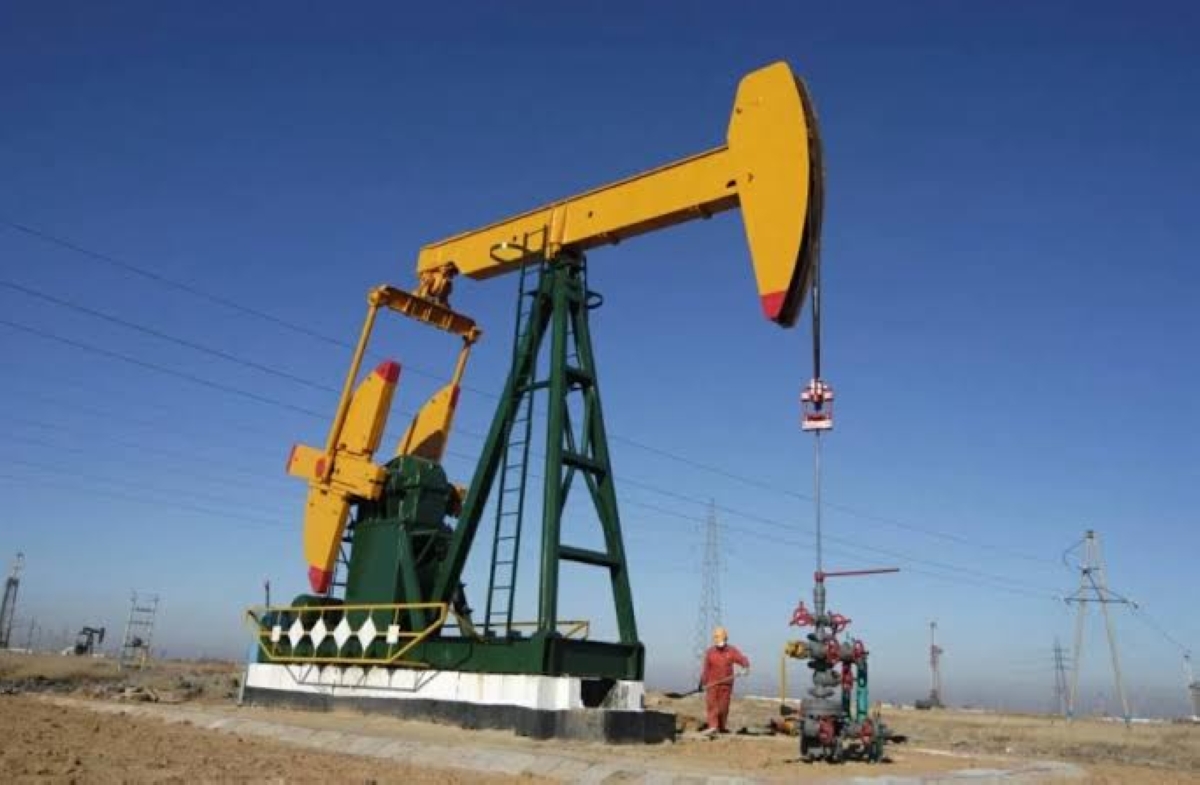
Data from the International Energy Agency (IEA), released in its July 2026 monthly oil market report, showed that Kuwait recorded one of the largest increases in crude oil production among OPEC+ alliance members in June,
Translated by Qiyas from الراي — Original source
Data from the International Energy Agency (IEA), released in its July 2026 monthly oil market report, showed that Kuwait recorded one of the largest increases in crude oil production among OPEC+ alliance members in June, coinciding with the recovery of Gulf supplies following the resumption of oil flows through the Strait of Hormuz.
According to the report, Kuwait’s production rose to 1.37 million barrels per day (bpd) in June, up from 740,000 bpd in May, an increase of approximately 630,000 bpd.
Regionally, Saudi Arabia recorded the largest production increase within the alliance, with output rising from 6.44 million bpd in May to 7.34 million bpd in June. Iraq’s production increased from 1.48 million bpd to 1.96 million bpd, while Libya’s production stood at 1.30 million bpd, down from 1.33 million bpd in May. Venezuela’s production remained stable at 1.08 million bpd.
The agency noted that OPEC production rose from 16.36 million bpd in May to 18.39 million bpd in June, while production from OPEC countries subject to production cut agreements reached 13.71 million bpd.
Outside OPEC, Russia’s production increased to 8.86 million bpd, up from 8.74 million bpd in May, while Kazakhstan’s production declined to 1.89 million bpd from 1.94 million bpd. Mexico’s production remained steady at 1.37 million bpd, and Oman’s production rose to 850,000 bpd, compared to 820,000 bpd in the previous month. Consequently, total OPEC+ production reached 32.44 million bpd in June, up from 30.30 million bpd in May.
The report indicated that global oil supplies increased by 4.1 million bpd in June to reach 98.8 million bpd, driven by the resumption of tanker traffic through the Strait of Hormuz and the recovery of part of Gulf production.
Despite this rise, global supplies remain approximately 9.4 million bpd below pre-war levels. The agency expects average supplies in 2026 to decline by about 3.7 million bpd to 102.6 million bpd, with a projected increase of 7.5 million bpd in 2027 if geopolitical conditions stabilize and navigation continues normally.
The report clarified that total oil exports from Gulf countries, including shipments not passing through the Strait of Hormuz, surged by 6.5 million bpd in June to reach 16.1 million bpd.
Nevertheless, Gulf exports remain well below their pre-war average of 24 million bpd. Crude oil and condensates accounted for approximately 85% of the monthly increase in exports, supported by draws from floating and onshore inventories.
The agency observed that global demand began to recover gradually after hitting its lowest point in May at 97.9 million bpd, a level approximately 5.3 million bpd lower than the same period last year.
The agency expects demand to rise by more than 8 million bpd by October compared to May levels, supported by the summer travel season and the release of pent-up demand. However, it projects that average global demand in 2026 will decline by 1 million bpd, before recording growth of approximately 2 million bpd in 2027.
The report noted that record oil prices continued to decline in June, as crude flows through the Strait of Hormuz improved and expectations of a supply surplus grew. The benchmark North Sea crude fell to around $68 per barrel in early July before rebounding to $77 amid renewed clashes.
Global oil inventories rose in June for the first time in four months, increasing by 21 million barrels due to higher seaborne oil shipments. Meanwhile, inventories in Organisation for Economic Co-operation and Development (OECD) countries fell by 62 million barrels, of which 44 million barrels came from draws on government strategic reserves.
