Creatine Supplements... Help in Fighting Cancer
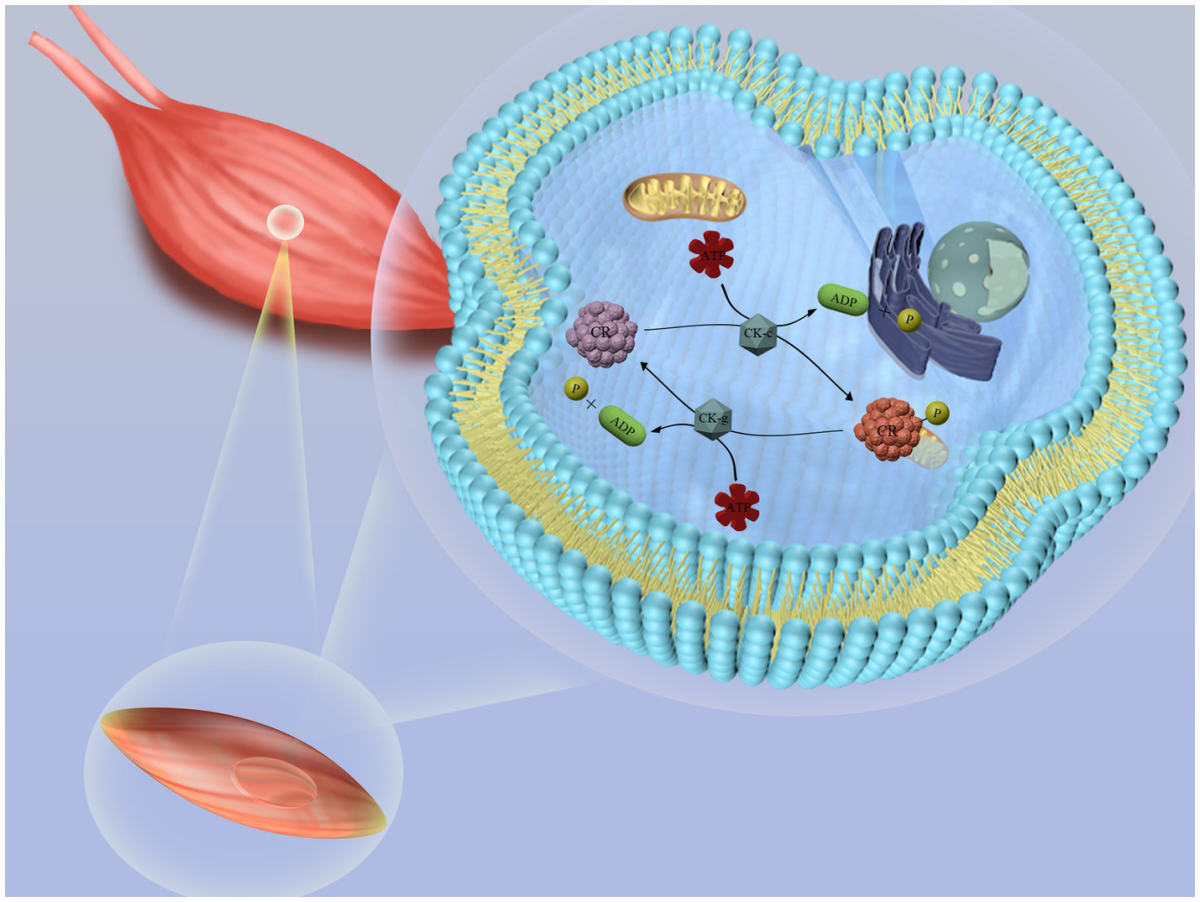
The journal iScience published a recent study conducted by a team of researchers at the University of California, Los Angeles, which revealed that the creatine supplement, widely known as a performance enhancer and muscle strength builder, can boost the immune response against cancer through an unexpected biological mechanism that goes beyond merely supporting killer T cells.
The study reported that creatine, a low-cost dietary supplement commercially available for decades, does not limit its effects to T cells that directly attack tumors, but extends to dendritic cells, a specialized class of immune cells that act as “field commanders,” capturing tumor fragments and presenting them to killer cells to identify targets and launch attacks.
Among the key findings observed by researchers in mouse models infected with melanoma skin cancer were:
• Daily creatine injections led to a noticeable slowdown in tumor growth compared to the control group, with a concurrent increase in the numbers and activity of dendritic cells that managed to infiltrate the tumor mass.
• Creatine-treated dendritic cells released higher levels of chemical signals attracting additional immune cells, thereby transforming the tumor environment from an isolated zone into an open battlefield for a multi-front immune attack.
• The supplement increased the energy reserves within dendritic cells; researchers likened the role of creatine to a rechargeable battery that allows these cells to store and release energy as needed, even while competing with rapidly growing cancer cells for limited nutrients.
Professor Lili Yang, the study’s senior author and professor of Microbiology, Immunology, and Molecular Genetics at the University of California, emphasized that while immunotherapy has shown exceptional promise, it succeeds in fewer than half of patients. She explained that the novelty of this study lies in demonstrating that creatine not only assists fighting T cells but also activates their entire supporting and guiding infrastructure.
Co-researcher James Elston Brown added that the emerging potential suggests creatine could be used in two complementary ways: first, as a dietary supplement to enhance the immune response in patients already receiving immunotherapy, and second, as a tool to improve the quality of dendritic cell vaccines before administering them to patients.
However, researchers cautioned against drawing any direct dietary or medical recommendations from these results at present, as the study was conducted on cells and mice, not humans. They stressed that patients undergoing cancer treatment should consult their treating physician before adding any dietary supplement to their therapeutic regimen.
The study concluded that creatine, long associated in public consciousness with gyms and bodybuilding, may be an unexpected candidate for bolstering the immune arsenal against cancer, provided that upcoming human clinical trials confirm these promising laboratory findings.
