"Carol"... First Robot to Perform a Mastectomy
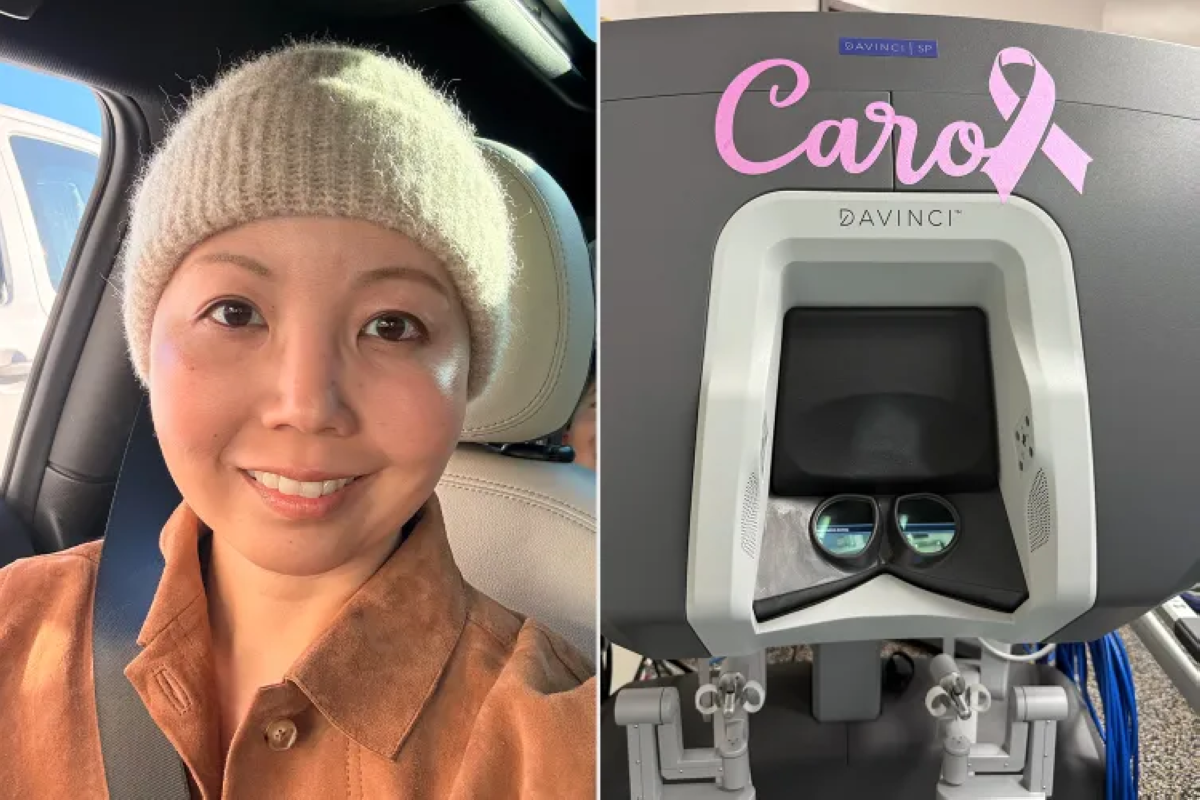
The US healthcare system Sutter Health announced the first single-port robotic mastectomy of its kind performed in the United States outside of clinical trials, at Alta Bates Summit Medical Center in Oakland, California. The procedure was performed on Vicki Pan, a 46-year-old mother of two from the nearby town of Moraga, who was diagnosed with an early-stage malignant tumor.
The surgery was overseen by Dr. Rita Quan-Fineberg, a specialist in breast cancer and robotic surgery. She underwent months of training with robotic surgery specialists in Abu Dhabi and conducted preparatory exercises with her surgical team before applying the technology to patients.
The single-port approach relies on a single small surgical incision, the size of a paperclip, made away from the breast. Through this incision, robotic arms equipped with magnified three-dimensional vision are inserted, allowing the surgeon to remove cancerous tissue while preserving the skin and nipple. Sutter Health states that this approach reduces visible scarring, helps preserve sensation, and improves cosmetic outcomes for eligible patients.
The Da Vinci SP robotic surgical system, which costs $2 million, received approval from the US Food and Drug Administration (FDA) for use in nipple-sparing mastectomies. The robot is named “Carol” in honor of the wife of a donor who contributed to providing the device to the hospital. After his wife died of breast cancer, the donor transformed his painful experience into an initiative benefiting other patients.
Current clinical data confirm the efficacy of this approach. A randomized, multi-center trial, the results of which were presented at the American Society of Breast Surgeons meeting, concluded that single-port robotic surgery provides safety and satisfaction outcomes comparable to those of traditional open nipple-sparing surgery in early-stage cases.
However, specialists emphasize the need for longer-term comparative studies to confirm long-term results.
Pan is currently undergoing preventive chemotherapy and immunotherapy in preparation for a scheduled reconstructive procedure and is now in the recovery phase. Since last March, Dr. Quan-Fineberg has performed 16 additional procedures using the same technique on ten other patients, with three more scheduled in the coming weeks, indicating an expanding adoption of this surgical approach.
According to the hospital, charitable support from a donor helped bring this robotic system to Alta Bates Summit earlier this year, enabling more patients in the region to access advanced breast cancer surgery without needing to travel to distant academic medical centers.
