Political Outrage Sweeps Washington Following Agreement with Iran
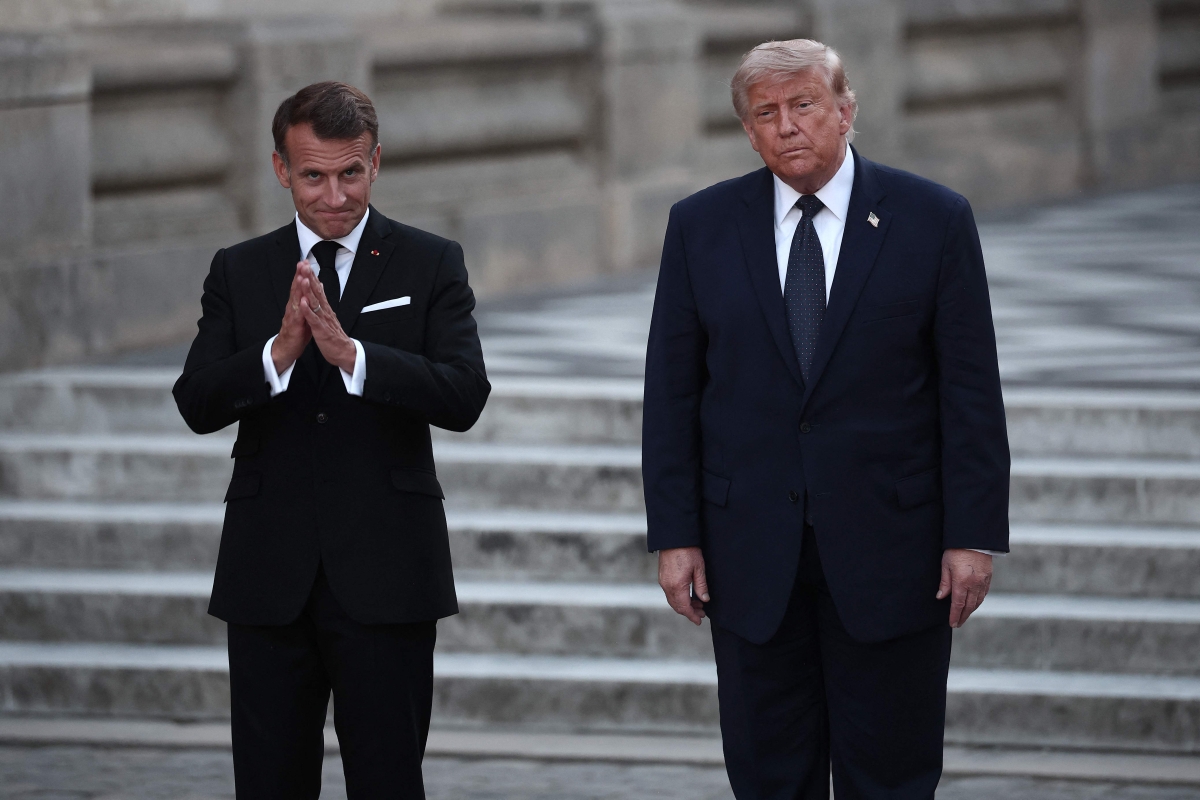
Politicians and opposition figures criticized the nuclear agreement between Trump and Iran, deeming it a major concession.
Translated by Alqyas from Al-Rai — Original source
A wave of intense political anger swept through Washington following the signing of a memorandum of understanding between President Donald Trump’s administration and Iran. The deal faced sharp criticism from both Democratic and Republican lawmakers, as well as from the media.
Politicians described this development as a “historical sin” in the trajectory of foreign policy, arguing that the agreement represents an unacceptable retreat from the United States’ strategic principles.
Republican Senator Ted Cruz of Texas attacked the deal, contending that its terms grant the Iranian regime significant economic gains before it makes fundamental concessions on the nuclear file. He stated that the funds expected to flow to Iran under the agreement could be used to support activities that Washington considers a threat to its interests and allies, and he criticized what he described as the continued Iranian influence in the Strait of Hormuz.
In response, Donald Trump Jr. accused Cruz of “blatant lying” regarding the terms of the agreement, insisting that the United States would not provide direct financial aid to Iran. He claimed that criticisms of the deal were based on misleading information, adding that attacking the president using what he termed “fake news” did not serve the conservative agenda.
Criticism extended to conservative Republican figures and media personalities, including Senator Bill Cassidy and commentator Mark Levin, who expressed concerns that the agreement would provide Tehran with economic relief without sufficient guarantees regarding its nuclear and missile programs.
Opponents of the deal also criticized the absence of clear provisions addressing Iran’s ballistic missiles and Tehran’s regional role, arguing that the memorandum focuses more on halting hostilities and lifting sanctions than on addressing the root causes of tension.
These debates reveal a growing divide within the Republican Party between supporters of Trump’s new diplomatic vision and opponents who believe the agreement offers extensive concessions.
American media outlets have largely criticized what they view as Trump’s concessions, condemning the abandonment of pre-war objectives, the strengthening of Tehran’s power, and the expenditure of tens of billions on military efforts.
Even Fox News, known for its closeness to Republicans, provided ample space for critics who argued that the memorandum granted Iran “significant financial gains without obligating it to dismantle its nuclear program.”
The memorandum is merely a transitional step before detailed negotiations begin on Friday in Switzerland, focusing on the more complex issue of imposing long-term restrictions on Iran’s nuclear ambitions, amid ongoing U.S. suspicions about the existence of a secret program to manufacture nuclear weapons.
One clause of the memorandum stipulates that the United States, in cooperation with partners, will facilitate the disbursement of a $300 billion reconstruction fund, once a final agreement is reached regarding the nuclear program.
It appears that messages from Trump’s inner circle will not alter Fox News’ stance on dedicating significant coverage to criticizing the memorandum. The network noted that “while the U.S. administration portrays the memorandum as a historic achievement, critics argue that the concessions made to Iran far outweigh the commitments obtained in return.”
The left-leaning television network MSNBC reported that “the White House has agreed to extend a ceasefire that has failed to achieve any of its pre-war objectives, while making massive financial concessions to Tehran.”
The Wall Street Journal noted that the memorandum of understanding is “widely viewed as the biggest bet in foreign policy during Trump’s second term,” adding that the U.S. president “will face resistance from hardline advocates of the approach toward Iran who believe he is making concessions far greater than what he is getting in return.”
Even the signing ceremony of the memorandum appeared to be marred by confusion. The economic newspaper reported that Trump signed the memorandum for a second time on Wednesday evening, surprising some of his aides and disrupting plans for a scheduled ceremony in Switzerland.
Meanwhile, the New York Times reported that Iran could emerge from the conflict with “much to celebrate,” noting that the memorandum “does not in any way suggest it is a document of surrender.”
At the outset of the conflict, which began with U.S.-Israeli strikes on Tehran on May 28, Trump spoke of the possibility of the fall of the Islamic Republic.
It added that worse still is that Tehran may be closer than ever to seeking to acquire a nuclear weapon.
It continued, “Iran has remained for more than twenty years on the brink of nuclear armament, but it has not crossed that threshold.”
It added, “When Iranian leaders begin clearing the rubble left by forty days of bombing, and consider how to spend the billions in oil revenues that will soon resume, they may wonder whether their nuclear strategy was correct.”
National Public Radio (NPR), whose funding Trump had attempted to cut back before the courts blocked the decision, emphasized the human losses of the war, which “pitted the strongest military in the world against a much weaker but strategically adept adversary.”
