Electricity Ministry succeeds in second summer test
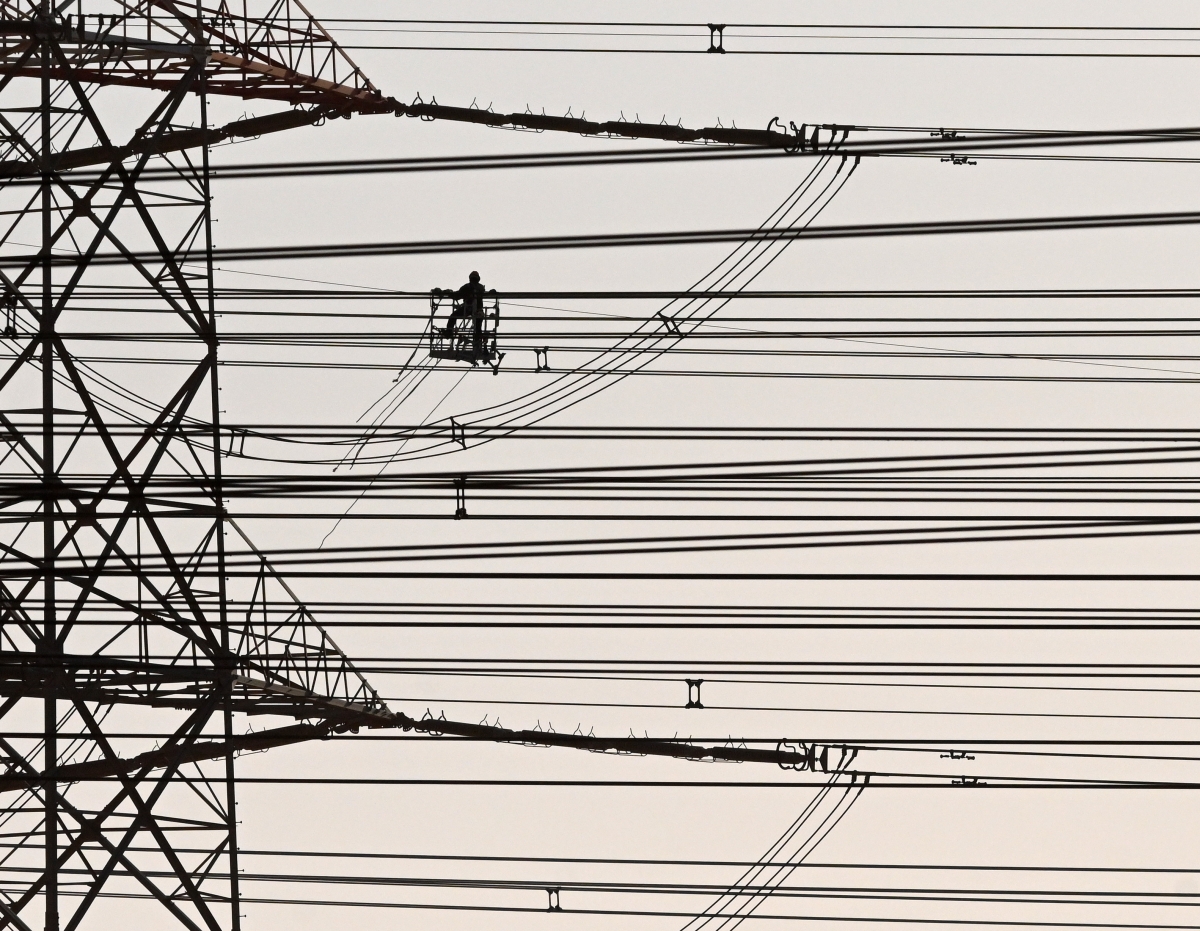
The Ministry of Electricity, Water, and Renewable Energy successfully stabilized the grid during the second heatwave by importing 1,700 megawatts from the Gulf interconnection and reducing official working hours to conserve consumption, despite loads reaching 15,800 megawatts.
Translated by Alqyas from Al-Rai — Original source
- Import of 1,700 megawatts from the Gulf Interconnection during peak hours
- Completion of most maintenance works on generation units enhanced readiness
- Reduction of working hours and conservation efforts alleviated pressure on the grid
- Calls to continue conservation during summer and avoid waste
The Ministry of Electricity, Water, and Renewable Energy successfully passed the second summer test of the power grid, with temperatures rising to between 48 and 49 degrees Celsius, and the electrical system remaining stable despite loads reaching 15,800 megawatts.
Sources close to the matter stated that the Ministry managed to cross the second heatwave the country has experienced this summer without recording any impact on grid stability, thanks to precautionary measures taken before the start of the summer season, as well as the increased readiness of the production system following the completion of most of the routine maintenance works on generation units.
The sources explained that bringing most production units into service provided greater flexibility in dealing with the rising electrical loads, noting that the decision to reduce official working hours during the summer to six hours instead of seven contributed to lowering consumption rates during peak hours.
They added that efforts to conserve electricity, along with reducing the operational capacity of some factories during peak hours, helped ease pressure on the power grid, despite loads exceeding the 15,000-megawatt threshold.
The sources pointed out that the Ministry continued to leverage the Gulf Interconnection grid to enhance local grid stability, importing approximately 1,700 megawatts during peak hours to support operational reserves and raise readiness levels to address any potential emergencies.
Sources confirmed that production and consumption indicators remained within safe limits, reflecting the power system’s ability to handle high loads during the summer season.
The Ministry urged consumers to continue conserving electricity and water, limiting usage to actual needs, to contribute to maintaining grid stability in the coming months and to avoid waste and extravagance.
