2026 World Cup... Opens Its Doors to History
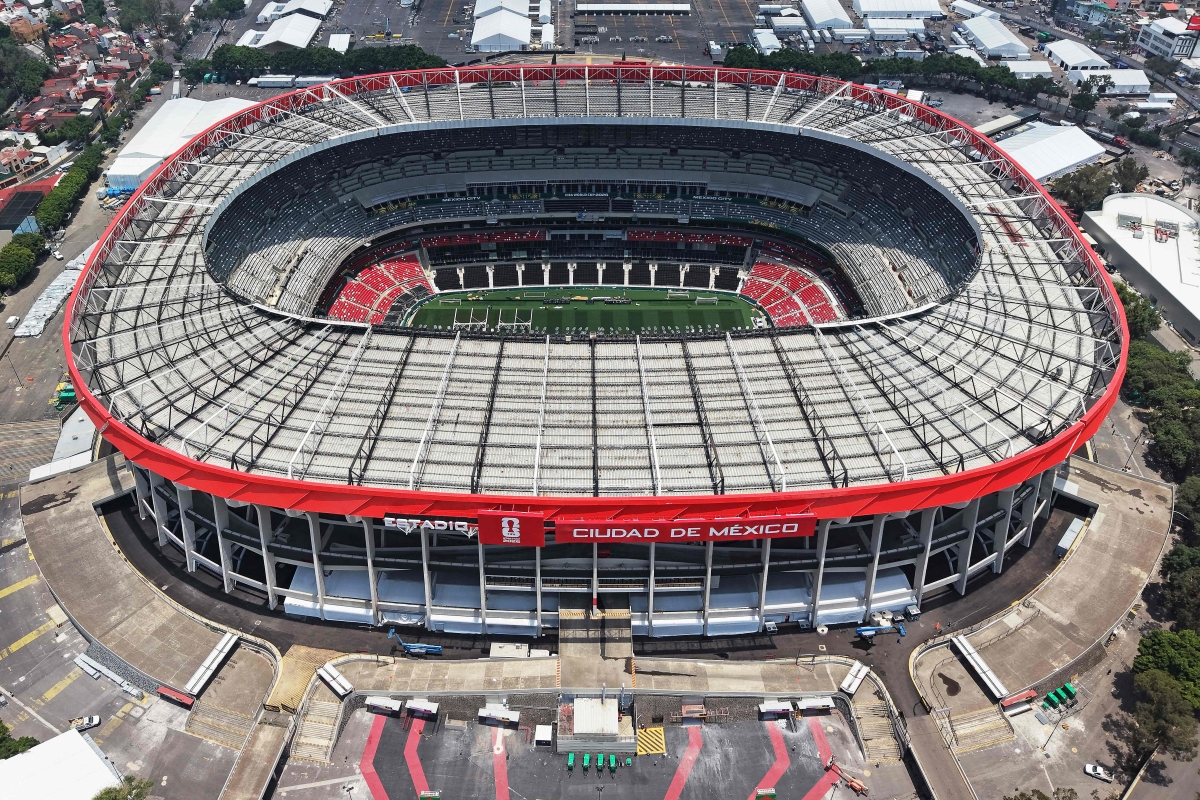
The 2026 FIFA World Cup will be hosted by three countries, featuring a record participation of 48 teams.
Translated by Alqyas from Al-Rai — Original source
Football fans eagerly anticipate the kickoff of the 2026 FIFA World Cup on Thursday at the legendary Azteca Stadium in Mexico City, marking the premier global sporting event and an exceptional edition by every measure. The World Cup will not merely be another tournament added to the record of global competitions, but a historic milestone bearing numerous variables that could reshape the contours of the game.
The United States, Canada, and Mexico are jointly hosting the finals in a first-of-its-kind occurrence in World Cup history, while Mexico makes history again as the first country to host World Cup matches in three editions, following those in 1970 and 1986.
This edition arrives on an unprecedented scale, after FIFA increased the number of participating teams to 48, up from 32, opening the door to broader participation and greater representation of various continents. The number of matches will also rise to 104, making it the largest tournament since its inception nearly a century ago.
As is customary, attention turns to the favorites competing for the title, led by Argentina, the defending champions, who seek to retain their global throne, alongside traditional powers France, Brazil, Spain, Germany, and England, which have long been accustomed to appearing in the World Cup’s final stages.
Meanwhile, fans await the emergence of rising teams seeking to write history, leveraging the new tournament format that offers greater opportunities for ambitious squads to reach the knockout stages and create upsets.
The World Cup also sees a record participation by Arab national teams, with eight countries making their debut in the event’s history: Saudi Arabia, Qatar, Iraq, Egypt, Jordan, Algeria, Tunisia, and Morocco, which reached the 2022 World Cup semi-finals in Qatar in the greatest Arab achievement in history, finishing in fourth place after a remarkable campaign.
The tournament holds special significance for several football stars, potentially witnessing the final appearances of some names who created footballing glory over the past decade, most notably the legends Lionel Messi and Cristiano Ronaldo, as a group of young talents prepares to assert themselves on the global stage and steal the spotlight in the largest footballing theater.
Throughout the weeks of the tournament, eyes will be fixed on the stars capable of making a difference, while the title of top scorer and the award for best player remain among the most prominent prizes fueling competition outside the battle for the golden trophy.
The value of the World Cup extends beyond the pitch, representing a global occasion that brings together cultures and peoples from around the world. With expectations of massive attendance and television viewership exceeding billions, North American cities are preparing to experience exceptional atmospheres that reflect the World Cup’s status as the world’s largest sporting event.
Alongside technical competition, weather stands out as one of the most significant challenges facing participating teams. The tournament’s extension across three countries and vast geographical areas means considerable differences in climatic conditions from one city to another, ranging from high temperatures and humidity in some cities to moderate or variable conditions in others.
This climatic diversity will place additional tests on coaching staff regarding the management of players’ physical exertion, recovery programs, and travel between cities. Furthermore, high temperatures in some stadiums may affect the pace of matches and increase the importance of physical readiness and the depth of the bench.
The 2026 World Cup will be the 23rd edition since the first tournament was held in Uruguay in 1930.
- With nearly 7 million tickets being offered for the matches, FIFA expects to break the all-time record of 3.5 million tickets sold during the 1994 edition in the United States.
- Sixteen stadiums, distributed across the three host countries, will host the matches—a number double that of Qatar 2022 and four more than Russia 2018.
- American Tori Penso and Mexican Katia Garcia are the only two referees selected as on-field officials for the World Cup, with a total of 52 referees chosen for the tournament.
- The lowest ticket price for a World Cup match is $60, whereas the bid document had promised tickets starting at $21.
- However, fans were forced to pay hundreds or even thousands of dollars to secure seats during the various sales phases organized by FIFA.
- The total prize money to be distributed among the 48 participating national teams amounts to $871 million, more than double the amount allocated for the 2022 World Cup. The eventual champion, with the final to be held in New York on July 19 next year, will take home $50 million.
