Nawaf Al-Saud: Kuwait Capable of Restoring 80 Percent of Oil Production Within a Month
The Deputy Chairman of the Kuwait Petroleum Corporation confirmed the state's ability to resume most oil production soon by expanding pipelines with Saudi Arabia and the UAE.
Translated by Alqyas from Al-Rai — Original source
- Discussions with Saudi Arabia and the UAE to expand pipeline systems to accommodate our exports
- Kuwait deliberately and systematically reduced its production at the start of the war
- Oil prices are not among the highest historically when adjusted for inflation
Bloomberg – Sheikh Nawaf Al-Saud Al-Sabah, Vice Chairman and CEO of the Kuwait Petroleum Corporation (KPC), said that Kuwait has the capacity to restore 80 percent of its oil production halted due to the Iran war in less than a month, while the remaining portion will take between three and four months to pump into the markets.
Al-Saud, during a dialogue session on the sidelines of the Global Energy Forum organized by the Atlantic Council and held in the US capital Washington, noted that Kuwait deliberately and systematically reduced its production levels at the start of the war to the minimum necessary to meet domestic consumption, while directing some derivatives and refined products to Gulf markets. He pointed out that buying and selling operations within the region continued, creating what can be called a "mini-economy." He added: "We are now building on this experience, aware of the new reality, and addressing challenges through a collective vision via the Gulf Cooperation Council (GCC)." Al-Saud revealed ongoing discussions with officials in Saudi Arabia and the UAE to explore ways to expand their pipeline systems to accommodate Kuwaiti oil exports.
Al-Saud noted that current oil prices are not among the highest historically when adjusted for inflation, pointing out that the market had seen much higher prices in real terms in previous periods, even if the current level appears high by nominal standards. He clarified that market stability in the current phase is largely due to temporary factors, including draws from strategic reserves in several major countries, as well as some slowdown in global demand. These tools have helped calm prices but do not represent permanent or sustainable long-term solutions.
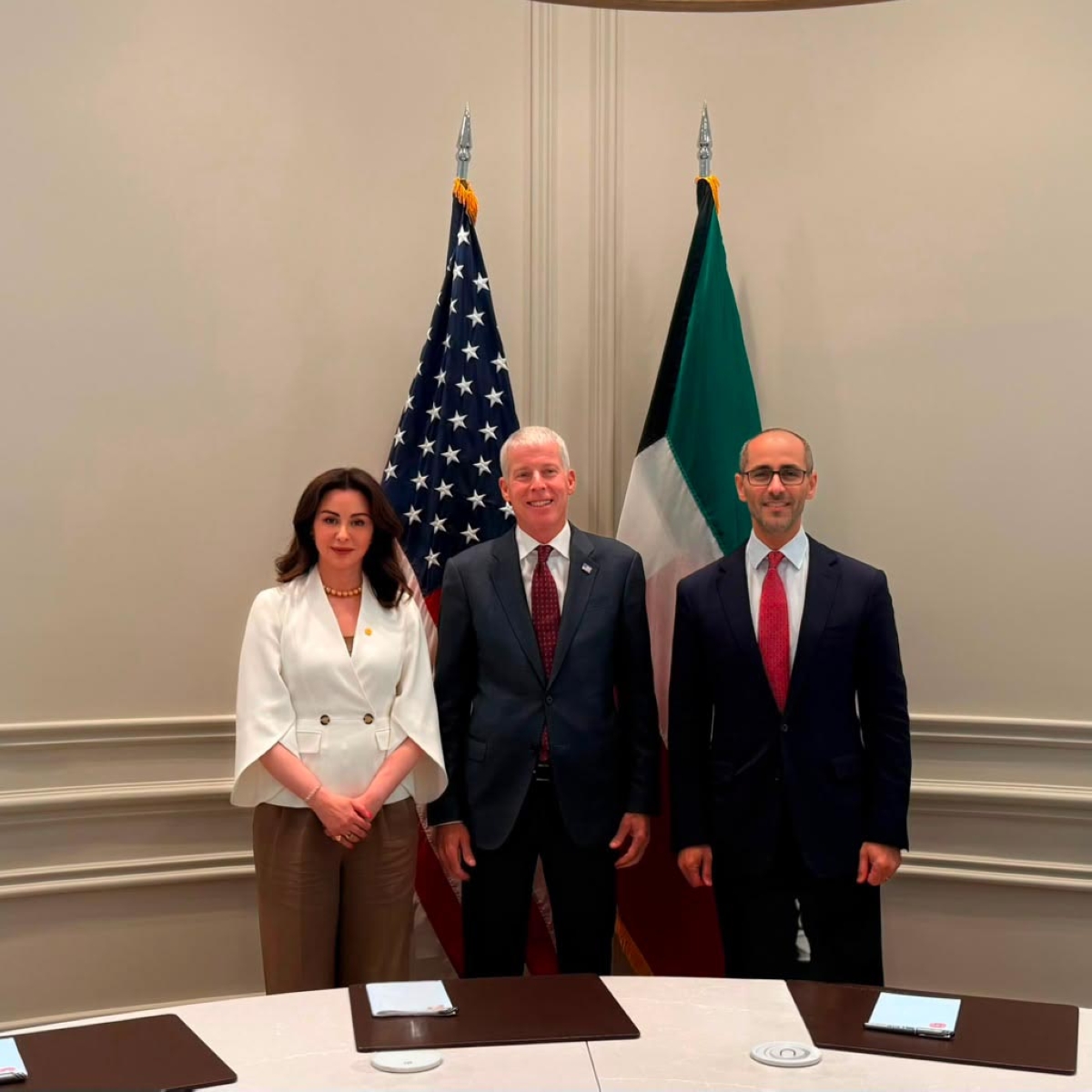
On another note, Sheikh Nawaf Al-Saud held a meeting with US Energy Secretary Chris Wright in Washington, DC, in the presence of Kuwait’s Ambassador to the United States, Sheikha Al-Zain Al-Sabah.
KPC stated in a press release that the meeting discussed ways to enhance the strategic partnership between Kuwait and the United States in the energy sector, and the vital role this partnership plays in supporting global energy market stability and ensuring supply security.
The statement added that both sides emphasized during the meeting the importance of maintaining freedom and safety of navigation in the Strait of Hormuz, as it is one of the most critical corridors for energy supply flows to global markets, given its fundamental role in strengthening global energy security and supporting international economic stability.
The statement clarified that the two sides discussed opportunities to expand cooperation in infrastructure-related investments, emphasizing the importance of developing resilient infrastructure capable of facing challenges and changes, thereby contributing to enhancing the reliability of global supply chains and reducing the risk of disruptions.
Al-Saud said: "Relations between Kuwait and the United States represent a key pillar for the stability of global energy markets, and our discussions today reflect a shared commitment to supporting the safe and reliable flow of energy to global markets through investment in advanced infrastructure that contributes to enhancing global economic growth and consolidating long-term energy security."
