Weekly Injection... Lowers Blood Sugar
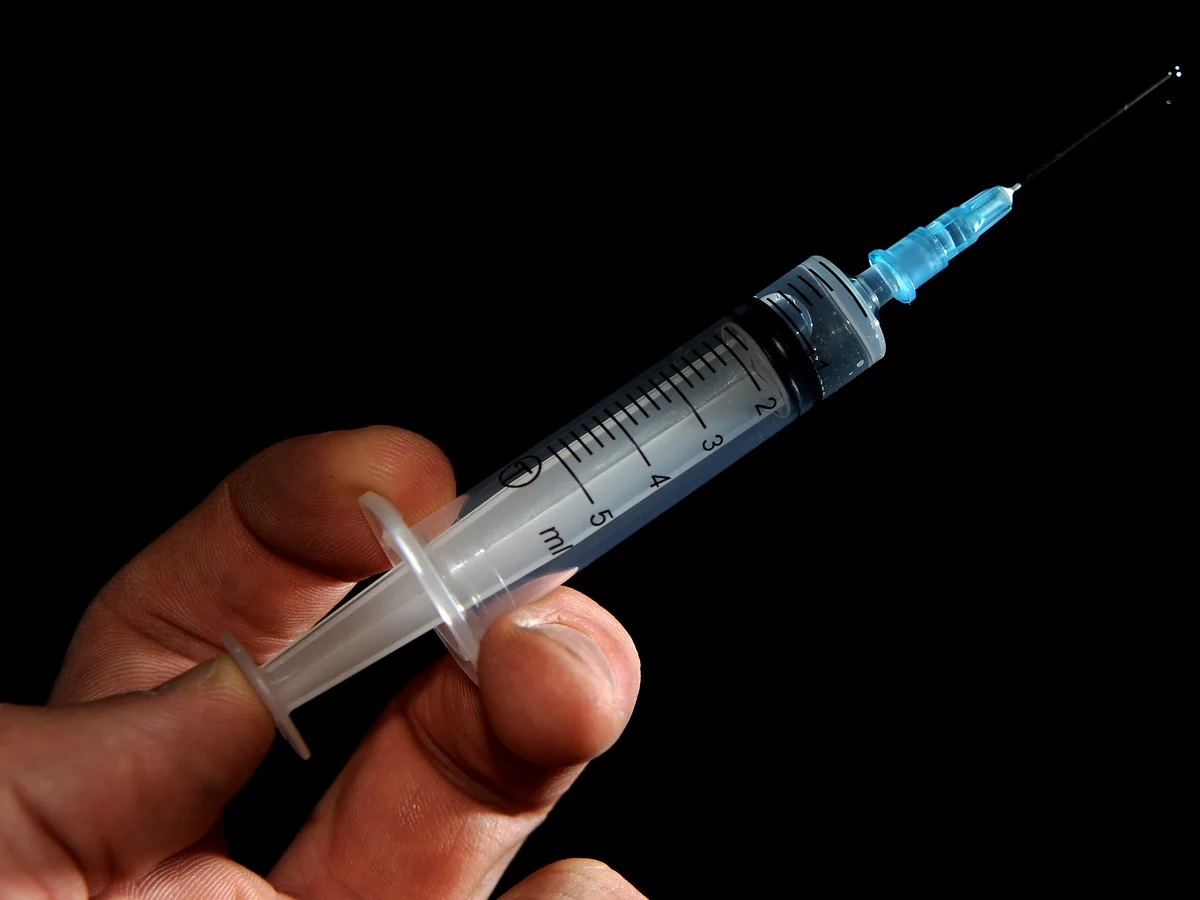
A clinical study has proven the effectiveness of a new weekly Novo Nordisk injection in lowering blood sugar and reducing weight among diabetic patients.
Translated by Alqyas from Al-Rai — Original source
In an innovation paving the way for a radical shift in treatment protocols adopted by millions of patients worldwide, the British newspaper The Guardian revealed the results of a large-scale clinical trial described as “revolutionary,” confirming that a new weekly injection for treating type 2 diabetes has proven highly effective in lowering blood sugar levels and reducing body weight simultaneously.
The study, funded by the Danish pharmaceutical giant Novo Nordisk, reported that the new drug, codenamed “CagriSema,” represents the next generation of combination therapies that integrate two complementary mechanisms of action to target the disease from two different angles.
The report clarified that the new drug is a combination of two active ingredients: semaglutide and cagrilintide. The first mimics a natural hormone in the intestine to stimulate insulin secretion and suppress appetite, while the second targets slowing down gastric emptying and enhancing the feeling of satiety.
More than 2,700 patients with type 2 diabetes, whose traditional treatments had failed, participated in the clinical trial. They were divided into groups receiving varying doses of the new drug or a placebo over a period of 68 weeks.
The final results of the trial showed a series of positive indicators that exceeded even the researchers’ expectations, including the following key findings:
- An average reduction in glycated hemoglobin (HbA1c) levels by 2.3 percentage points, a figure far surpassing what is achieved by currently available monotherapies.
- An average body weight loss of 15.6 percent of baseline weight, comparable to the outcomes of major bariatric surgeries without exposing patients to the risks of surgical intervention.
- 67 percent of patients achieved the target HbA1c level (below 7 percent) by the end of the study period.
- Significant improvements in systolic blood pressure, triglyceride levels, and low-density lipoprotein (LDL) cholesterol among the vast majority of participants.
The newspaper quoted the study’s lead researcher, Dr. Richard Pratley, emphasizing that these results represent a “quantum leap” in understanding the potential to control type 2 diabetes. He noted that combining substantial weight loss with excellent blood sugar control through a single weekly injection could fundamentally change the entire therapeutic landscape.
Pratley added that the new drug could enable a broad segment of patients to achieve “clinical remission” of the disease, which until recently was considered an unattainable dream.
Regarding side effects, the report clarified that most were mild to moderate in severity and limited to temporary gastrointestinal symptoms such as nausea, diarrhea, and constipation. These are common side effects associated with this class of drugs and tend to diminish gradually as treatment continues.
Researchers stressed that the immense therapeutic benefits far outweigh the limited risks associated with side effects, especially when considering the serious complications of uncontrolled diabetes, which include heart disease, kidney failure, amputations, and blindness.
The report concluded that the new weekly injection represents an exceptional scientific and medical achievement, heralding a new era in the management of type 2 diabetes. The goal is no longer limited to merely controlling blood sugar levels, but has expanded to include achieving substantial and sustained weight loss, potentially leading to complete clinical remission of the disease for an increasing proportion of patients.
Major global regulatory bodies, led by the U.S. Food and Drug Administration and the European Medicines Agency, are expected to begin reviewing the drug’s approval dossier during the second half of 2026, paving the way for its commercial launch.
