World Bank: Serious Consequences of Middle East Conflict for Regional Countries
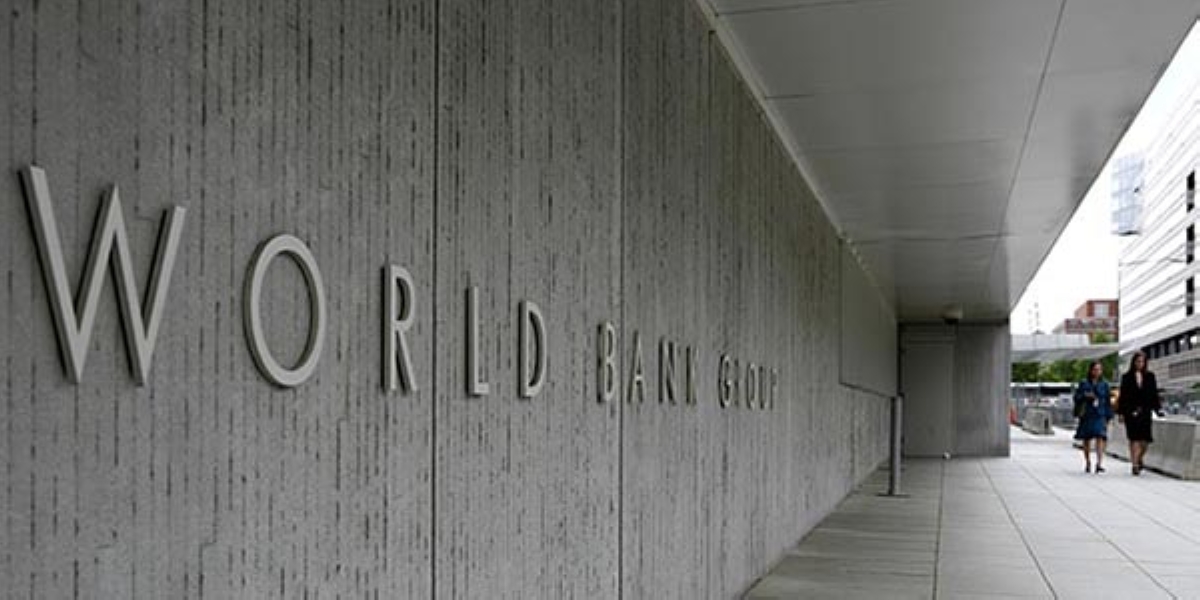
The World Bank confirmed the serious consequences of the Middle East conflict on regional economies, particularly the Gulf, Afghanistan, and Pakistan.
Translated by Alqyas from Al-Rai — Original source
The World Bank confirmed on Wednesday that the conflict in the Middle East has “severe repercussions” on countries in the region, particularly Gulf states, North Africa, Afghanistan, and Pakistan.
In a statement, the World Bank said there are “severe repercussions of the conflict on the economies of the Middle East and North Africa, Afghanistan, and Pakistan,” adding that “the conflict underscores the need to work on enhancing resilience and creating jobs.”
It clarified that “the recent conflict in the Middle East has caused severe and immediate economic losses to countries in the region,” noting that “the closure of the Strait of Hormuz and the destruction of energy infrastructure and public facilities have disrupted markets, increased financial volatility, and weakened growth prospects for 2026.”
It added that “this conflict represents an additional shock to a region already suffering from weak productivity growth, declining private sector dynamism, and persistent labor market challenges, highlighting the urgent need to strengthen governance and macroeconomic fundamentals and to take serious steps to support the creation of sustainable jobs and increase long-term resilience.”
It pointed out that “growth in the region as a whole is expected to slow from 4.0 percent in 2025 to 1.8 percent in 2026, which is 2.4 percentage points lower than the World Bank Group’s January forecasts.”
It continued that “this decline is concentrated in the economies of the Gulf Cooperation Council (GCC) countries and Iraq, which have been severely affected by the conflict,” explaining that “growth forecasts for GCC countries have been revised down by 3.1 percentage points since January, and growth is expected to fall from 4.4 percent in 2025 to 1.3 percent in 2026.”
It emphasized that “risks to the outlook lean strongly to the downside, and if the conflict persists for an extended period, the current impacts on the region will worsen due to higher energy and food prices, declining trade and tourism flows, reduced remittances, and increased fiscal pressures.”
