Responsible media... a safety valve and shield of reassurance
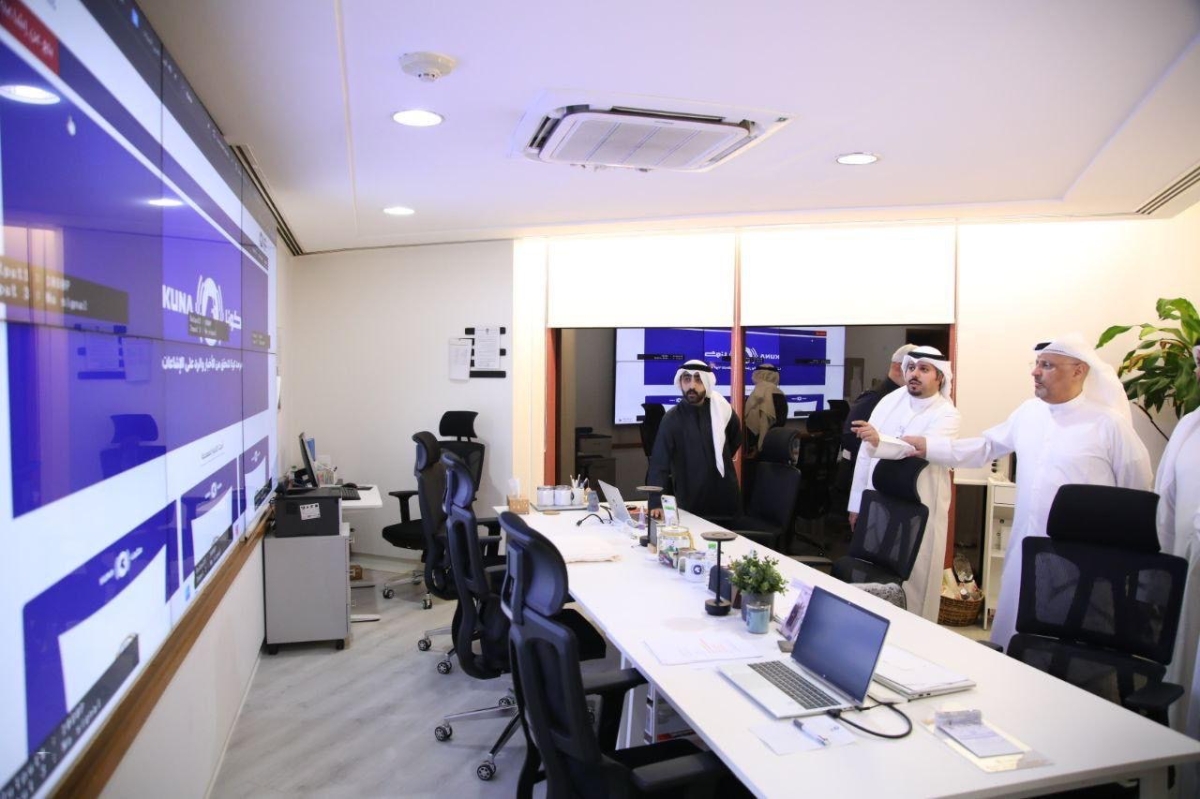
Responsible media enhances reassurance and prevents the spread of rumors.
Translated by Alqyas from Al-Rai — Original source
- Mohammed Al-Arrad: He demonstrated his loyalty by refraining from spreading rumors and adhering to regulations with a sense of patriotism and professionalism in defending the nation.
- He committed to conveying accurate information and enhancing reassurance by communicating with relevant institutions.
- Bashaer Al-Sanaa: He balances the public’s right to know with the need to maintain stability, presenting facts without exaggeration.
- He curbs the spread of rumors and provides society with a clear picture that aids understanding and informed decision-making.
During crises, the importance of words multiplies, and the role of media transcends mere news reporting to encompass shaping awareness and consolidating social stability. Responsible media does not merely prioritize speed of publication; it balances journalistic precedence with accuracy, ensuring the delivery of reliable information that enhances reassurance and limits rumors, especially when the audience is in dire need of a trustworthy source.
Conveying accurate information is one of the most critical roles of professional, responsible media, as it helps clarify the true nature of events and prevents their distortion or amplification. When media outlets rely on official and credible sources and verify news before publication, they directly contribute to building trust bridges with the public, positively impacting psychological and social stability. Furthermore, using calm and measured language in coverage, while avoiding sensationalism or exaggeration, reinforces a sense of security and reduces public anxiety.
In light of this role, it is evident that responsible media is a fundamental partner in crisis management, not just a conduit for it. Its commitment to professionalism enables it to allay fears and strengthen social cohesion, whereas its absence or deviation can yield adverse results that exacerbate tension and anxiety.
Responsibility remains shared among media institutions, their staff, and official authorities in fostering a conscious media culture grounded in honesty and accuracy. Media is not merely a mirror of reality but a tool for shaping it. Between professionalism and chaos, the contours of societal awareness and stability are defined.
In this context, Dr. Bashaer Al-Sanaa, Professor of Communication and Digital Media at Kuwait University, told "Al-Rai" that "responsible media plays a pivotal role during crises and wars by providing accurate and up-to-date information based on official and credible sources, which limits the spread of rumors and gives society a clear picture that aids understanding and informed action."
Al-Sanaa added that "responsible media also balances the public’s right to know with the necessity of maintaining stability, presenting facts without exaggeration or sensationalism, and offering practical guidance that enhances feelings of safety and trust, thereby becoming a calming and regulating factor that supports social cohesion rather than confusing it."
Conversely, she pointed out that "unprofessional media poses a real threat to social stability, as it leads to the dissemination of inaccurate or unverified information and amplifies events in a manner that incites panic. This creates a state of collective anxiety and loss of trust in media sources. Such media confuses individuals and pushes them to make decisions based on fear rather than facts, potentially contributing to the breakdown of social cohesion and increased tension, thus becoming a factor that fuels the crisis rather than helping to contain it."
Al-Sanaa clarified that "studies show that false information spreads faster and reaches a larger number of people compared to correct information, with its reach reaching up to six times greater in some cases."
For his part, Mohammed Zafir Al-Arrada, Secretary-General of the Electronic Media Union, told Al-Rai that “Kuwaiti media, across both its public and private sectors, has proven itself to be responsible and committed to all the regulations and laws governing the country. It has also demonstrated its loyalty and allegiance to this nation, reinforcing the firm principle that media derives its information from official sources and authorities.”
Al-Arrada added, “The media has also demonstrated its loyalty by refraining from broadcasting rumors, and has shown its overall commitment to media regulations and laws. We commend all print, television, and electronic media outlets for their efforts and national spirit, which they have continued with professionalism in defending the country.” He emphasized the role of the Electronic Media Union, stating, “Since the beginning of the crisis on February 28 last year and the start of the despicable Iranian aggression, we, as the Electronic Media Union, have been working in cooperation with all institutions. Through official communication, we strive to clarify all matters and convey them to the public smoothly and as quickly as possible.”
He continued, “We also strive to counter all rumors, which is our duty as the Electronic Media Union, in addition to the awareness campaigns we conduct on social media platforms.” He noted that “today, the media has proven its commitment to conveying accurate information and enhancing social reassurance by communicating with all relevant institutions, associations, and unions to deliver the message in its precise and clear form.”
He praised the government’s role, both military and civilian, through direct and continuous clarification. “In Kuwait, the proportion of unprofessional media is minimal. The risks are concentrated in fake accounts operated from outside the country, which sometimes incite the public and cause anxiety. However, we have full confidence in the Kuwaiti people as a conscious and aware nation.”
Amidst these events, the importance of adhering to media ethics—based on accuracy, objectivity, and national responsibility—stands out. A professional journalist understands that their mission is inseparable from the community’s interest, and that conveying the truth must be free from personal biases or the pursuit of viewership at the expense of credibility. Media institutions are also called upon to strengthen internal oversight and train their staff to handle crises according to high professional standards.
The Ministry of Media plays a pivotal role in regulating the media landscape and ensuring compliance with professional standards. During the current crisis, it intensified its media presence through official channels, providing accurate information promptly to help curb rumors. It also maintained continuous coordination with various government entities to unify media messages and present a clear narrative that reflects the reality of the situation without exaggeration or minimization.
The Ministry’s role extended beyond merely reporting news; it also guided media outlets toward professionalism by issuing warnings and directives emphasizing the necessity of accuracy and prohibiting the publication of unverified information. It supported awareness efforts through programs and news bulletins that focused on reassuring the public and providing necessary guidance on how to deal with the crisis developments.
As events unfolded, the role of official channels and reporter networks became prominent in professionally conveying the on-the-ground situation. Coverage highlighted the state’s efforts in managing the crisis and showcased the readiness of various institutions, thereby enhancing trust among citizens and residents. These reports contributed to fostering social awareness based on a correct understanding of events, free from rumors and speculation.
Unprofessional media poses a genuine threat, given the widespread reach of social media and the ease with which information is disseminated without verification. Rushing to publish unconfirmed news or relying on anonymous sources can mislead public opinion and spread fear among people. Moreover, exaggerating events or removing them from their true context contributes to heightened anxiety, creating a state of confusion that may undermine social cohesion and even hinder official authorities’ efforts to manage the crisis.
