Our Elders... at the Core of Priorities During Crises
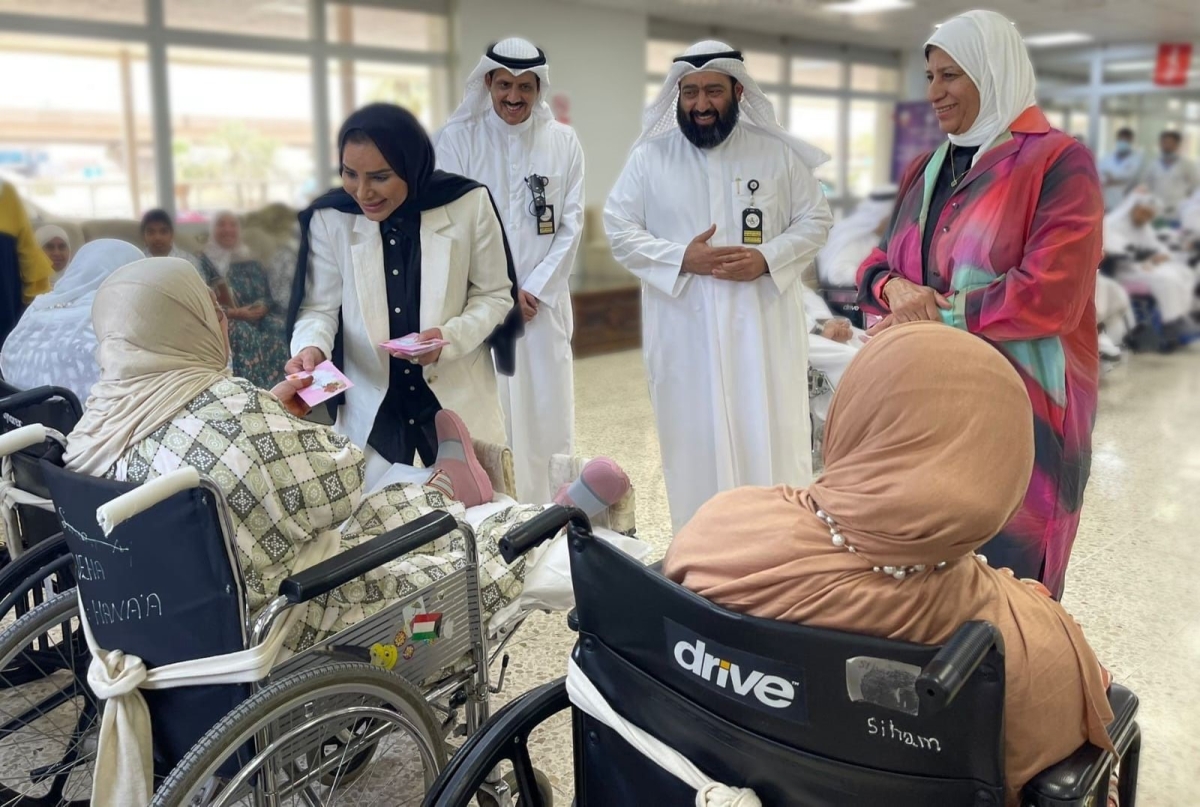
The State of Kuwait pays great attention to the elderly category, especially during crises, through comprehensive health and psychological care and emergency plans.
Translated by Alqyas from Al-Rai — Original source
- Amani Al-Tabtabaei: Advance planning ensures their protection during crises
- 147,000 elderly people in Kuwait are aged 65 and above
- Ibrahim Al-Baghlai: Their care requires a comprehensive approach that combines psychological support with the provision of basic needs
- Involving them in life decisions and listening to them attentively enhances their sense of security
The State of Kuwait attaches great importance to the elderly category, in line with its established humanitarian approach that places human beings at the core of its priorities, especially during crises and exceptional circumstances. Government entities, headed by the Ministry of Social Affairs and the Ministry of Health, along with other government bodies, have been keen on developing an integrated system that ensures the provision of health, social, and psychological care for the elderly, while enhancing service readiness to confront any emergency.
In times of crisis, the need for caring for this most vulnerable group intensifies. Emphasis is placed on providing continuous medical care through field teams and home services that ensure uninterrupted follow-up of health conditions. Medicines and medical supplies are regularly secured, alongside dedicated hotline numbers to receive reports and inquiries, contributing to rapid response to emergency cases.
Efforts are not limited to the health sector alone; they extend to psychological and social support. Specialists work on providing psychological counseling to the elderly, helping them overcome feelings of anxiety and fear that crises may impose.
Families also play a pivotal role in this regard by providing a safe and supportive environment, enhancing continuous communication with them, which contributes to boosting their morale and mitigating the effects of isolation.
Relevant authorities are keen on raising public awareness about proper mechanisms for dealing with the elderly during emergencies, such as how to conduct safe evacuations, provide basic needs, and ensure they are not exposed to additional risks. Volunteers are also engaged in providing logistical support, reflecting the spirit of social solidarity that characterizes Kuwaiti society. These collective efforts present a comprehensive image of a humanitarian approach that places the elderly at the forefront of priorities.
It was clarified that the number of elderly people in Kuwait has exceeded 147,000 individuals aged 65 and above, representing a percentage ranging between 3% and 5% of the total population, with expectations of an increase in the future. She noted that the majority of this group suffers from chronic diseases, making any interruption in treatment a direct threat to them. She stressed the importance of enhancing home care, proactively providing medicines, and linking health and social services to ensure comprehensive protection.
Regarding psychological challenges, Al-Tabtabaei pointed out that the elderly are more susceptible to isolation and anxiety during crises. She highlighted that the rising life expectancy in Kuwait, reaching approximately 81 years, requires continuous psychological support, especially given the behavioral disturbances they may face due to fear and pressure.
She emphasized that the family represents the first line of defense in protecting the elderly, through establishing clear plans for handling emergencies, including designating a person responsible for the elderly person’s care, outlining transfer mechanisms, and providing their needs. She stressed the necessity of activating the role of society, including neighbors, volunteer teams, and cooperative societies, to ensure rapid response and minimize risks.
For his part, Ibrahim Taher Al-Baghlai, Chairman of the Board of Directors of the Kuwaiti Charity Association for the Care and Rehabilitation of the Elderly, confirmed that responding to the appeal from the Ministry of Social Affairs was carried out in collaboration with the Kuwaiti Union of Charitable Societies and Orphanages, in support of the National Charity Platform and to back government efforts, amid the current circumstances facing the State of Kuwait, driven by national and social responsibility toward the elderly.
Al-Baghlai explained that caring for the elderly during crises and wars requires a comprehensive approach that combines psychological support with providing basic needs, alongside maintaining continuous communication to mitigate isolation. He highlighted the importance of ensuring access to medications, guaranteeing proper nutrition, and creating a safe environment, while preserving a daily routine that offers them stability and reassurance. He also emphasized the necessity of involving them in life decisions and listening to them attentively, thereby enhancing their sense of security and independence.
Al-Baghlai pointed out that psychological support is a fundamental pillar, achieved through constant communication, regular visits, and listening to their experiences and valuing their opinions. He stressed the importance of avoiding the transmission of fear and panic, and fostering a positive environment that helps them adapt to exceptional circumstances. He also noted the significance of enabling them to use technology to stay in touch with their families, which contributes to reducing feelings of isolation.
Al-Tabtabai presented a package of practical recommendations, the most prominent of which include preparing an emergency file for each elderly person containing their health data, assembling a basic needs kit, and designating a direct caregiver. She also recommended training families on safe evacuation, enhancing continuous communication to prevent isolation, and ensuring that the elderly are neither cut off from information nor overwhelmed by it, but rather given the amount that reassures them. Furthermore, she called for coordinating efforts among health, social, and civil society sectors, and prioritizing the elderly in national emergency plans.
Al-Baghlai stressed the importance of preparing clear emergency plans, equipping special bags with medications and basic necessities, and assigning a responsible person to care for each elderly individual during evacuation. He also urged training families on handling emergency situations, enhancing the role of volunteer teams, providing safe transportation, and maintaining continuous contact with the elderly to ensure they are not isolated.
He also drew attention to the role of government authorities, which involves implementing emergency plans within care homes, securing basic needs, monitoring service quality, and enacting legislation that safeguards the rights of the elderly, in integration with the efforts of humanitarian and volunteer institutions.
