Trump Considers Wider Cabinet Reshuffle Amid Growing Pressures Over Iran War
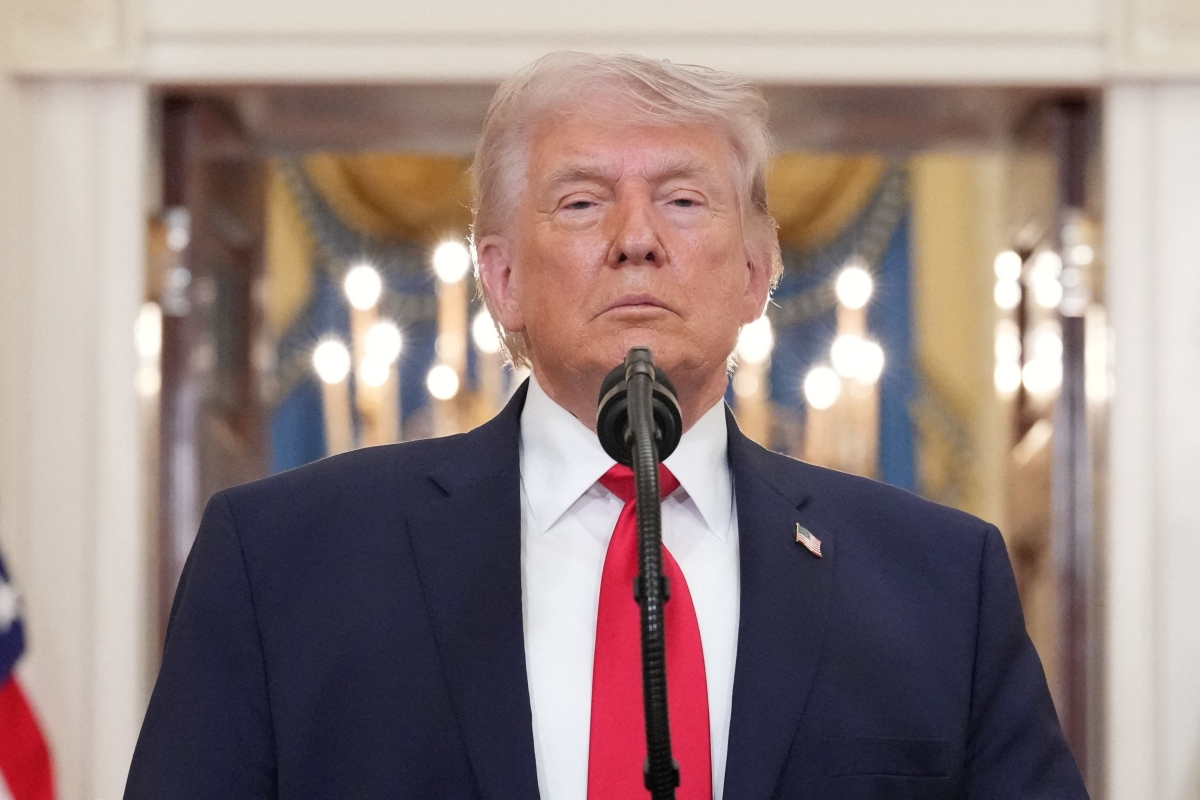
A cabinet reshuffle is being considered due to the Iran war and political pressures.
Translated by Alqyas from Al-Rai — Original source
- Sources: Possibility of dismissing several cabinet members ahead of the midterm elections
- Trump expressed interest in replacing the Director of National Intelligence... and some allies want the Commerce Secretary to step down
Five sources familiar with internal discussions at the White House said U.S. President Donald Trump is considering a broader cabinet reshuffle following the dismissal of Attorney General Pam Bondi last week, as his frustration grows over the political fallout from the war with Iran.
Any potential reshuffle could represent a reset for the White House as it faces a prolonged political challenge: the five-week-long war has led to rising gas prices and declining popularity for Trump, along with increased concern about the consequences for Republicans as the midterm elections in November approach.
Some allies viewed the U.S. President’s address to the nation, which a senior White House official described as an attempt to convey a sense of control and confidence regarding the war’s trajectory, as frustrating, further fueling the perception that changes in messaging or personnel were necessary.
Three White House officials and two other sources familiar with the administration’s moves spoke to Reuters on condition of anonymity to discuss sensitive matters involving individuals.
The sources did not specify which cabinet members would certainly lose their positions in the near future, but indicated that several officials face some degree of risk.
Several sources said that Director of National Intelligence Tulsi Gabbard and Commerce Secretary Howard Lutnick were among those potentially on the dismissal list, following Trump’s removal of Bondi and Homeland Security Secretary Kristi Noem in recent weeks.
A senior White House official stated that Trump had expressed displeasure with Gabbard over the past few months. Another source directly involved said that Trump had sought his allies’ opinions on potential replacements for the Director of National Intelligence.
Meanwhile, some of Trump’s top allies have privately pushed for Lutnick’s dismissal. Lutnick, a close personal friend of the president, has faced renewed scrutiny in recent months due to his relationship with the late convicted sex offender Jeffrey Epstein.
Newly released documents earlier this year revealed that Lutnick had lunch with Epstein on his private Caribbean island in 2012. Lutnick stated that he had “barely any relationship” with Epstein and that the lunch occurred only because he was on a boat near the island.
In an email responding to a request for comment, Engle wrote, “The President has assembled the most talented and impactful administration in history, and together they have achieved historic victories on behalf of the American people, from Director Gabbard’s role in ending the regime of (Venezuelan President Nicolas) Maduro, a terrorist involved in drug trafficking, to Secretary Lutnick’s role in securing major trade and investment agreements.”
A spokesperson for Gabbard’s office referred Reuters to a Thursday post from the White House on X, which quoted White House Communications Director Steve Chong as saying that Trump has “full confidence” in Gabbard.
Nevertheless, Trump may ultimately decide against making changes to senior positions in his administration. Several of his close associates said he is hesitant to make multiple changes to his cabinet, as frequent personnel shifts during his first term dominated headlines and created an impression of chaos at the White House.
However, a White House official confirmed that following the disappointing speech on the night of Wednesday into Thursday, refraining from making adjustments could carry political risks just as significant as implementing major changes, and whether for better or worse, it would dominate the news headlines.
The official explained that Trump worked with his speechwriting team and top advisors on last week’s address after his aides had urged him for weeks to speak directly to the nation regarding the United States’ role in Iran.
During his speech, the U.S. president refrained from presenting a clear plan to end the war that began on February 28, leaving the impression that the conflict is endless. Rather than offering solutions to alleviate voters’ economic concerns, he stated that the suffering would be short-term, blaming Tehran.
The official continued, “The speech did not achieve what it was supposed to achieve,” adding that while Trump’s supporters, particularly the base, continue to back him in the war, they are generally feeling the pressure of economic hardships.
He said, “Voters may tolerate ideological messaging, but they immediately feel the impact of fuel prices.”
A recent Reuters/Ipsos poll showed that only 36 percent of Americans are satisfied with Trump’s overall performance, marking the lowest approval rating during his current presidency. The war with Iran lacks broad support, with 60 percent of poll respondents expressing opposition to the U.S. and Israel’s decision to initiate the conflict.
Two White House officials stated that Trump is extremely angry over what he perceives as unfair media coverage of the war, and he made his desire for more positive news reports clear to his team. However, he showed no interest in altering his media strategy.
Despite these pressures, many government members have demonstrated notable resilience in the face of negative media reports or by provoking White House displeasure through their actions.
For example, some external allies have pushed for the dismissal of Lutnick since April of last year, when he proposed imposing a series of tariffs on countries worldwide, a move that bewildered allies and experts during what was dubbed “Liberation Day.”
Gabbard, one of the strongest critics of foreign military interventions, angered the White House last June when she posted a video criticizing the “warmongering political elite” in the period preceding Trump’s first military action against Iran.
Nevertheless, sources reported that the likelihood of significant changes has increased markedly in recent weeks. A senior White House source said that Trump wants to implement any major changes now, well before the midterm elections.
Another White House official announced, “It can be said, based on what I’ve heard, that Bondi is not the last.”
