"Al-Watani": "Hormuz" Keeps Global Inflation... Above Target
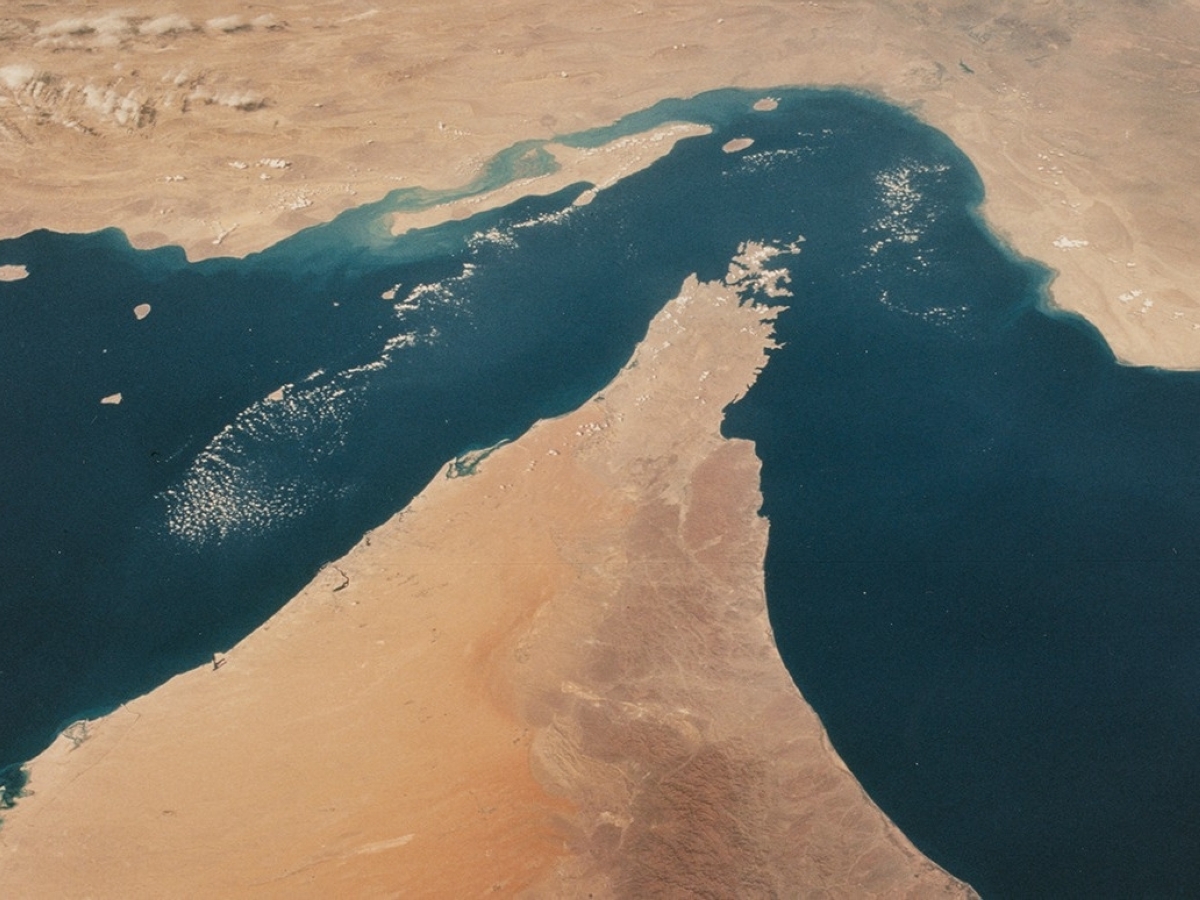
Reports indicate that inflation remains above target due to the impact of the war in Iran on oil prices.
Translated by Alqyas from Al-Rai — Original source
A report by National Bank of Kuwait indicated that financial markets remained volatile during the past week, amid escalating geopolitical tensions in the Middle East. This pushed the price of Brent crude oil back toward the $110 per barrel level, reigniting inflation concerns and reshaping global monetary policy expectations.
The report highlighted the US Federal Reserve’s decision last Wednesday to keep benchmark interest rates unchanged in the 3.5%–3.75% range, as policymakers balanced rising inflationary pressures, mixed labor market indicators, and uncertainty linked to the recent conflict with Iran.
Although the bank slightly raised its growth and inflation forecasts for 2026, it noted that two rate cuts remain likely over the next two years, though the timing of these reductions remains undecided. Officials acknowledged that the fallout from the war and its impact on oil prices via the Strait of Hormuz represent an uncertain risk to the economy, potentially keeping inflation above the Fed’s 2% target.
Federal Reserve Chair Jerome Powell stated that it is “too early” to assess the full impact of the war, noting that oil-driven inflation expectations have risen recently. Following the announcement, financial markets declined as investor anxiety grew over persistent inflationary pressures. Markets repriced their expectations, now indicating a maximum of one rate cut in 2026.
The report noted that the US Producer Price Index (PPI) hit its highest level in a year, signaling that price pressures were already high before the recent Middle East conflict. The PPI rose 0.7% month-over-month, surpassing expectations, and 3.4% year-over-year. The core inflation rate, which excludes food and energy costs, also came in higher than expected, registering 0.5% month-over-month and 3.9% year-over-year. The increase was primarily driven by rising service costs, including financial portfolio management fees and securities brokerage services, raising concerns among Federal Reserve officials who had previously focused on tariffs as the main inflation driver. Goods prices also saw a notable increase, rising 1.1% month-over-month. These stronger-than-expected figures have reignited fears about the persistence of inflationary pressures, especially as the war continues to drive up energy prices and disrupt global shipping operations.
The report stated that the number of Americans filing new claims for unemployment benefits fell by more than expected, dropping by 8,000 to 205,000, marking the lowest level since January. This reading surprised forecasts that had anticipated a slight increase. The data reinforced estimates that the US labor market remains resilient, with layoff rates staying at very low levels despite a noticeable slowdown in hiring. The number of people receiving unemployment benefits also rose only marginally, remaining near recent lows.
These indicators reflect divergent labor market dynamics, showing lower job separation rates alongside weaker job creation, consistent with weaker employment data recorded earlier in the year. The four-week moving average, which smooths out weekly fluctuations, also fell to its lowest level since January.
Following the decision to hold interest rates steady, Powell noted that the unemployment rate remains stable, although the slowdown in job creation is a concern, emphasizing that the Federal Reserve needs to see further progress on the inflation trajectory before considering a rate cut.
The Bank of England kept interest rates at 3.75%, assessing the potential inflationary impacts of the war in the Middle East, which have already been reflected in rising fuel prices, with expectations of higher energy bills for households. Although some policymakers indicated the possibility of needing to raise interest rates, the Bank remains cautious regarding the slowdown in economic activity. Governor Andrew Bailey affirmed that the Bank’s primary priority remains bringing inflation back to its 2% target, regardless of global developments.
The European Central Bank kept its key interest rate unchanged, amid rising uncertainty regarding the trajectory of inflation and economic growth following the outbreak of war in Iran.
The conflict is expected to drive up energy costs, potentially pushing inflation higher in the short term, while creating extended risks for economic growth prospects. The deposit rate remained at 2%, a level maintained by the Bank since June 2025, with the Bank emphasizing the elevated levels of uncertainty stemming from the conflict and its potential impacts on inflation and the economy as a whole.
Conversely, inflation in the Eurozone fell noticeably to 1.9%, approaching the 2% target.
The Swiss National Bank kept its key interest rates unchanged at 0%, continuing to apply charges on large bank deposits. Amid rising uncertainty linked to tensions in the Middle East, the Bank indicated its growing readiness to intervene in currency markets to curb the strength of the Swiss franc and prevent its negative impact on price stability.
The Swiss economy achieved moderate growth in the fourth quarter, with forecasts expecting growth of approximately 1% in 2026, though these expectations remain heavily contingent on global economic developments.
The Bank of Japan kept its key interest rate unchanged at 0.75%, continuing a policy stance that leans toward tightening, while warning that a sharp rise in oil prices could fuel inflationary pressures.
Governor Kazuo Ueda clarified that the Bank’s focus has shifted more toward inflation risks compared to economic growth slowdown risks, keeping the possibility of a near-term rate hike on the table.
The Bank pointed to continued volatility in global markets, anticipating that rising energy costs will push consumer prices higher further. Although Ueda did not specify a precise timeline, he hinted that the April economic forecast review would be a key milestone, with a rate hike possible if inflationary pressures exceed expectations.
The Reserve Bank of Australia raised interest rates by 25 basis points to 4.1% in March 2026, following a similar increase in February, in line with market expectations. The decision was split, reflecting renewed inflationary pressures supported by a resilient labor market and tightening production capacity constraints. Although some inflation drivers are considered temporary, the Bank stressed the persistence of upside inflation risks, including those related to geopolitical tensions in the Middle East, suggesting inflation is likely to remain above target for longer.
