Tracking 'Traps'... Appear After Stopping Weight Loss Medications
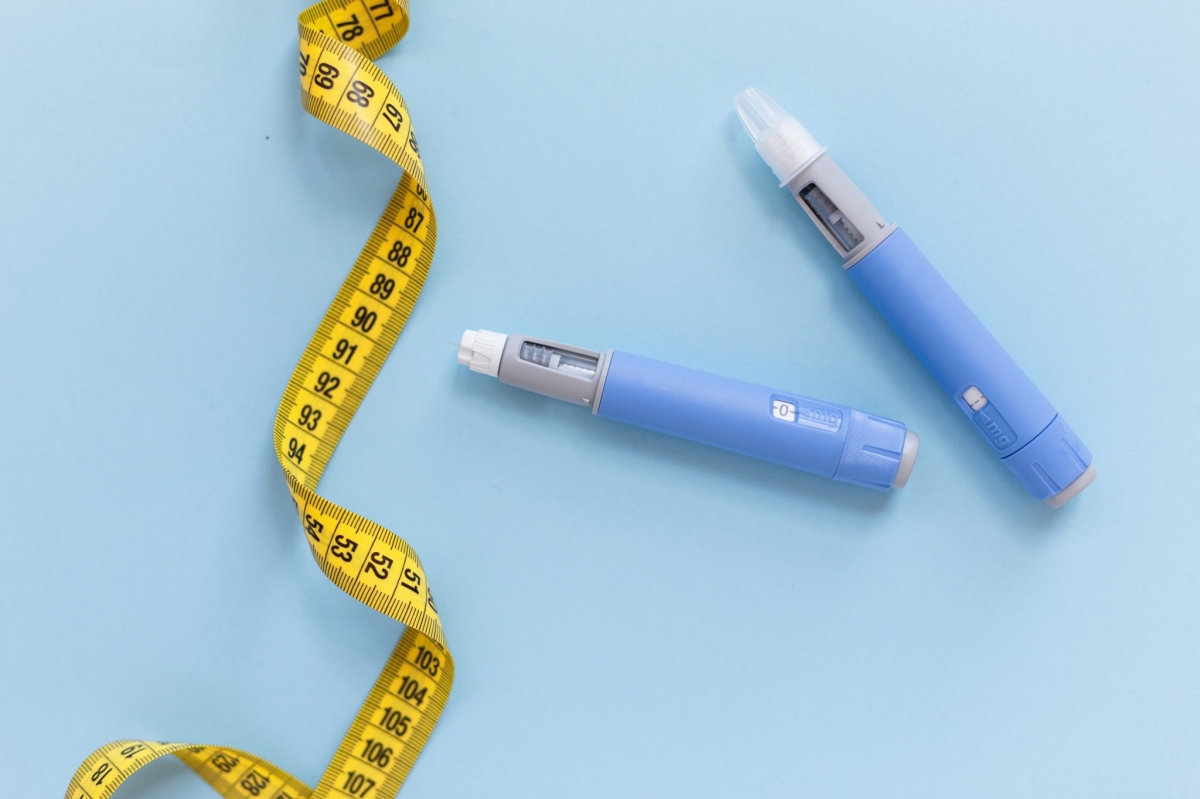
Patients face rapid weight regain after stopping weight loss drugs, along with noticeable loss of muscle mass
Translated by Qiyas from الراي — Original source
Some drugs and medications dominate the forefront of modern solutions for weight loss and combating morbid obesity; however, a hidden medical pitfall has recently begun to raise concerns among the scientific community, as revealed by a recent study conducted by a research team at the University of Cambridge in the United Kingdom.
In-depth analyses showed that individuals who stop taking these medications face a serious challenge: regaining weight at an alarming rate. The major shock lies in the nature of the regained weight and its impact on the body’s muscle composition.
Medical researcher Brian Bodey, a co-author of the study, noted that this class of drugs, which includes semaglutide and tirzepatide, acts as a powerful brake on appetite by mimicking a natural hormone called glucagon-like peptide-1 (GLP-1).
This hormone helps regulate blood sugar levels and reduce the desire to eat, leading to remarkable weight loss results, with some patients losing more than 20 percent of their total body mass.
However, the meta-analysis, which included six randomized clinical trials involving more than 3,200 participants, revealed a concerning trajectory after treatment cessation. Patients regained approximately 60 percent of the weight they had lost within just one year of stopping the medication.
Compounding the problem are estimates indicating that between 40 and 60 percent of the weight lost during treatment may have been lean muscle mass. This significant loss could leave individuals in a worse health condition than before starting treatment if the regained weight consists solely of fat.
These findings are particularly significant given that over a billion people worldwide suffer from obesity. Moreover, nearly half of patients discontinue these injections within the first year due to gastrointestinal side effects or high financial costs. In this context, the key points emphasized by the study can be summarized as follows:
• The rapid resumption of weight gain once the hormonal “brakes” on appetite are removed, leading to a gradual return of lost kilograms that peaks approximately one year after discontinuation.
• Uncertainty regarding the fate of lost muscle mass, as studies have not yet confirmed whether the body can replenish muscle at the same rate it regains fat, posing a threat to metabolic processes.
• The urgent need to adopt a comprehensive approach combining medication with lifestyle changes to ensure sustained results and avoid weight fluctuations that harm cardiovascular health.
• The inadequacy of current data in tracking patients over very long periods, necessitating more precise research to understand the deep physiological effects on the hypothalamus and hormonal functions after the drug’s effects wear off.
Finally, experts emphasize that these drugs are not a permanent magic solution but rather a tool that must be managed with extreme caution to avoid falling into the deadly “yo-yo” weight cycle. Preserving muscle mass is particularly crucial, as it serves as the cornerstone of healthy aging and sustained physical activity.
