Financial Times: US Oil Companies Poised to Gain $63 Billion from War
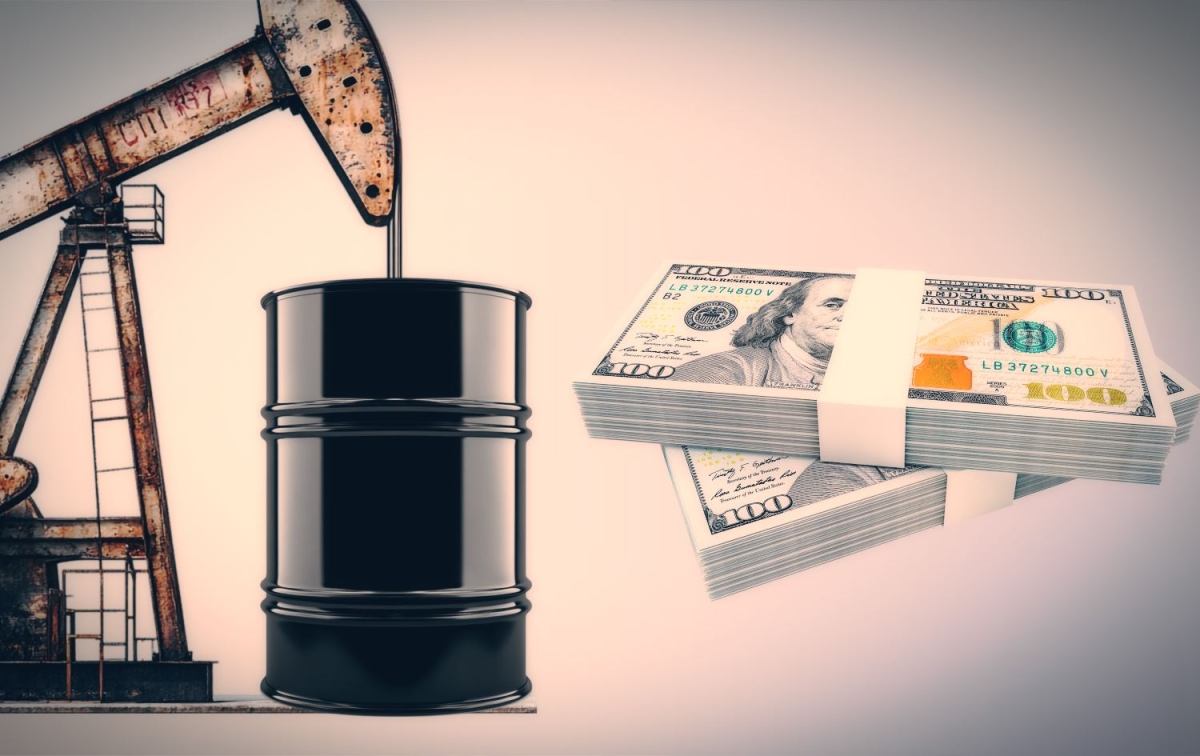
Rising oil prices boost profits of US oil companies.
Translated by Alqyas from Al-Rai — Original source
U.S. oil companies are expected to realize additional profits of approximately $63 billion this year, provided oil prices maintain the levels reached since the outbreak of the Iran war.
A report by the Financial Times stated that U.S. producers will generate an additional $5 billion in cash flows this month, following a roughly 47% rise in oil prices since the war began.
The Financial Times projected that if U.S. oil prices remain high and average $100 per barrel this year, companies will gain an additional $63.4 billion from oil production.
The Financial Times added that U.S. shale oil companies are expected to benefit from these additional cash flows due to their limited operations in the Middle East. However, the picture appears more complex for major international oil companies, particularly as ExxonMobil and Chevron, along with their European rivals BP, Shell, and TotalEnergies, hold extensive assets in the Gulf region, making them more vulnerable to the repercussions of a closure of the Strait of Hormuz.
The Financial Times noted that major companies have recently expanded their presence in the region, signing deals in Syria, Libya, and several other countries as part of efforts to boost their oil reserves and increase production.
Meanwhile, the global benchmark Brent crude oil was trading at around $105 per barrel. The price of a barrel of Brent rose by 1.6% to $104.73, pulling back slightly from the $106 level recorded at the start of trading, marking a cumulative increase of 40% since the war began.
The price of the U.S. benchmark West Texas Intermediate (WTI) crude oil rose by 1% to $99.68 per barrel. It has increased by approximately 50% since the war began. Brent futures fell by 24 cents, or 0.23%, to $102.90 per barrel, after closing up $2.68 on Friday. U.S. WTI crude fell by $1.07, or 1.08%, to $97.64 per barrel.
In a separate development, the International Energy Agency (IEA) reported that more than 400 million barrels of oil reserves would soon begin flowing into the market. This unprecedented drawdown of reserves aims to combat price hikes caused by the war in the Middle East.
Gold prices fell, influenced by diminishing hopes of a near-term U.S. interest rate cut due to rising energy prices. However, a weaker dollar helped limit losses, with the spot price dropping 0.8% to $4,975.80 per ounce.
The slight decline in the dollar made dollar-denominated commodities like gold less expensive for holders of other currencies. Additionally, yields on 10-year U.S. Treasury bonds fell, enhancing the appeal of gold, which does not generate yield.
Global stocks fluctuated, and U.S. stock index futures rose as oil curbed its initial gains, helping to ease market concerns following the U.S. strike on Iran’s main export terminal.
The MSCI Asia Pacific index oscillated between gains and losses, while futures for the S&P 500 index rose by 0.5%, suggesting the end of a four-day downturn. European stocks also appeared poised to rise.
