Al-Ansari: Cooperatives Responsible for Monitoring and Transporting Food Supplies to Their Branches
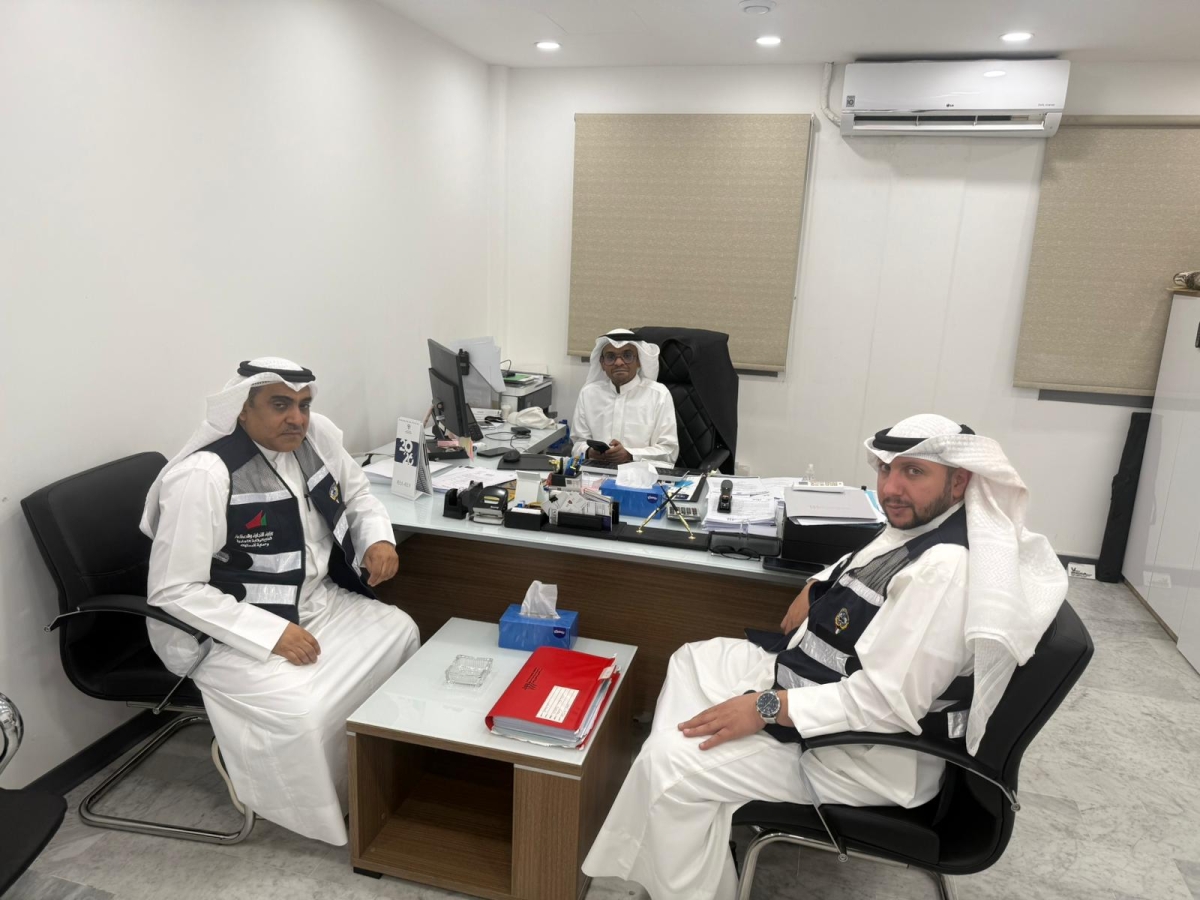
A liaison officer was appointed to ensure the flow of goods to 92 food supply centers.
Translated by Alqyas from Al-Rai — Original source
The Ministry of Commerce and Industry and Kuwait Flour Mills have agreed to appoint a permanent liaison officer between the two parties to monitor the continuous, round-the-clock supply of essential goods to rationing centers, as part of efforts to enhance food supply stability and ensure the availability of rationed commodities.
Faisal Al-Ansari, Director of the Commercial Control and Consumer Protection Department at the Ministry of Commerce, told Al-Rai that a liaison officer has been designated to coordinate with Kuwait Flour Mills, aiming to strengthen direct coordination and facilitate the delivery of shipments and essential materials to 92 rationing centers distributed across the country.
He noted that this arrangement comes amid pressure on the company’s transportation means, which could lead to delays in the arrival of some shipments. This necessitates direct and continuous coordination among relevant authorities to ensure smooth supply flows and prevent any shortages.
Al-Ansari emphasized that cooperative societies are responsible for ensuring the availability, proper transportation, and storage of rationed goods, and for working to avoid any shortages within rationing centers, in coordination with heads of rationing branches, thereby guaranteeing stable service for consumers.
He added that the Ministry monitors daily withdrawal rates and inventory levels at rationing centers through specialized inspection teams and a control room operating around the clock, affirming that the strategic stockpile of rationed goods is secure and available, with no justification for crowding or hoarding.
In another statement to KUNA, Al-Ansari said that activity at rationing centers and cooperative societies is “very normal,” with smooth shopping processes and uninterrupted distribution of rationed goods to consumers.
He further stated that food stocks are secure and stable, and rationed goods are available in sufficient quantities at all cooperatives, making it unnecessary to rush. He clarified that each ration cardholder has a full month to collect their share, either during morning or evening hours.
Al-Ansari also noted that the Ministry of Social Affairs plans to issue a decision allowing each cooperative society that owns its own transport vehicle to move rationed goods from Kuwait Flour Mills. This aims to address current disparities, as some cooperatives own more than one vehicle while others rely on just one. He confirmed that this decision will facilitate operational movements, enhance efficiency, and expedite procedures.
He affirmed that inspection teams are present on the ground at rationing branches to monitor operations and organize processes, noting that the operations room directly tracks the status of cooperative societies through inspectors.
He added that the Ministry monitors daily levels of strategic stocks of basic goods in coordination with suppliers and relevant companies to ensure uninterrupted flow of goods to markets, affirming that supply chains are operating with high efficiency and meeting consumer needs across various regions.
Al-Ansari stated that the organizational plans in place aim to enhance stability in the local market and maintain a balance between supply and demand, pointing out that inspection teams are intensifying their rounds to ensure compliance with established regulations, thereby strengthening trust between consumers and retail outlets.
