Iran's Deputy Foreign Minister: Tehran Open to Nuclear Deal with US
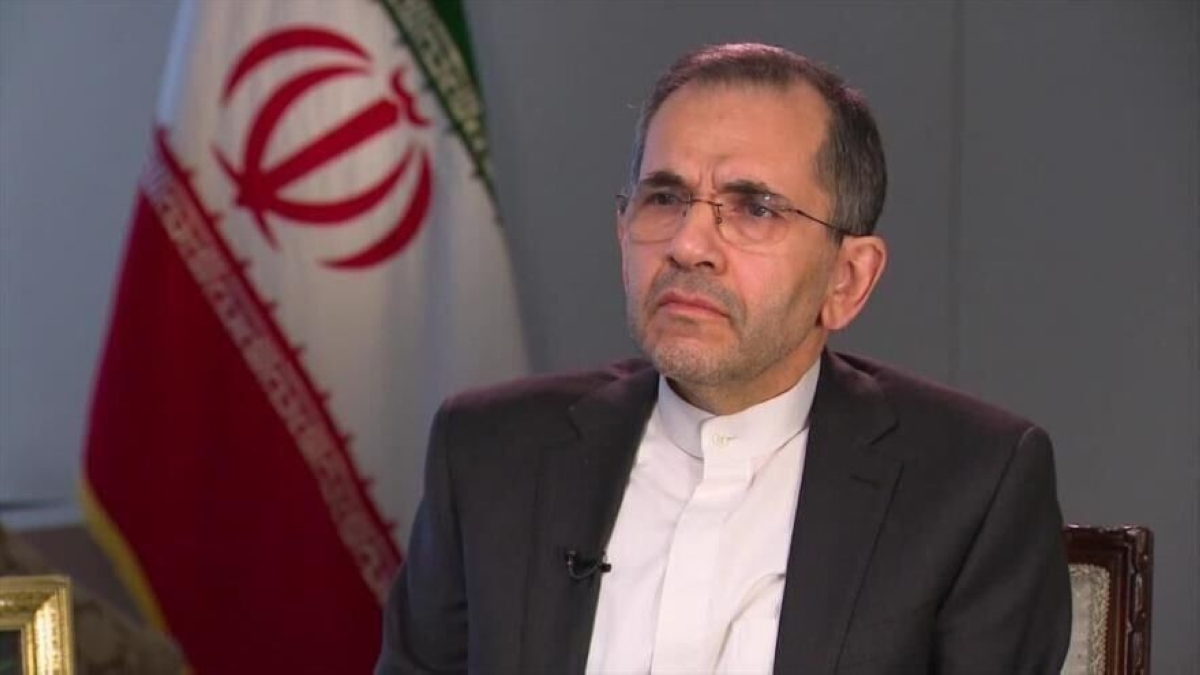
Tajani confirmed Tehran's readiness to negotiate a nuclear deal with the US if Washington shows willingness to lift sanctions.
Translated by Alqyas from Al-Rai — Original source
Iranian Deputy Foreign Minister Majid Takht-Ravanchi said in an interview with the BBC, published on Sunday, that Iran is ready to consider making concessions to reach a nuclear deal with the United States if the Americans show willingness to discuss lifting sanctions.
Ravanchi confirmed that a second round of nuclear talks will take place on Tuesday in Geneva, following the resumption of talks between Tehran and Washington in the Sultanate of Oman earlier this month.
He told the BBC, “The initial talks have largely moved in a positive direction, but it is too early to assess them.”
A source told Reuters on Friday that a U.S. delegation including envoys Steve Witkoff and Jared Kushner would meet with the Iranian side on Tuesday morning, mediated by representatives of the Sultanate of Oman.
Iranian Atomic Energy Organization President Mohammad Eslami said on Monday that Tehran might agree to reduce the enrichment level of its most highly enriched uranium in exchange for the lifting of all financial sanctions.
Takht-Ravanchi cited this example in his BBC interview to highlight Iran’s flexibility in the negotiations.
The senior Iranian diplomat reiterated Tehran’s rejection of the idea of halting uranium enrichment, which had been a major obstacle to reaching an agreement with the United States last year. The U.S. considers enrichment within Iran a path to acquiring nuclear weapons. Iran denies that it seeks to possess such weapons.
During his first presidential term, Trump withdrew from the 2015 Iranian nuclear agreement, known as the Joint Comprehensive Plan of Action (JCPOA), which was the most significant achievement in the foreign policy of former U.S. President Barack Obama of the Democratic Party.
The agreement eased sanctions imposed on Iran in exchange for Tehran restricting its nuclear program to prevent it from building an atomic bomb.
