Can Artificial Intelligence 'Create' the World's First Trillionaire?
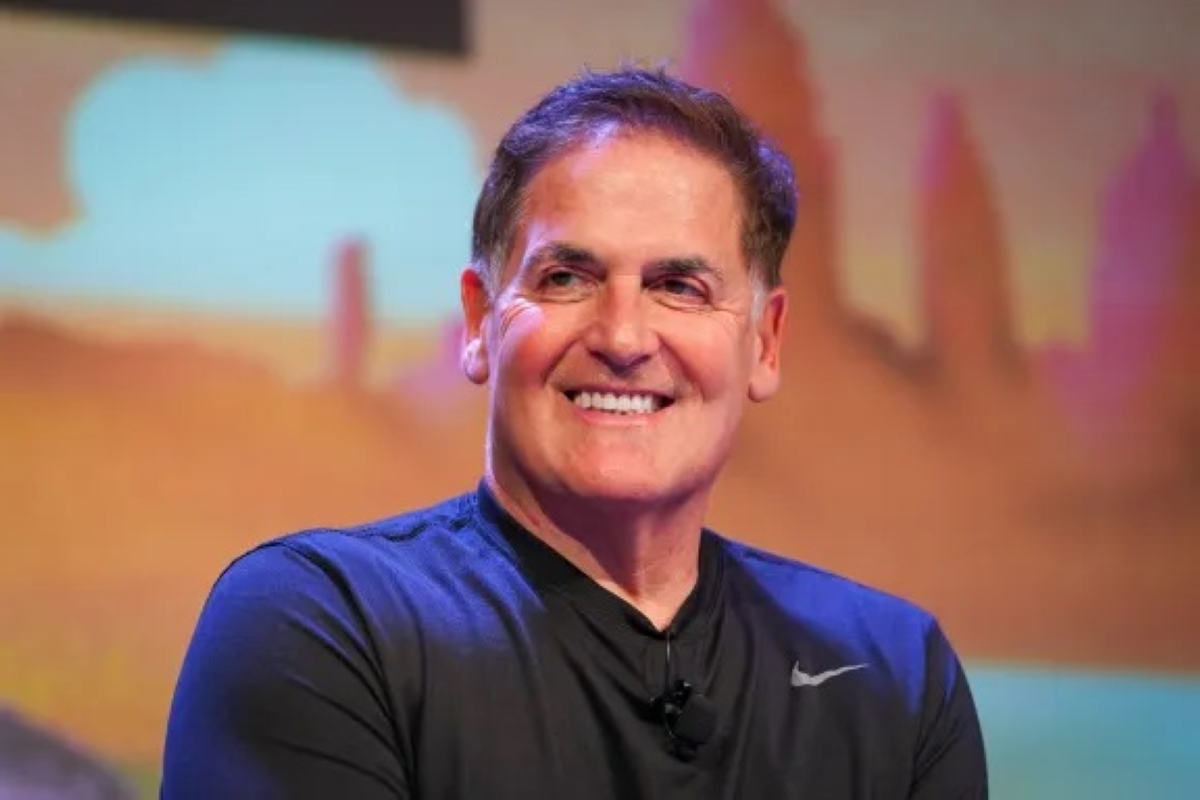
The first trillionaire is expected to be created via AI in simple homes
Translated by Alqyas from Al-Rai — Original source
US billionaire and investor Mark Cuban predicted that artificial intelligence technology will be the primary driver behind the creation of the world’s first trillionaire, noting that this achievement could be realized by “just a young person working in their basement,” highlighting the unprecedented empowering potential of these tools. He made these remarks during an appearance on the “High Performance” podcast, emphasizing that we are still in the “pre-season” of what this technology can accomplish, and that what we are witnessing today is merely the beginning.
Cuban pointed out that the ability of AI to empower individuals dwarfs the classic stories of tech giants being founded in home garages, such as Apple and Amazon. Currently, OpenAI—which was founded in the living room of one of its co-founders in 2015—is moving toward a staggering valuation that could reach $800 billion in upcoming funding rounds, while its CEO, Sam Altman, has a net worth estimated at $2 billion, a trajectory that illustrates the potential for rapid wealth accumulation in this sector.
• Personal Application and Healthcare: Cuban, who suffers from atrial fibrillation, revealed his intensive and direct use of AI in managing his daily health condition. He does not merely use tools like ChatGPT to log medication schedules and exercise routines; he also disclosed that he asks the tool to monitor the data he inputs and alert him if it detects any abnormal readings or inconsistencies that warrant concern, a function it performs with what he described as astonishing success.
• Balance and Warning Against Uncritical Dependence: Despite his clear enthusiasm, Cuban warns against the risks of blind reliance, comparing reliance on AI outputs to consulting a “friend who you think knows a lot about a particular subject.” He stresses the importance of constantly questioning answers, verifying sources, and examining the logic behind them, stating, “It’s no different than a conversation with a coworker who spouts nonsense when they’re wrong.” He explains his methodology for challenging the tool by asking it to show the evidence that led to a specific conclusion.
Cuban rejects the notion that AI will eliminate all jobs, believing it will not fully replace humans. Instead, he views it as the “best alternative to boredom,” enhancing creativity and innovation for those who use it as a smart assistant that reduces routine burdens and frees up human thinking for higher-value pursuits.
