Ministry of Oil: Updating the 'Gulf Energy Media' and 'Joint Gulf Energy' strategies according to a precise institutional methodology
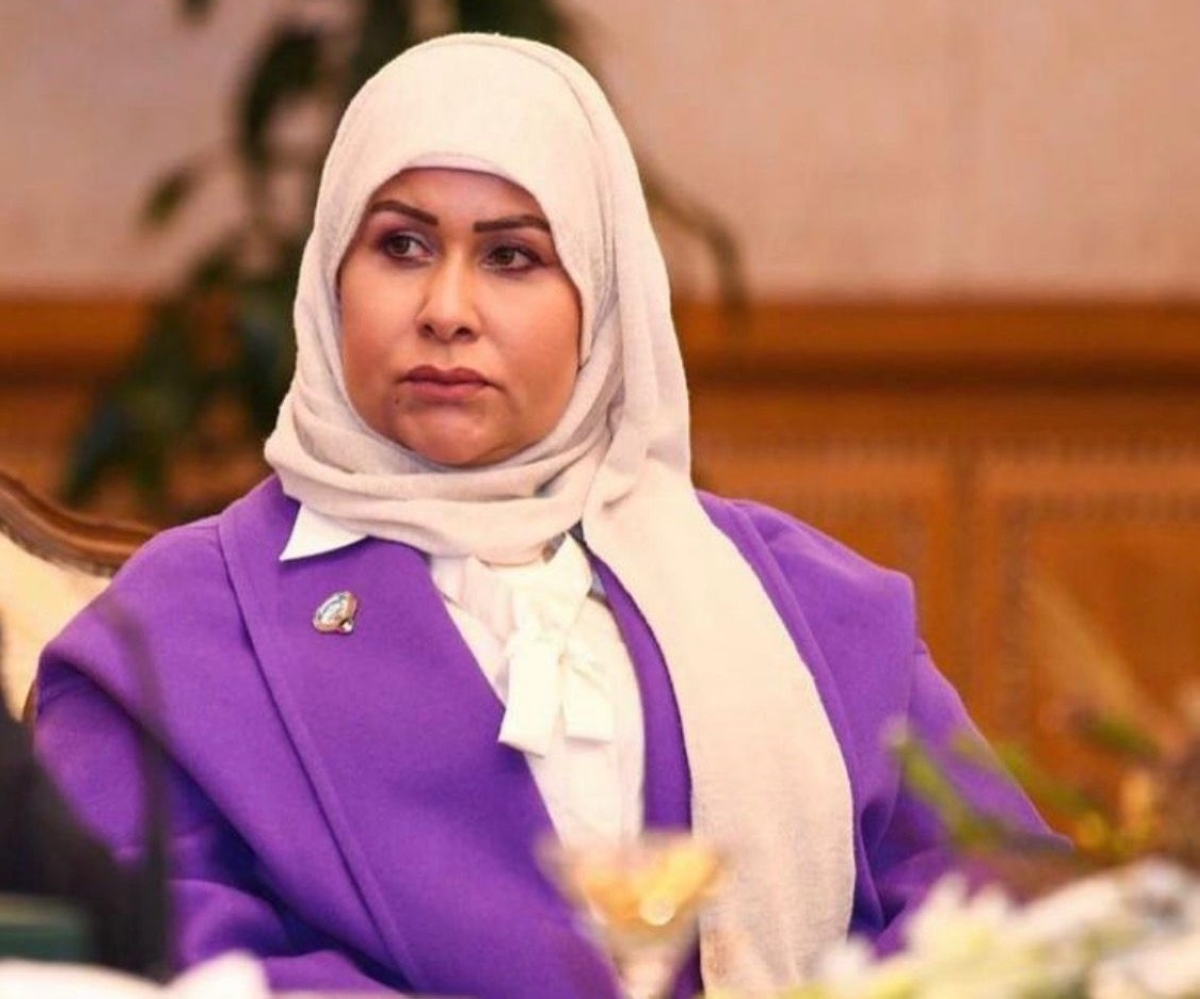
The Ministry of Oil, led by Sheikh Tamazud Khalid Al-Ahmad Al-Sabah, announced the update of Gulf energy strategies to reflect the transition from petroleum to integrated energy.
Translated by Alqyas from Al-Rai — Original source
Sheikha Tamadur Khaled Al-Ahmad Al-Sabah, Director of the Public Relations and Petroleum Media Department at the Ministry of Oil, announced on Monday the successful completion of a comprehensive update to both the Gulf Cooperation Council (GCC) Energy Media Strategy and the GCC Common Energy Strategy (2012-2030).
In a press statement issued by the ministry, Sheikha Tamadur Al-Sabah stated that this update is a direct implementation of the outcomes of the meeting of the GCC Ministers of Petroleum Deputies held in Kuwait last September. The meeting approved changing the names of the two strategies to reflect the shift from a petroleum-centric framework to a broader, integrated energy concept.
She explained that the update responds to rapid transformations in the energy sector at both the regional and international levels, aiming to make the strategies more comprehensive and expansive in scope. This ensures they cover various energy systems in their integrated entirety while preserving the pivotal role of oil and gas within the energy mix. The update aligns with concepts of energy security, energy transition, sustainability, and the circular carbon economy, thereby enhancing the GCC’s ability to convey balanced messages that reflect the region’s uniqueness as a major energy producer and an active partner in global energy stability efforts.
She noted that the Ministry of Oil, represented by the Public Relations and Petroleum Media Department, assumed responsibility for implementing this update according to a precise institutional methodology. This methodology focused on aligning the vision, objectives, policies, and implementation mechanisms with the new energy designation, ensuring the integration of the GCC media message and enhancing its capacity to keep pace with current challenges, correct misconceptions, and highlight shared GCC positions on energy and climate issues.
She added that the update went beyond merely changing names; it included recalibrating the overall framework of the two strategies to ensure consistency between strategic directions, executive policies, and media action programs. This contributes to raising the efficiency of specialized media performance, strengthening coordination among petroleum media entities in GCC member states, and supporting a unified GCC media discourse at regional and international forums.
She expressed her sincere gratitude and appreciation to Minister of Oil Tariq Al-Roumi for his sound guidance and direct supervision of the strategy update process. She highlighted his commitment to ensuring these updates reflect the stature of the GCC states and their pivotal role in the global energy system, while simultaneously keeping pace with international developments and the requirements of the coming phase. This underscores Kuwait’s commitment to its leading role in developing joint GCC efforts at both the strategic and media levels.
She affirmed that, through this effort, Kuwait continues to play an active role in supporting joint GCC work and contributing to the development of strategic frameworks that enhance the readiness of GCC states to address future energy challenges. This solidifies their position as a reliable and responsible partner in stabilizing global energy markets, reflecting a sustainable institutional approach based on planning, integration, and future foresight that serves the supreme interests of the GCC states.
