Sheikha Al-Bahr: 'Al-Watani' 2025 performance confirms its ability to achieve sustainable operational growth
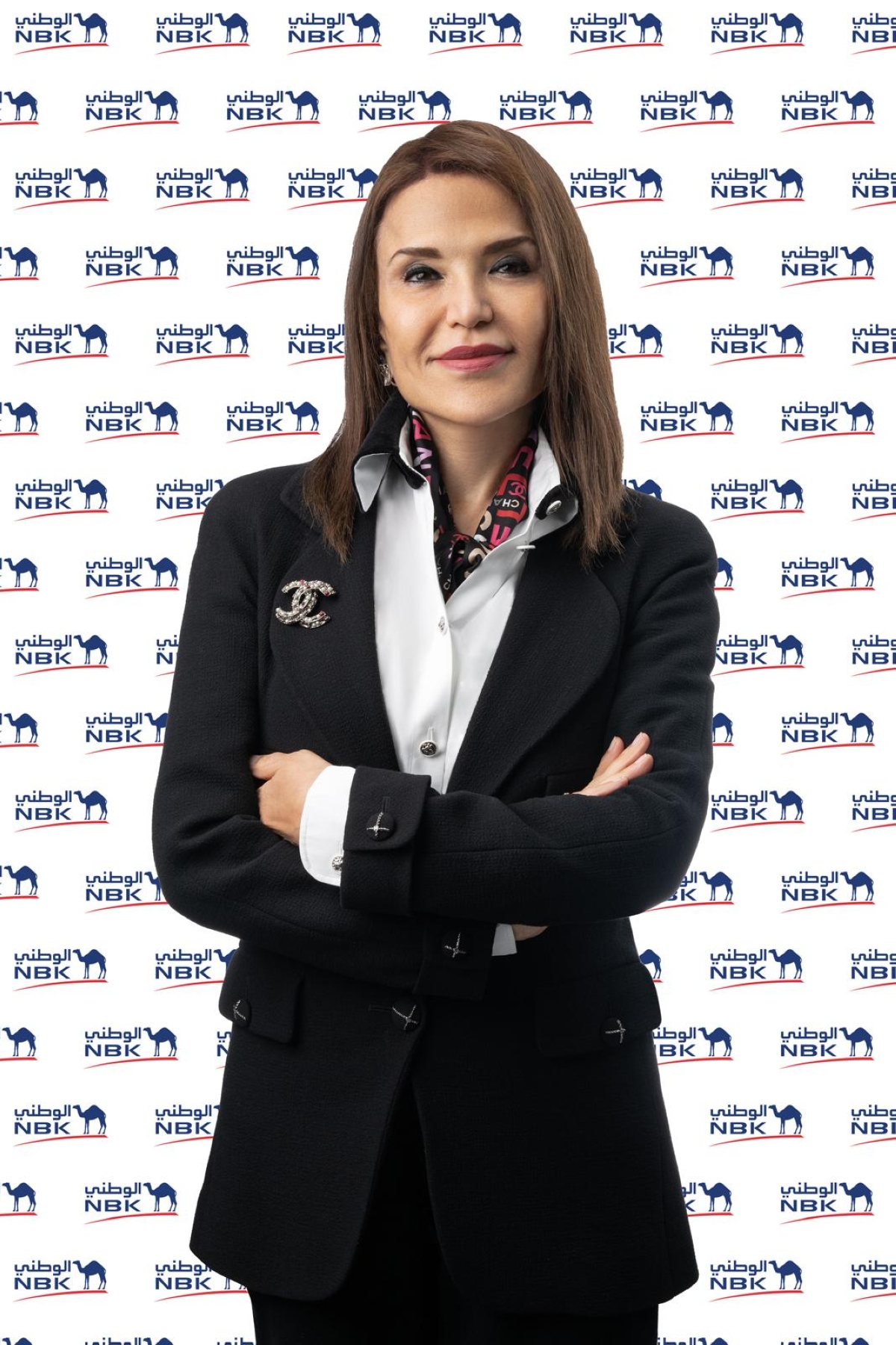
The bank grew by 13 percent in assets, and profits rose by 5.4 percent.
Translated by Alqyas from Al-Rai — Original source
- 13% growth in assets and loans
- 5.4% year-on-year increase in pre-tax profits
- We benefited from the improvement in the local business environment and strengthened the contribution of our international operations to revenue and profits
- “Real Estate Financing” has made significant progress toward its final stages
- Further improvement in the local business environment will boost credit demand and enhance liquidity
- We are optimistic about our 2026 performance and strive to deliver the best returns for our shareholders
Sheikha Al-Bahar, Deputy Chief Executive Officer of National Bank of Kuwait (NBK) Group, confirmed that the bank’s financial results for 2025 reflected the strength of its financial position and its ability to achieve sustainable operational growth.
In an interview with CNBC, Al-Bahar stated, “Our net profit was affected by the implementation of the new tax system for multinational enterprises, which doubled the effective tax rate from 8.2% in 2024 to 16% in 2025. However, if we look at pre-tax profits, they recorded a year-on-year increase of 5.4%, reaching KD 734.6 million. We also achieved solid growth in net operating income, rising by 3.6% to KD 1.3 billion.”
She clarified that core banking activities were a key driver of the bank’s operating income growth in 2025, alongside an improvement in risk costs. She noted that the bank recorded strong growth in both total assets and the loan portfolio, which increased by more than 13% year-on-year.
Al-Bahar emphasized that the bank benefited from the improving business environment in Kuwait, as well as the enhanced contribution of the group’s international operations to revenue and profits, and increased cross-selling across the various markets where the group operates.
She explained that the notable growth in total assets and the loan portfolio resulted from a comprehensive mix of strong performance in the local market, alongside sustained momentum in the group’s external markets. She pointed out that this growth was diversified, both in lending to individuals and corporations, reflecting a broadening customer base and the bank’s ability to seize opportunities across various sectors.
Al-Bahar noted that NBK continues to solidify its position as a leading financial institution through its strategic expansion of international operations. She affirmed that this wide geographical footprint provides the bank with a robust platform to strengthen its business model, diversify income sources, and capitalize on promising opportunities in regional and global markets.
Regarding the downward trend in interest rates, Al-Bahar pointed out that the US Federal Reserve kept interest rates unchanged at its last meeting last week, after having cut rates by 75 basis points during 2025. She noted that most global central banks, as well as those in the Gulf region, are following the Fed’s path, with the exception of the Central Bank of Kuwait, which continues to adopt a more gradual approach, which she expects to persist in the coming period.
Al-Bahar said, “Lower interest rates undoubtedly affect profit margins. However, we are working to diversify our revenues across the group’s various markets and capitalize on the momentum of major development projects launched by the government under the Kuwait 2035 vision.”
She highlighted that the value of projects awarded in Kuwait reached KD 4.3 billion in 2025, a significant increase from the previous year, while the volume of projects currently being tendered is estimated at approximately KD 11.7 billion, most of which aim to enhance infrastructure to meet the needs of population growth.
She added that the anticipated approval of the mortgage financing law will have a significant positive impact, noting that the draft legislation has made substantial progress toward its final stages, alongside the launch of major tenders to develop three new residential cities under a real estate developer model. This will strengthen the role of the private sector and expand homeownership options, positively reflecting on banks’ loan portfolios.
Regarding her outlook for the bank’s performance in 2026, Al-Bahar expressed optimism, emphasizing that the bank consistently strives to deliver the best returns for its shareholders. She explained that further improvement in the local business environment—driven by the introduction of new legislation such as the mortgage financing law, sustained momentum in awarding development projects, and continued sovereign issuances under the financing and liquidity law (public debt)—will positively impact the banking sector by boosting credit demand, improving liquidity levels, and growing fee-based income.
Al-Bahar stressed that the diversified business mix of the “Al-Watani” Group, combined with its geographic footprint spanning 13 countries, enables it to capitalize on promising opportunities across various markets.
