Standard & Poor's: $125 billion annually to secure Gulf oil supplies
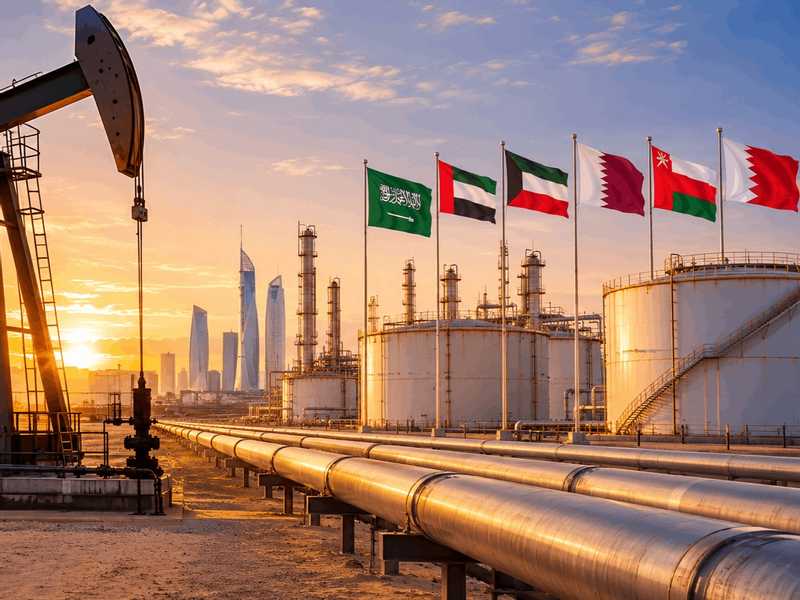
S&P report expects Gulf oil companies to invest $125 billion annually during 2026 and 2027 to enhance infrastructure and reduce reliance on the Strait of Hormuz
Translated by Alqyas from Al-Qabas — Original source
National oil companies in the Gulf countries are expected to invest an average of $125 billion annually in 2026 and 2027, compared to an estimated $110 billion to $115 billion in 2025, as regional disruptions prompt energy producers to bolster infrastructure, expand production, and develop alternative export routes. According to a new report by S&P Global Ratings, this spending increase comes as Gulf producers seek to safeguard energy supplies and reduce their reliance on the Strait of Hormuz, while continuing major expansion projects in the oil and gas sectors.
The report, titled “Gulf Energy Sector Next Year: Race to Enhance Resilience,” noted that investments will remain high over the next two to three years, driven by exploration and production projects, repairs to infrastructure damaged by conflict in the Middle East, and potential spending on new export pipelines. In contrast, major international oil companies are expected to keep their capital expenditures largely unchanged during the same period.
Expanding Production Capacity
S&P stated that exploration and production activities are expected to account for more than half of national oil companies’ capital expenditures on average. The agency estimated that developing alternative oil export routes in the region could require additional investments ranging from $20 billion to $30 billion, beyond current spending plans. This push for new infrastructure follows ongoing disruptions affecting energy shipments through the Strait of Hormuz.
However, S&P clarified that existing routes cannot fully replace the approximately 15 million barrels of crude oil that previously passed daily through the strait before the conflict. Regionally, potential additions to the pipeline network could increase alternative export capacity by about 10 million to 11 million barrels per day, although most proposed projects are still in their early stages. The agency expects that most of these projects will not enter operation before at least 2030.
Energy Security Tops Priorities
The report noted that Gulf producers will continue investing in low-carbon technologies, natural gas, and liquefied natural gas (LNG). However, energy security is expected to remain their primary priority in the short and medium term. Low-carbon investments are projected to account for between 10% and 15% of total capital expenditures on average, with companies directing most of their resources toward traditional energy operations and infrastructure.
The agency also warned that rising transportation costs and ongoing export disruptions could pressure profitability. According to the report, oil shipping costs in the region rose by approximately 35% to 40% year-on-year during the third quarter of 2026, while some producers offered discounts to attract buyers. Crude oil flows from the Middle East recovered in October to about 75% of pre-conflict levels, compared to only about 25% for refined products.
S&P expects the creditworthiness of Gulf national oil companies to remain generally stable over the next 12 to 24 months, supported by strong cash flows and relatively low debt levels. However, the agency noted that additional borrowing needs, infrastructure spending, and continued geopolitical uncertainty could place some pressure on financial indicators.
Drilling companies in the region face more challenging prospects, as rising costs and potential contract disruptions weigh on profitability. However, major investment programs in exploration and production are expected to keep drilling rig utilization rates at around 85% to 95% in 2026 and 2027. The report’s base case assumes that disruptions linked to the regional conflict will persist through 2027, although their duration and intensity remain uncertain.