Iran's War: Where Is It Heading?
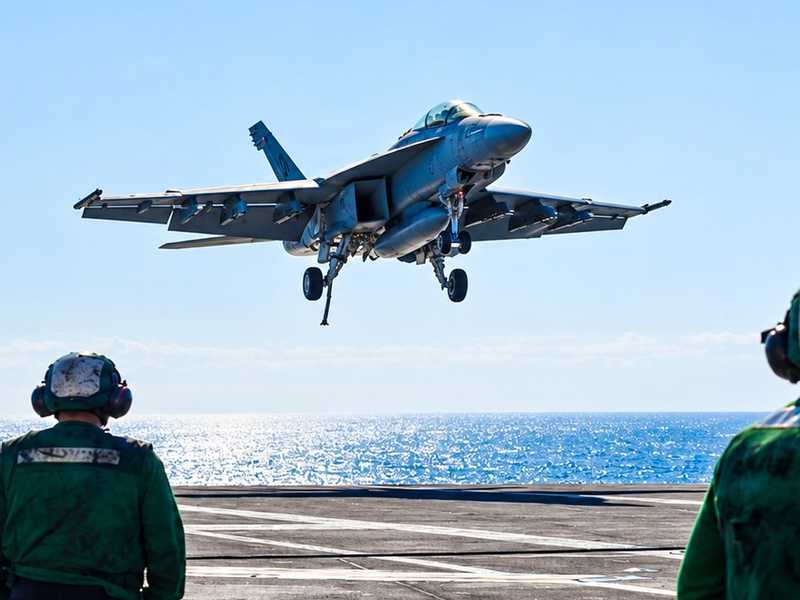
Trump acknowledges that the Iran war has burdened voters, while Qalibaf affirms his support for the American people's message against war.
Translated by Qiyas from القبس — Original source
US President Donald Trump explicitly acknowledged that the war with Iran contributed to his party’s losses, having burdened voters with rising living costs, high inflation, and soaring energy prices. Despite the political setback in Congress, researchers and strategic analysts insist that Trump will not necessarily become a “lame duck” in terms of foreign policy leadership. Laurel Rab, director of the US and North America program at Chatham House, noted that the ongoing repercussions of the war with Iran and inflationary pressures driven by energy and food prices were the primary drivers for voters. She pointed out that Democrats will clash with a wide margin of constitutional executive powers that the president still retains in managing military operations and the trajectory of the Ukrainian crisis. Democrats may resort to using the so-called “power of the purse” by blocking federal spending allocations to restrict foreign military interventions; however, their ability to override war decisions remains contingent on their difficult task of mustering two-thirds of the votes to override a presidential veto. From another perspective, while the US president retains broad powers in managing foreign policy, he cannot ignore both houses of Congress when it comes to approving new appropriations or essential legislation needed to sustain his policy directions. Thus, the budget becomes a pressure tool that could limit the White House’s options. However, the political impact of the election results will only truly begin with the start of the new Congress term on January 3, 2027, raising questions about Trump’s choices in the coming two months and whether he will escalate tensions before the new majority assumes office. In this context, J.C. Lintzenich, a researcher at the German Marshall Fund, affirmed that the change in Congress’s composition does not diminish the president’s influence in national security matters. Yesterday, Iranian Parliament Speaker Mohammad Bagher Qalibaf commented on the Democrats’ victory in the congressional midterm elections, saying: “Aware of the cost of living, Americans said no to war, and we support this message. If the US administration betrays the will of its people (...), it will learn that the ‘no’ we issue comes accompanied by a nightmare.”
