Democrats Secure Majority in U.S. Senate
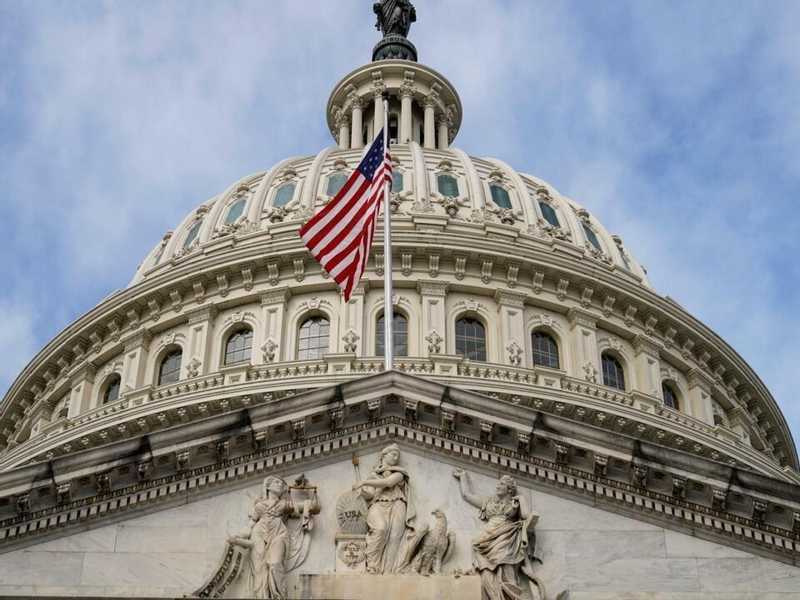
Early results show significant gains for Democrats in the U.S. House of Representatives, bolstering hopes for control of Congress.
Translated by Qiyas from القبس — Original source
Democrats secured seats in the U.S. House of Representatives on Tuesday, as early results from the U.S. midterm elections showed Democrats winning 152 seats to the Republicans’ 100. Amid media projections indicating a Democratic majority in the House, early victories bolstered the party’s hopes of gaining control of both chambers of Congress. For his part, House Democratic leader Hakeem Jeffries expressed optimism as well, telling reporters in Washington, “We are on the cusp of a fundamental shift in the direction of this country.”
President Donald Trump commented on Wednesday on the Democrats’ progress in the U.S. midterm elections, noting, “My name was not on the ballot.” He added on his Truth Social account, “If my name had been on the ballot, we would have won by a landslide.” President Trump also told The New York Times that he is prepared to accept the election results and is ready to work with Democrats, adding, “Perhaps we will find common ground.”
Rather than waiting for the midterm results to determine the nature of the upcoming confrontation with Congress, Trump had already outlined his approach in the event that Democrats take control of one or both chambers, hinting at the use of the presidential veto to block legislation that may reach his desk.
House of Representatives: The Democratic Party is close to taking control of the U.S. House of Representatives, having secured 190 seats compared to 110 for the Republican Party, out of a total of 435 seats, according to early results. The party needs 218 seats to guarantee a majority in the House, meaning Democrats require 28 additional seats to secure control, as vote counting continues in several districts, according to U.S. media. If Democrats manage to surpass the majority threshold, it would mark a significant shift in the balance of power within the U.S. Congress, granting the party greater ability to advance its legislative agenda and exercise oversight over the president’s administration.
