Construction Cost of 'Dream Home' Rises by Approximately 22%
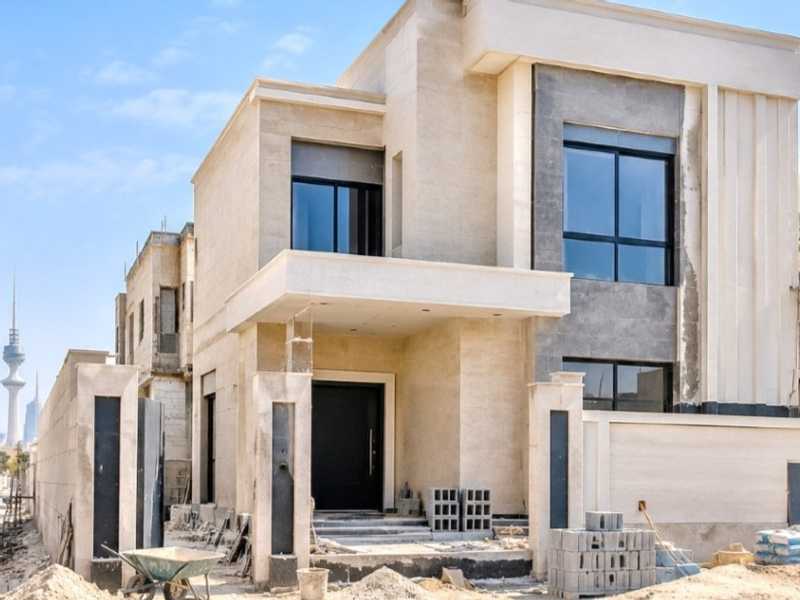
A report reveals a 22% increase in home construction costs in Kuwait, impacting government subsidies, with rising prices for raw materials, shipping, and insurance due to regional tensions.
Translated by Qiyas from القبس — Original source
The repercussions of the war with Iran and the disruptions in the Strait of Hormuz have extended to the construction sector in Gulf countries, affecting shipping movements, delaying the arrival of materials and equipment, and increasing transportation and insurance costs. This has been reflected in higher prices for construction materials and finishes, as well as increased costs for executing residential projects. In Kuwait, the repercussions are no longer limited to contractors and suppliers; they have reached citizens benefiting from housing support, after the cost of building a home rose by approximately 22 percent, according to an Al-Qabas survey based on data and invoices provided by contracting companies and engineering offices.
Companies operating in the sector confirmed that the wave of price hikes was not confined to the Kuwaiti market but also affected other Gulf markets, given the broader base of local factories specializing in producing construction materials. According to contractors, the disruption of supply chains and the disturbance of regional trade movements since February 28, 2026, contributed to increased construction material costs, especially imported ones, amid rising shipping and insurance costs and fluctuating availability of some products.
Housing support is no longer sufficient
The manager of one contracting company stated that the government support of 100,000 dinars, including subsidized materials, was previously sufficient to build a two-and-a-quarter-story house. However, the cost of building a two-story house has now risen to approximately 105,000 dinars, forcing citizens to pay an additional 5,000 dinars from their own pockets for a smaller built area. He clarified that this comparison is based on two houses in the same area with identical plans and designs; the first was executed in 2025, while the contract for the second was signed in April 2026.
Materials with the highest price increases
Al-Qabas’s review of past and recent invoices, obtained from records of local contracting companies, showed varying increases in construction material prices since the beginning of the crisis, with the highest rises recorded in plastering, insulating foam, and cement work. The cost of plastering work jumped from 2,700 to 3,500 dinars, an increase of 29.6 percent, while the price of insulating foam rose from 16 to 20 dinars, a 25 percent increase. Additionally, the price of a 50-kilogram cement bag increased from 1.05 to 1.3 dinars, a 23.8 percent rise, after previously reaching about 1.7 dinars, which is approximately 62 percent higher than its previous level. The price of a ton of reinforced steel rose from 174 to 207 dinars, an increase of about 19 percent, while the cost of a cubic meter of ready-mix concrete increased from 21 to 25 dinars, a rise of nearly 19 percent. The increases extended to air conditioning work, with costs rising from 8,000 to 9,000 dinars, an increase of 12.5 percent.
Previously, citizens bore between 1,000 and 2,000 dinars above the 6,000 dinar support from the Ministry of Commerce and Industry, but they are now forced to pay at least 3,000 dinars more, according to company estimates.
Basement construction costs jump to 50,000 dinars
Regarding basement construction, the owner of a local construction company stated that its cost rose from approximately 43,000 dinars before the crisis to nearly 50,000 dinars by October of this year, an increase exceeding 16 percent. This has led some citizens to reconsider building basements due to the financial burden. Contractors pointed out that construction material prices often struggle to return to previous levels even after the reasons for the increase subside, citing the supply chain crisis during the coronavirus pandemic, when prices rose and did not fully decline despite trade movements returning to normal.
Shipping and insurance costs double the pressure, and the rise in shipping and insurance expenses has become one of the most prominent sources of pressure on the market. According to data from companies, the cost of shipping a 40-foot container has increased from approximately $2,000–$2,800 to $5,000–$6,800. Furthermore, the classification of the Strait of Hormuz region as a war-risk zone by insurance companies has imposed additional burdens on shipments, which have been reflected in the prices of imported goods. Pressure has intensified due to rising energy and petrochemical costs, including a 45 percent increase in bunker fuel prices in the first quarter of 2026, according to monitoring figures, thereby raising production and maritime and land transport costs.
Labor costs remain stable, while warehouses pose an additional burden. Conversely, a manager at a local contracting firm clarified that wages for labor used in housing construction have not seen a significant increase during the crisis, given the availability of labor, market stagnation, and the insufficient pace of allocating new residential areas, alongside the increased importation of labor. He noted that local logistical and storage burdens represent an additional pressure on suppliers, given the rise in lease rates for plots and warehouses in areas such as Shuwaikh, Al-Rey, Subhan, and Umghara. This forces companies to pass on a portion of these fixed costs to the prices of final products.
Gulf-made materials also see price hikes. An office importing construction materials reported that prices for some construction materials manufactured and transported by land from neighboring Gulf countries have also risen, due to the increase in global raw material costs, in addition to higher transport and shipping bills and insurance fees.
Al-Qabas monitoring methodology. Al-Qabas monitoring relied on comparing previous and subsequent invoices and prices for construction materials and works from local contracting companies, with the aim of measuring changes in the cost of building houses following the outbreak of the war and the disturbances witnessed in the Strait of Hormuz since February 28, 2026. The comparison included prices for several key items, most notably surveying works, insulating foam, cement, reinforced steel, ready-mix concrete, and air conditioning, alongside comparing the cost of building two houses in the same area with the same plans and designs, one executed in 2025 and the other with a construction contract signed in April 2026. Increase percentages were calculated by comparing previous prices with subsequent prices for each item, while the estimate of the approximately 22 percent rise in the cost of building a house was based on data from companies and engineering offices included in the monitoring.
These results reflect the conditions and prices that were accessible, and do not necessarily represent a comprehensive survey of all contracting companies or construction material prices in the Kuwaiti market.
