Pakistani Ambassador to Al-Qabas: We Commit to Kuwait's Security... Its Joining the Mecca Agreement is a Sovereign Decision
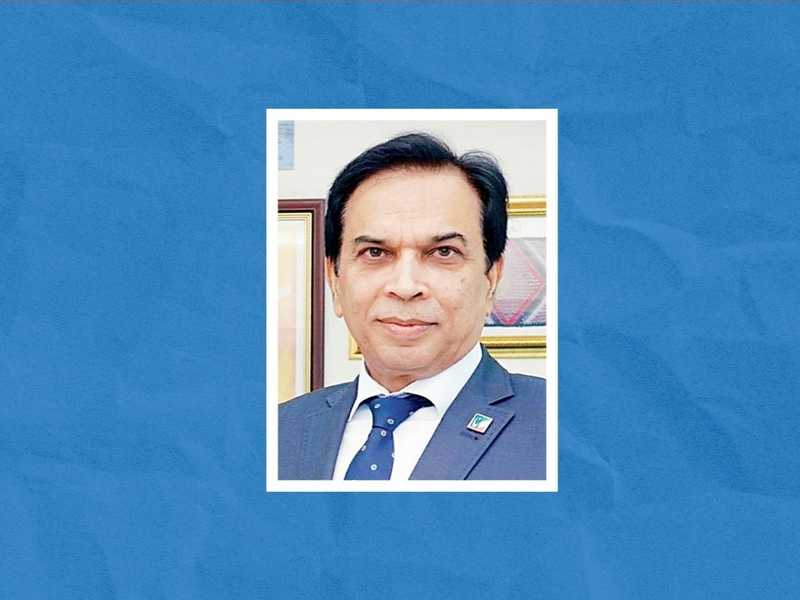
Pakistani Ambassador Zafrar Iqbal affirms Kuwait's accession to the Mecca Agreement is a sovereign decision, emphasizing the priority of preventing confrontation with Trump and Iran
Translated by Qiyas from القبس — Original source
Maysa Al-Sukari: The Ambassador of the Islamic Republic of Pakistan to Kuwait, Dr. Zafar Iqbal, affirmed that the Mecca Agreement for Joint Defense represents a significant step toward enhancing regional security and collective deterrence, transcending mere political understanding. He noted that participating states have established a strategic political and defense committee, appointed a secretary-general, and begun making practical arrangements to implement their collective defense commitments.
In an interview with Al-Qabas, Iqbal stressed that the effectiveness of any defense agreement depends on sustained coordination, operational readiness, and cooperation among its members—arrangements that are being developed gradually. He emphasized that the agreement is inherently defensive in nature and aims to contribute to regional peace and stability.
Regarding the possibility of Kuwait joining the Mecca Joint Defense Agreement and whether Islamabad has received an official request from Kuwait on the matter, Iqbal affirmed that Pakistan attaches utmost importance to the security, sovereignty, and territorial integrity of fraternal Kuwait. He clarified that the agreement allows for the participation of other regional states whose objectives align with those of the pact, and that any decision regarding Kuwait’s potential participation would be a sovereign one taken by Kuwaiti leadership in consultation with other relevant governments.
He added that Kuwait already enjoys existing security partnerships, including long-standing bilateral defense cooperation with Pakistan. He pointed out that the Defense Cooperation Agreement signed between the two countries in 2023, along with the additional protocol signed in August 2026, provides a framework to enhance cooperation in several key areas. Iqbal stressed that a country’s non-membership in the agreement should not automatically be interpreted as creating a gap in regional security, emphasizing the need to strengthen cooperation among existing security arrangements while respecting the sovereign choices of each state.
Preventing Confrontation as a Priority
Regarding the Mecca Agreement’s capacity to protect Gulf states from the repercussions of any direct military confrontation between U.S. President Donald Trump and Iran, Iqbal explained that such a confrontation would have serious implications for regional security. He noted that the agreement aims to enhance collective deterrence and defense cooperation among participating states. He stated that Pakistan believes all regional countries should work to strengthen their defense capabilities and security cooperation while maintaining constructive relations with international partners. He emphasized that the current priority must remain preventing the outbreak of a new military confrontation.
In response to questions about Trump’s threats to launch military strikes against Iran as U.S. elections approach, and whether electoral calculations in Washington could lead to an escalation threatening Gulf security and undermining the objectives of the Mecca Agreement, Iqbal stated that it is inappropriate to speculate on the domestic political considerations that may influence U.S. administration decisions. He reiterated Pakistan’s firm stance opposing any steps that could further destabilize the region, affirming his country’s belief that disputes should be resolved through dialogue and diplomacy.
He added that while the Mecca Agreement was designed to enhance deterrence and defense cooperation, the most effective protection for regional states remains preventing conflicts through responsible diplomacy, credible deterrence, and regional cooperation.
Regarding reports on the evacuation of American diplomatic or military personnel, or a reduction in the U.S. presence in the region, and whether these reflect concerns about an imminent confrontation, Iqbal stated that decisions regarding the deployment or withdrawal of American diplomatic and military personnel fall under the purview of U.S. authorities. He considered it premature to draw conclusions about the likelihood of an imminent confrontation based solely on these reports. He emphasized that Pakistan views any further escalation as posing significant risks to all countries in the region, noting that Pakistan supports diplomatic engagement, restraint, and efforts aimed at de-escalating tensions. He called on all parties to refrain from taking steps that could inadvertently lead to a wider conflict.
When asked about who might fill the security vacuum resulting from Washington’s reduction of its military presence in the Middle East, and whether Gulf states and Pakistan have a practical alternative to ensure regional stability, Iqbal clarified that regional security should not be viewed exclusively through the lens of any single country’s military presence. He pointed out that Gulf states possess substantial defense capabilities and have developed important security partnerships at both bilateral and multilateral levels. He noted that Pakistan maintains long-standing defense relations with several Gulf states and remains committed to enhancing cooperation in agreed-upon areas among the parties. He added that the Mecca Agreement serves as an example of efforts to develop broader regional security cooperation, and that such arrangements can complement existing partnerships and contribute to strengthening regional stability. He stressed that the objective is not to replace one security umbrella with another, but to develop a more cooperative, resilient, and sustainable regional security architecture.
Regarding collective defense and response mechanisms, in response to a question about whether a U.S.-Iran military confrontation could undermine the objectives of the Mecca Agreement for joint defense, and whether it could evolve into an effective collective defense mechanism if one of the Gulf states were attacked, Iqbal explained that the agreement is based on the principle of collective defense among participating states, and its effectiveness will depend on the mechanisms, coordination levels, and capabilities developed by those countries. He added that the collective defense obligations stipulated in the agreement apply to the participating states, while cooperation with other regional countries is governed by existing bilateral and multilateral arrangements among the relevant parties. He affirmed that enhancing regional defense cooperation can contribute to supporting deterrence and stability in the broader region.
On whether the Mecca Agreement possesses the military capabilities and operational mechanisms necessary to counter missile or drone attacks targeting Kuwait or any other Gulf state, Iqbal stated that participating countries possess significant military capabilities and experience in defense cooperation, and that the agreement provides a framework for enhancing coordination and developing collective defense mechanisms. He clarified that specific operational arrangements, response capabilities, and military planning fall under the jurisdiction of the competent defense authorities in the participating countries. Specifically regarding Kuwait, he reaffirmed Pakistan’s commitment to strengthening bilateral defense cooperation, including in areas related to emerging security threats, within the framework of existing agreements between the two countries.
Pakistan between Iran and the Gulf: How Pakistan balances its relations with Iran and its defense partnerships with Gulf states, and whether Islamabad can provide practical and reliable security guarantees to Kuwait in the event of an expanded confrontation, Iqbal stated that Iran is a neighboring country to Pakistan, while his country maintains close, long-standing, and strategic relations with the Gulf states, emphasizing that Islamabad does not view these relationships as conflicting or contradictory. He added that Pakistan’s foreign policy is guided by principles of respecting sovereignty, territorial integrity, peaceful coexistence, and resolving disputes through dialogue. He affirmed that Pakistan’s relationship with Kuwait is based on mutual trust, shared interests, and decades of cooperation, noting that defense ties between the two countries have been strengthened through the Defense Cooperation Agreement signed in 2023 and an additional protocol signed in August 2026. He clarified that these arrangements provide a practical framework for expanding cooperation in areas such as defense training, technical expertise, intelligence coordination, and other fields agreed upon by both sides. Iqbal stressed that Pakistan stands firmly by Kuwait’s sovereignty, security, and stability, explaining that the nature and scope of any specific defense assistance would be determined through consultations between the governments of the two countries, in accordance with established arrangements.
Defense Industries and Air Defense
Regarding Pakistan’s ability to supply Kuwait with battle-tested defense systems to protect it from missile and drone attacks, Iqbal affirmed that his country possesses significant defense capabilities and a growing domestic defense industry, along with expertise in developing and producing a diverse range of military equipment and systems. He pointed out that Pakistan and Kuwait are exploring opportunities to expand cooperation in defense industries and technical fields, including areas related to emerging security challenges, such as drone threats and air defense. He explained that the selection of specific systems naturally depends on Kuwait’s operational requirements and relevant technical assessments, noting the possibility of discussing arrangements concerning ammunition, spare parts, maintenance, training, and technical support within any agreed-upon framework for defense procurement between the two sides. He emphasized that Pakistan values its defense partnership with Kuwait and remains ready to explore practical means to continue enhancing it, in a manner that serves the shared interests of both countries and supports their security and stability.
