NBK Keeps Pace with Economic Shifts from the Heart of Bangkok
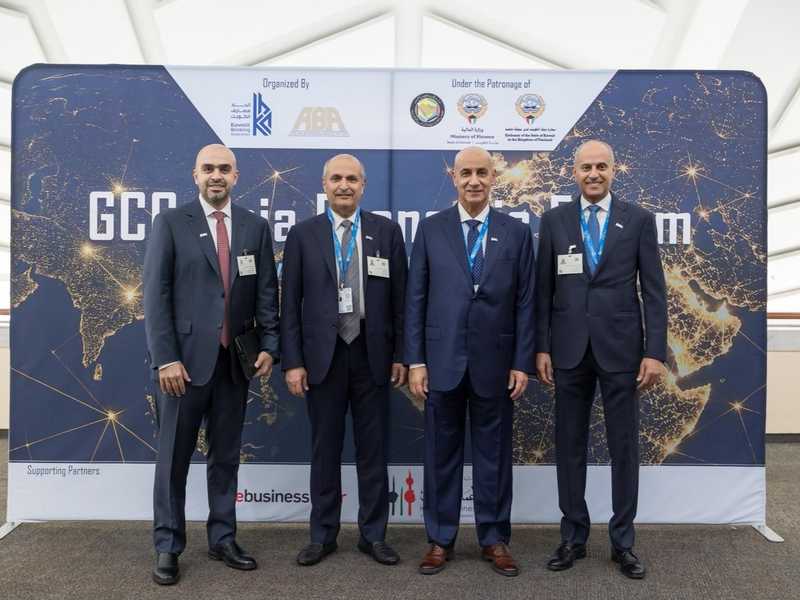
National Bank of Kuwait concluded its participation in the annual meetings of the IMF and World Bank in Bangkok, discussing global economic challenges and cooperation opportunities with major international institutions.
Translated by Qiyas from القبس — Original source
The National Bank of Kuwait (NBK) delegation concluded its participation in the 2026 Annual Meetings of the International Monetary Fund and the World Bank Group, hosted by the Thai capital, Bangkok, from October 12 to 18. This participation underscored the bank’s commitment to strengthening its presence at major global economic and financial forums and continuing its active role in international economic dialogue.
The NBK delegation was led by Essam Al-Saqer, Vice Chairman and Chief Executive Officer of the National Bank of Kuwait Group. It also included Salah Al-Fulaij, CEO of NBK Kuwait; Sulaiman Al-Marzouq, Deputy CEO of NBK Kuwait; Omar Al-Bu-Hadiba, CEO of the Overseas Branches and Subsidiaries Group; Khaled Al-Sayer, Head of Financial Institutions; and Abdulmohsen Al-Rashid, Head of Digital Engagement.
The delegation attended a reception organized by the Kuwait Banks Association at the Capella Bangkok hotel, under the patronage and presence of Bank of Kuwait Central Governor Bassel Al-Haroun. The event was attended by a select group of global banking leaders, as well as heads of Kuwaiti banks, Arab central bank governors, and numerous senior officials and policymakers from around the world.
Additionally, the delegation attended a luncheon hosted by the Kuwaiti Ambassador to the Kingdom of Thailand, Dr. Meshal Al-Mansour, at the InterContinental Bangkok in honor of the Kuwaiti delegation participating in the meetings. The event provided an opportunity to exchange views on key economic and financial issues on the meetings’ agenda and to enhance communication among representatives of participating Kuwaiti entities.
On the sidelines of the Annual Meetings, the delegation participated in discussions at the Gulf-Asia Economic Forum, organized by the Kuwait Banks Association. Participants discussed ways to enhance economic and investment cooperation between the Gulf Cooperation Council (GCC) countries and Asian nations, reviewed promising opportunities for financial and trade cooperation, and addressed challenges facing the global economy in the current phase.
The NBK delegation also took part in various sessions and events accompanying the Annual Meetings, which brought together top economic and financial policymakers from around the world. The meetings discussed the latest economic developments and challenges facing the global economy, as well as the future of capital markets and the banking sector, and prospects for economic growth and global financial stability.
The delegation held a series of bilateral meetings with senior officials, policymakers, and representatives of international financial institutions, exploring opportunities for joint cooperation and exchanging views on key economic and financial developments at both the regional and global levels.
Furthermore, the delegation participated in the annual conference organized by the Group of Thirty (G30), which brings together central bank governors, CEOs of the global financial sector, academics, and economic experts to discuss the most significant and impactful financial and monetary issues affecting the global economy and the international financial system.
The bank’s delegation also attended the annual meeting of the Institute of International Finance (IIF) members, one of the premier global platforms for dialogue among international financial and banking institutions. The meeting addressed key issues related to financial stability, economic policies, and challenges facing the global financial sector.
A platform for global economic dialogue. The annual meetings of the International Monetary Fund (IMF) and the World Bank are among the most important and largest global economic and financial gatherings, bringing together central bank governors, finance and development ministers, private sector executives, representatives of international organizations, think tanks, and academic circles, with the aim of discussing economic and financial issues of global concern. This year’s meetings featured extensive discussions on global economic outlooks, financial stability, and the role of governance reforms in supporting economic growth and enhancing social inclusion, alongside the challenges facing global financial markets and the banking sector amid rapid economic transformations. The meetings also included the work of several key committees, such as the Development Committee, the International Monetary and Financial Committee, the Group of Ten, and the Group of Twenty, in addition to numerous specialized seminars and sessions addressing the most prominent current economic and development issues.
Through its annual participation in the IMF and World Bank meetings, Al Ahli Bank reaffirms its commitment to keeping pace with global economic changes and strengthening its relationships with international financial institutions, thereby supporting its leading role and enabling it to benefit from best global practices and develop its banking services. It also underscores its support for economic development efforts and the enhancement of financial stability in Kuwait and the region. These meetings represent a significant opportunity for the bank to exchange expertise and insights with top officials, leading economists, and global banking leaders, and to stay abreast of the latest trends and developments in the global banking and financial industries.
Al Ahli enjoys a broad global presence spanning 13 countries across four continents. It also boasts one of the highest credit ratings among major banks in the Middle East region, according to assessments by the three leading global rating agencies: Moody’s, Fitch, and Standard & Poor’s.
