Reform Plans to Improve Human Resource Distribution Efficiency
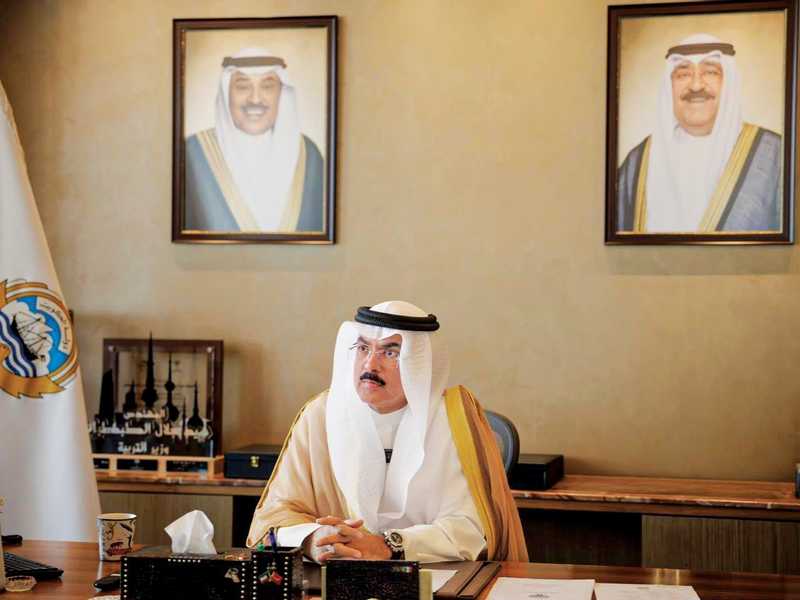
Kuwait's Minister of Education emphasizes the importance of governance and evaluation in educational reform.
Translated by Alqyas from Al-Qabas — Original source
Education Minister Jalal Al-Tabtabaee affirmed that the development of education is no longer measured solely by the volume of programs and initiatives, but by the ability of educational institutions to achieve tangible results, measure their impact, and rely on reliable indicators to shape policies and make decisions. This statement was made during his speech at the opening of the regional specialized workshop titled “Governance of General Education Evaluation Institutions in Arab Countries: A Forward-Looking Perspective,” organized by the Ministry of Education and the UNESCO Regional Bureau for Education in the Arab States, under his patronage and in his presence. The event was attended by Dr. Abdulrahman Al-Mudairis, Director-General of the UNESCO bureau, along with education experts, leaders, and representatives of national, regional, and international institutions, via the Zoom platform.
Al-Tabtabaee stressed the strategic importance of governing general education evaluation institutions, emphasizing the need for clear mandates, professional independence, procedural transparency, evaluation fairness, and result reliability. He noted that the workshop provides a platform for exchanging expertise and enhancing joint efforts to develop Arab educational systems.
He explained that evaluation is a tool for reform and continuous improvement, deriving its value from its capacity to guide educational decision-making and produce tangible effects within schools and classrooms, as well as on teacher performance and student learning levels. He pointed out that the success of development efforts is linked to utilizing evaluation results to improve performance and address shortcomings.
Al-Tabtabaee stated that Kuwait views governance and institutional evaluation as two fundamental pillars of educational reform, based on the premise that educational development requires data- and evidence-based decisions that reflect the actual needs of the educational field, with results subject to continuous monitoring and evaluation.
He added that the Ministry is implementing a comprehensive reform plan that includes developing regulatory and administrative frameworks, improving the efficiency of human resource allocation, enhancing equity in opportunities and procedures, and developing measurement and evaluation systems. These measures aim to optimize the use of resources, raise the efficiency of educational institutions, and improve the quality of their outputs.
He highlighted that the Ministry has made digital transformation a key enabler for strengthening governance, through the development of an integrated digital system that supports the educational and administrative processes, enhances procedural transparency, ensures fair application of standards, and improves monitoring and accountability.
He clarified that the system provides data and indicators for assessing performance and measuring achievements, thereby enhancing the quality of decisions and aligning them with field needs. He emphasized that reform decisions are not complete merely upon their issuance; rather, their success depends on the soundness of their foundations, clarity of implementation criteria, effectiveness of execution, and the measurement of outcomes and sustainability of their impact.
