Hiba Al-Wazan to Al-Qabas: 'Therapeutic Nutrition'.. How Does It Support Breast Cancer Survivors' Recovery?
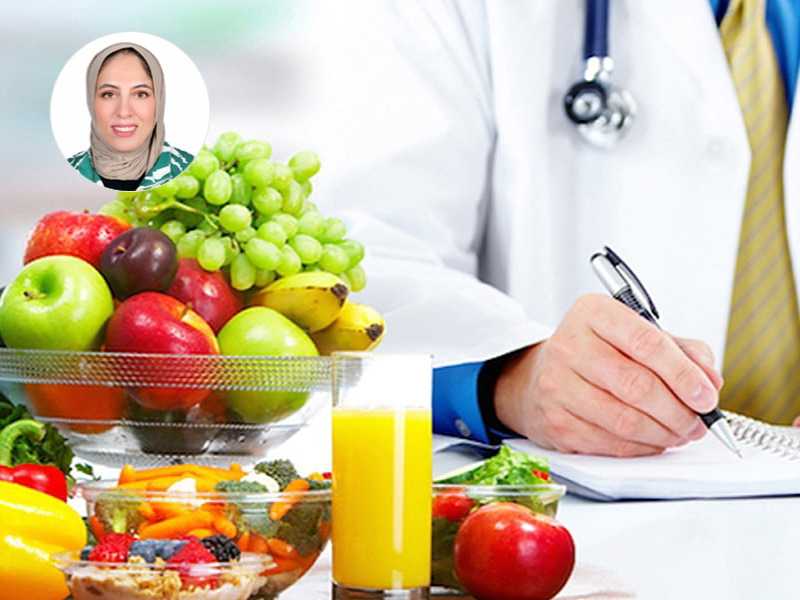
Hiba Al-Wazan emphasizes the importance of individualized dietary plans to support the health of breast cancer patients during treatment and recovery.
Translated by Qiyas from القبس — Original source
Dr. Wala’a Hafiz identifies breast cancer as one of the most common types of cancer among women worldwide, making awareness campaigns a public and community health responsibility that goes beyond merely identifying symptoms and warning signs. Such efforts must also correct misconceptions, encourage women to prioritize their health, and urge them not to delay consulting a doctor when noticing any unusual changes in the breast. Discourse on the disease should no longer focus solely on instilling fear; rather, it must be grounded in knowledge, emphasize prevention, highlight the importance of early detection, and, most crucially, reinforce the understanding that a breast cancer diagnosis does not mark the end of the road. Thanks to continuous advancements in treatment and care options—tailored to the specific nature and needs of each case—patients have more hope than ever.
◄ A Personalized Plan
Amid this journey, therapeutic nutrition gains special importance as a fundamental component of supportive care for breast cancer patients. Its role extends beyond selecting healthy foods and organizing meals; it also involves maintaining nutritional status, minimizing muscle mass loss and malnutrition risks, and helping alleviate certain treatment side effects that can affect appetite and food intake, such as nausea, taste changes, fatigue, and gastrointestinal disturbances.
Given that nutritional needs vary according to each patient’s health condition, type of treatment, weight, and response to therapy, it is essential to develop an individualized dietary plan that accounts for these factors and is based on professional assessment. Appropriate nutrition does not mean following a one-size-fits-all diet or blindly adhering to popular advice; rather, it involves choosing what best suits the patient’s needs, helping her tolerate treatment and preserve her health as much as possible.
◄ Nutrition During Recovery
Proper nutrition during treatment is no less important than its role in the recovery and follow-up phases, as it constitutes a vital part of ongoing care for breast cancer patients. In this context, we spoke with therapeutic nutrition specialist Hiba Al-Wazan to explore the role of nutrition throughout the patient’s journey, examining how a balanced diet supports patients during diagnosis, treatment, and recovery, and highlighting key nutritional guidelines that help meet their needs and support their health across all stages of their journey.
◾ Factors That Increase Risk
Al-Wazan pointed out that potential causes of breast cancer include genetic, psychological, and social factors, as well as occupational ones. Certain behaviors, such as smoking, physical activity levels, and dietary habits, may also contribute. These factors can act individually or collectively, resulting from cumulative exposure over many years or from exposure during a short period.
Factors that increase the risk of breast cancer include:
1. Uncontrollable factors:
● Advancing age.
● Female sex.
● Infertility or late childbirth.
● Menopause or late onset of menopause (after age 55).
● Early puberty (before age 12).
2. Controllable factors:
● Weight: Obesity is linked to an increased risk of breast cancer, particularly after menopause. Excess body fat can elevate estrogen levels, thereby raising the risk of certain types of breast cancer. Therefore, maintaining a healthy weight is recommended.
● Diet: Following a balanced and varied diet rich in vegetables, fruits, and whole grains helps support overall health and maintain a healthy weight, potentially reducing the risk of developing the disease.
● Physical activity: Regular exercise helps maintain a healthy weight and may reduce the risk of breast cancer, particularly after menopause. ● Healthy habits: Smoking cessation is advised, as all forms of smoking are associated with an increased risk of breast cancer. ◄ Nutritional challenges during treatment Al-Wazan noted that during the breast cancer treatment journey, appetite, weight, or the ability to consume certain foods may change. Therefore, nutritional needs depend on health status, treatment, symptoms, and individual requirements, with key fundamentals that must be carefully observed. She added that prominent nutritional issues during treatment include changes in appetite and taste perception, as well as nausea and difficulty drinking fluids. Thus, it is essential to consult a nutritionist to help adjust your diet during recovery and beyond. In a statement to Al-Qabas, Al-Wazan said: “Healthy nutrition is important at all stages and varies from one patient to another, depending on the side effects of the prescribed treatment.” She provided the following dietary guidelines: 1 - Ensure that the patient meets her energy and caloric needs with appropriate food types. 2 - Ensure adequate protein intake to preserve muscle mass and support various bodily functions, along with proper hydration and sufficient fluid consumption. 3 - Diversity: A variety of food sources helps obtain a broad range of nutrients. ◄ Appropriate diet Al-Wazan emphasized that following a healthy, balanced diet is an important factor in reducing cancer risk, achieved by consuming the following: ● Anti-cancer and antioxidant foods, which are natural plant compounds (phytochemicals) with anti-cancer properties, such as beta-carotene found in carrots, pumpkin, onions, and spinach. ● Flavonoids: (plant-based antioxidants) whose function is to reduce cancer risk and lower estrogen levels, thereby helping to slow breast tumor growth and reduce the risk of recurrence. Sources include red fruits and vegetables such as watermelon and red bell peppers. ● Isoflavones: (plant compounds similar to estrogen) whose function is to inhibit cancer cell growth and spread, and prevent the proliferation of breast cancer cells. They are found in sour cherries, broccoli, and tomatoes. ● Enhanced flavonoids: (natural plant-based antioxidants) with anti-inflammatory properties that help inhibit toxicity in breast cancer cells. Sources include white berries and soybeans. ● Lignans: (natural plant compounds) that help prevent cancer, reduce inflammation, and lower the risk of postmenopausal breast cancer. They are found in potatoes, broccoli, and berries. ● Plant sterols: Play an important role in disease prevention; they are anti-cancer, anti-inflammatory, and lipid-lowering, and also help inhibit breast cancer cell growth and stimulate cancer cell death. ◄ Important tips for healthy nutrition during illness Al-Wazan provided the following key recommendations: 1 - Make the majority of your diet consist of vegetables, fruits, whole grains, and legumes, with variety. 2 - Consume sugar-free, low-fat dairy products. If you consume plant-based milks, ensure they are calcium-fortified, such as rice, almond, and coconut milk.
3. Ensure consumption of healthy protein sources, such as skinless chicken and lean meat, and aim to eat fish twice a week, especially fatty fish like salmon. 4. Add healthy fats in moderation, such as olive oil, avocado, nuts, and seeds. 5. Pay attention to fluid intake; when appetite is low, smoothies, milk, yogurt, and nutrient-rich beverages can be consumed to boost energy and protein intake. 6. Reduce consumption of processed foods that contain high levels of additives, such as ready-made meals, canned foods, and fast food, and replace them with fresh foods. ◄ Soy products: Regarding soy products, Al-Wazan noted that whole soy foods such as tofu, edamame, and soy milk are generally safe for breast cancer patients when consumed as part of a balanced diet; however, concentrated soy supplements are not recommended without consulting a specialist.
