Why Do the Elderly in China Hire Young Companions?
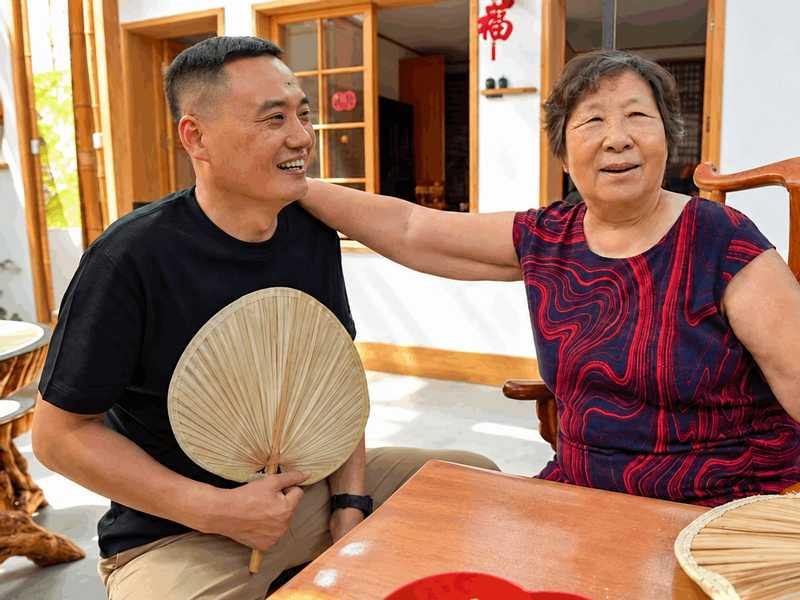
A BBC report on the phenomenon of hiring young people to accompany the elderly in China due to its aging population.
Translated by Qiyas from القبس — Original source
Some elderly people in China are turning to hiring “temporary sons” to keep them company and assist with their daily lives, a trend that is growing as real children become busy or relocate for work and residence far from their parents. According to a BBC report, young men and women offer these services for pay, through regular visits during which they chat with the elderly, deliver meals, and help with household chores. As these encounters repeat, some of these relationships take on a familial character, easing feelings of isolation and providing the elderly with support they often lack in their daily lives. This phenomenon emerges amid China’s social and demographic shifts: the migration of children to other cities in search of work and the pressures of modern life have reduced direct communication within some families, leaving many older adults without regular companionship or assistance. Reports indicate that the one-child policy, which lasted for decades, has accelerated population aging and shrunk family sizes, increasing the caregiving burden on fewer children and weakening the family support available to some elderly people. With rising demand, startups and digital platforms have entered this space to facilitate the selection of companionship providers, described as “substitute sons,” and to schedule visits according to the elderly’s needs. These services fall within a broader sector known as the “loneliness economy,” which Sinolink estimated at around $7.4 billion in 2025, according to BBC reports, though data remain limited. The estimate includes various companionship and support services and is not limited solely to “renting sons.” The trend has sparked debate over the boundaries of outsourcing paid services to meet emotional needs: while supporters view it as a practical way to alleviate loneliness and provide assistance, critics see it as commercializing children’s duties and family bonds. Amid these differing views, the elderly’s need for attention and human connection remains the primary driver behind the search for a “substitute son.”
