Shocking Image of Amputated Gaza Children Dominates Global Headlines
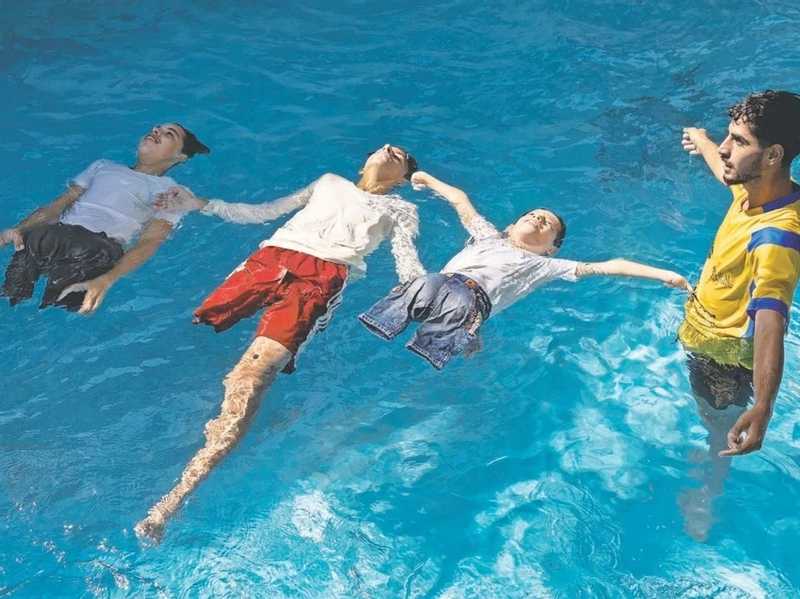
Images of amputated children from Gaza dominated global newspapers, as residents struggle to rebuild their lives amidst destruction and restrictions.
Translated by Qiyas from القبس — Original source
A shocking image of children from the Gaza Strip who lost their limbs in the war, finding themselves facing a bitter reality none of them chose, topped the headlines of several international newspapers, in a scene that encapsulates the tragedy of children whose innocence has paid the price for war. After years of war, destruction, and displacement, Palestinians in the Gaza Strip are trying to rebuild their lives and forge a future from the rubble, in a reality still dominated by the effects of shelling, lack of services, restrictions on movement, and reconstruction efforts, despite the ceasefire that entered into force last October. According to a report published by The New York Times, the ceasefire has not ended the suffering of the sector’s residents, as Israeli strikes continue at a lower intensity, while Palestinian efforts to restore normal life persist amid widespread destruction and harsh humanitarian conditions. Despite the harsh reality, residents are trying to adapt to their circumstances and find ways to survive by rebuilding modest homes, resuming limited economic activities, and launching small projects to help meet their basic needs. With approximately 80% of Gaza’s buildings destroyed or damaged, according to the United Nations, rebuilding housing has become a monumental challenge, given limited resources and the difficulty of importing construction materials and heavy machinery. Faced with these obstacles, some Palestinians resort to using rubble, turning demolished concrete blocks into building materials and extracting iron rods from damaged buildings to reuse them in reinforcing new structures or repairing what remains. Meanwhile, most residents still live in displacement camps and tents, while the opportunity to reside in existing homes is limited to those who managed to preserve their houses or afford rent, reflecting the scale of the housing crisis left by the war. The war’s impact has not been confined to homes and infrastructure; it has extended to income sources and commercial activities that residents rely on for their daily lives. While some business owners are trying to resume their activities with limited resources, others are launching small projects or reviving their former professions in an effort to secure the minimum requirements for living. These attempts face multiple obstacles, including rising prices, shortages of basic materials, declining purchasing power, and restrictions on accessing large areas of the sector. Fishermen are also trying to return to the sea despite risks and restrictions, while artisans and tradespeople continue working in temporary locations after many lost their shops, workshops, and equipment during the war. Even social occasions that were once part of Palestinians’ daily lives are now held under exceptional conditions. Wedding parties and celebrations have become simple events organized inside tents or displacement sites, amid financial and logistical difficulties that limit families’ ability to celebrate as they used to. These developments reflect residents’ determination to cling to social life despite loss and deprivation, but they also reveal the extent of the changes the war has imposed on the details of their lives. Suffering intensifies as basic services decline, with many families facing difficulties in accessing water, electricity, and food, while children live in environments lacking the foundations of stable life, with many deprived of regular education. Furthermore, damage to infrastructure and the decline in municipal services have led to the accumulation of waste and the spread of rodents, heightening health concerns in crowded displacement areas.
These circumstances coincide with the ongoing security risks and movement restrictions, as well as limited access to large parts of the sector, which are hampering recovery and rebuilding efforts. Amidst the rubble, tents, and scarce resources, Gaza’s residents are striving to carve out space for hope by repairing what can be repaired, restoring livelihoods, and preserving social ties. However, these individual efforts, however resilient they may appear, remain limited in the face of the scale of destruction and the need for comprehensive reconstruction and the provision of basic living necessities.
