Deputy Minister of Education for Educational Affairs: We Discovered 12 'Decorative' Teachers at a Religious Institute Who Do Not Teach the Subject
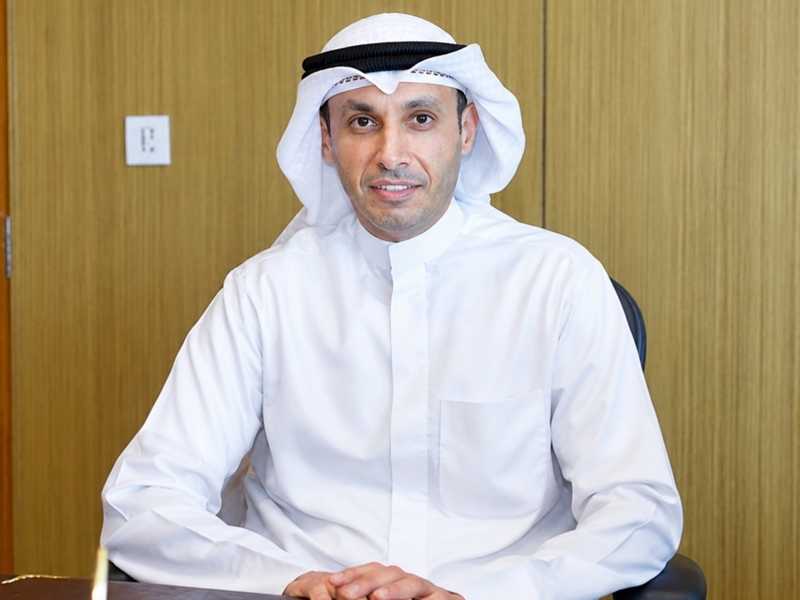
Hamad Al-Hamad confirmed the existence of disparities in teacher distribution, including 12 'decorative' teachers at a religious institute.
Translated by Qiyas from القبس — Original source
Faisal Matar: Assistant Undersecretary for Educational Affairs at the Ministry of Education, Eng. Hamad Al-Hamad, confirmed that the ministry is working to address disparities in the distribution of educational staff and achieve balance among schools across various specializations. He noted that 82% of schools have had their staff surpluses addressed, and achieving 100% resolution will require additional time.
Speaking during an interview with the program “Good Evening, Kuwait,” Al-Hamad stated that the ministry held a meeting several months ago with Minister of Education Jalal Al-Tabatabai to discuss the size of the teaching workforce. The meeting revealed disparities in teacher numbers across different programs, which the minister described as “unacceptable.” He added that the minister directed the formation of a specialized committee to standardize numbers and verify the exact and accurate count of teachers, ensuring data accuracy and proper distribution of educational staff. Al-Hamad clarified that the figures identified by the ministry reflect the previous situation inherited from prior administrations.
Al-Hamad pointed out a significant disparity in the number of educational supervisors between kindergartens, noting that some kindergartens have no supervisor, while others have as many as 12. He also cited an example in one of the Ahmadi schools, where 66 Islamic education teachers were assigned, while another school faced a shortage in the same specialization. Furthermore, the ministry identified 12 decoration teachers at the Religious Institute despite the subject not being taught, as well as three department heads for the same specialization in a single school; two of them were transferred to rectify the imbalance.
He explained that determining actual needs relies on linking teacher records with student records to calculate the required number of teachers for each subject, with a reserve ratio of 7% for male teachers and 20% for female teachers. Al-Hamad stated that the average distance for transferring teachers between their previous and new schools was 11.2 kilometers, emphasizing that transfer priorities were based on justice and transparency, with the most recently appointed teachers being transferred first. Transfers of supervisory positions were based on the criterion of the most recent promotion.
He added that the ministry applies governance according to its organizational structure, which includes three assistant directors and one department head for each subject. He stressed that student and teacher stability is a priority, and that addressing surpluses aims to serve educational interests. Al-Hamad confirmed that the minister directed a review of humanitarian and exceptional cases related to long distances, noting that the ministry has opened a channel for appeals via an electronic platform that allows teachers to easily object to transfer decisions, enabling the study of each case and the issuance of appropriate rulings.
Al-Hamad denied that any teacher was transferred to Al-Zahraa Kindergarten, calling for accuracy and reference to official sources. He indicated that the ministry has contacted colleges of education to halt student admissions in specializations suffering from significant surpluses. He clarified that teacher transfers typically continue until October 1 of each year, reassuring parents that a teacher will be available for students in every subject.
He explained that teacher shortages and complaints from parents via the “Sahl” application contributed to the rise in transfer requests, while the electronic system automatically rejects transfer requests when there is a surplus of teachers. Al-Hamad noted that the ministry employs 91,000 teachers, and needs decrease with the start of each academic term. In addition, regular reviews are conducted to address any shortages or surpluses, as retirements and fluctuations in teacher numbers throughout the year require continuous monitoring of needs.
Al-Hamad concluded with a message to teachers and parents, emphasizing that the goal is to stabilize the school environment and that reform is a long journey requiring patience.
