Global concern over the 'Black Death': Has plague returned to Russia?
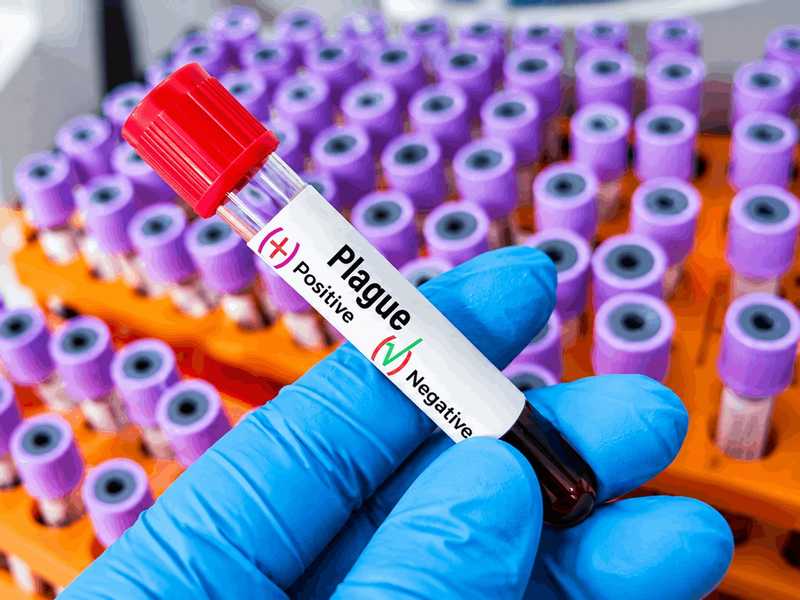
The death of an employee at a specialized institute for plague research in Siberia, along with the quarantine and monitoring measures that followed, has brought a disease associated with some of the deadliest epidemics in history back into the global spotlight, raising fears that the case could mark the beginning of a widespread outbreak. Daria Shipilova, a 28-year-old laboratory technician, died on October 2 after being hospitalized with an unexplained pneumonia whose cause has not yet been definitively determined. Shipilova worked at the Irkutsk Institute for Plague Control Research in Siberia, a fact that heightened the sensitivity of the case and fueled concerns that her death might be linked to the disease.
Russian health authorities stated that tests did not confirm she had contracted plague, and investigations have not revealed the presence of microorganisms related to her line of work. They also confirmed that no evidence of an incident involving pathogens was found at the institute. In contrast, Russian media and local reports circulated accounts suggesting that Shipilova may have been exposed to plague bacteria after breaking a test tube inside the laboratory. However, this account has not been officially confirmed, and authorities have denied any evidence of an incident related to handling plague pathogens.
Amid conflicting information, global interest has expanded, particularly with the United States entering the monitoring process. U.S. President Donald Trump stated that Washington is ready to assist Moscow if needed, while Secretary of State Marco Rubio affirmed that the United States is closely monitoring developments. Russian authorities implemented broad precautionary measures, including tracing the employee’s contacts and placing approximately 200 people under medical surveillance following her death. Authorities later announced that no confirmed plague cases had been identified among the contacts, and some were released after their monitoring period ended.
The measures also included isolating and monitoring institute staff, screening contacts, and tightening health protocols at facilities linked to the case. Authorities emphasized that the situation is under control and that they continue to monitor individuals who had contact with the employee. Several health facilities in the region were placed under precautionary measures, including a hospital in the city of Shelikhov, where Shipilova received treatment, and restrictions were imposed on entry and exit from certain facilities. These measures were taken as a preventive step amid uncertainty regarding the cause of death.
The nature of the employee’s work, combined with reports of possible pulmonary plague infection, raised concerns about the potential for transmission if the infection were confirmed. Pulmonary plague is the most transmissible form of the disease, as it can spread through respiratory droplets, and it can progress rapidly if treatment is not initiated early. However, there is currently no evidence of a widespread outbreak or new epidemic. Russia has reported no plague cases among contacts, and the World Health Organization (WHO) stated that the risk to the general public appears low based on available information.
Trump reiterated U.S. readiness to assist, noting that an outbreak would pose a significant problem for Russia, while Rubio indicated that Washington is monitoring the situation “closely” and requires more information to assess the level of risk. Trump described plague as a difficult disease, even as Russian authorities maintained that the situation is under control. The Wall Street Journal noted that the ambiguity surrounding the employee’s death and the subsequent precautionary measures have sparked public concern and questions about the level of official transparency, particularly given conflicting reports about a possible laboratory incident.
The WHO clarifies that pulmonary plague is the most severe form of the disease and that an infected person can transmit it to others through respiratory particles. The organization emphasizes that this form is of particular concern due to its potential for human-to-human transmission and its capacity to cause epidemics if not controlled quickly. Despite the severity of pulmonary plague, the WHO confirms that the disease is treatable with antibiotics, and early diagnosis and treatment significantly improve survival chances. The organization notes that untreated pulmonary plague can become fatal within a very short period, making rapid case detection, isolation, and treatment critical to preventing transmission.
