AI Limits Losses in Oil Sector
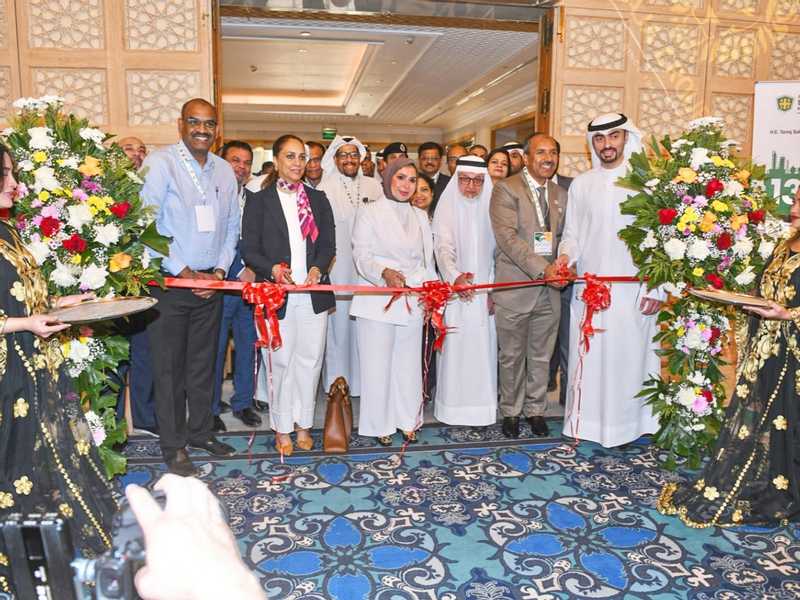
Nadia Al-Attar and Fadel Al-Ali emphasized the importance of artificial intelligence in enhancing safety and mitigating risks in the oil sector.
Translated by Qiyas from القبس — Original source
Deputy Undersecretary at the Ministry of Oil, Nadiyah Abdul Aziz Al-Attar, affirmed that the safety of workers and the protection of lives represent a fundamental priority in the oil and gas sector. This responsibility extends beyond merely implementing regulations and procedures; it is rooted in building a robust institutional safety culture, ensuring that every individual is aware of their role and responsibility in preventing risks and safeguarding their own safety and that of their colleagues.
Al-Attar, speaking on behalf of Oil Minister Tariq Al-Roumi during the opening of the 13th International Conference on Occupational Health, Safety, and Environment and Loss Prevention 2026, noted that amid the rapid developments and evolving challenges facing the oil sector, it has become essential to shift from a reactive approach to risk management toward a more advanced concept based on anticipating risks, predicting them, and mitigating their impacts before they occur.
She stated that the growing role of modern technology and digital transformation is enhancing the safety system through monitoring systems, early warning mechanisms, data analytics, and smart technologies, enabling early identification of hazard sources. She pointed out that these developments support decision-making and contribute to improving response efficiency during incidents and emergencies.
On the technical front and artificial intelligence, Fadel Al-Ali, President of the American Society of Safety Engineers (ASSE) Kuwait Chapter, said the conference aims to reduce accidents and injuries and provide a safe workplace for employees and staff through training and awareness programs, as well as presenting technical papers on the latest developments and technologies in the field.
Al-Ali added that this year’s conference theme is “Integrating Artificial Intelligence in the Service of Health, Safety, and Environment to Achieve Loss Prevention,” emphasizing that AI is increasingly encompassing all industrial, scientific, and medical fields, including occupational health, safety, and environment, and will make a significant difference. He stressed the need for caution, noting that users must possess the expertise and awareness to distinguish correct information from incorrect, and highlighted that several conference papers address this topic.
Regarding the implementation of standards and controls, Ahmed Al-Shatti, Chairman of the 2026 Health, Safety, and Environment Conference Committee, stated that oil sector companies must maintain high flexibility in addressing local challenges in Kuwait and regional challenges in the area. He noted that proactive plans are always in place to manage situations, ensuring that even if production halts, alternative plans and lessons learned from past experiences enable the achievement of targeted objectives.
Al-Shatti added in statements to journalists that there must be alignment between our commitment to safety and security standards and the avoidance of major hazards. He explained that while some minor risks may be taken, they are done so based on specific studies and standards to reach goals. He emphasized that the current edition of the conference has launched with the support and confidence of government and private institutions, aiming to present the best possible image. He affirmed that the combined efforts and expertise over the years have resulted in the conference’s distinctive excellence in this edition.
