Chili Peppers... Are They Linked to a Healthier Life?
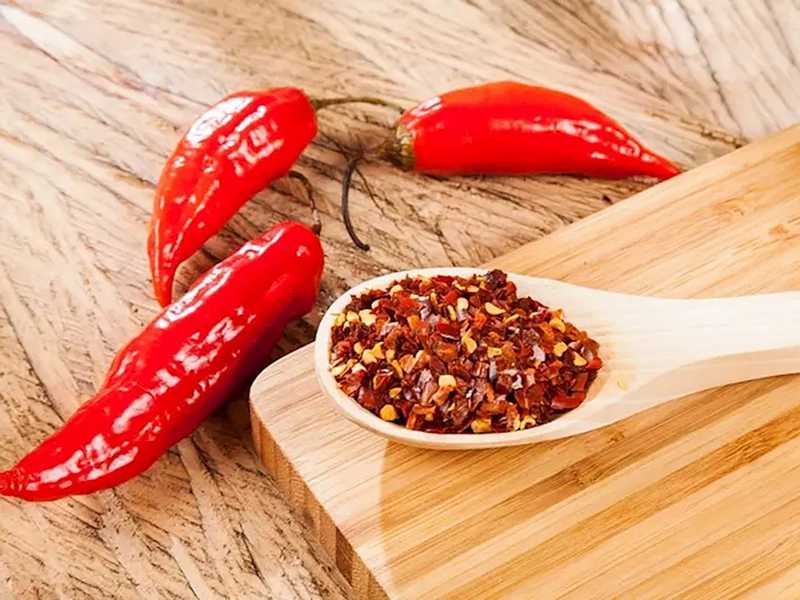
Recent research from the Kadouri Bank and the Heart Association indicates that regular consumption of chili peppers is associated with a reduced risk of death and cardiovascular diseases.
Translated by Qiyas from القبس — Original source
Rim Qasim notes that some people add a spicy touch to their daily meals, either out of habit or to enjoy the flavor. But can eating spicy food really contribute to a healthier life? Recent studies have focused on the relationship between chili pepper consumption and longevity, emphasizing both the enjoyment of its taste and the biological mechanisms associated with its consumption. A number of international studies, including an analytical review presented at recent scientific sessions of the American Heart Association, offer new insights into the potential role of chili peppers in preventing certain diseases.
Important benefits: For a long time, chili peppers have been a source of spicy flavor and a staple in many dietary systems, yet their actual impact on health remained unresolved until recently. The purported benefits were largely based, according to a report published on the website Passportsante, on the reputation of capsaicin, the compound responsible for the spicy taste of peppers. Laboratory studies have shown that capsaicin possesses anti-inflammatory and analgesic properties, and creams containing it are used to alleviate certain types of pain. However, the link between consuming spicy food and disease prevention or life extension remained unconfirmed, as early studies relied primarily on observation rather than establishing direct causal relationships.
Recent studies: Some of the most prominent data come from two large groups of studies. In a study conducted by the China Kadoorie Biobank, which followed approximately 487,000 adults for seven years, it was found that individuals who consumed spicy food six to seven times a week had a lower mortality rate, with a 14% reduction in the risk of death from any cause compared to those who rarely consumed it. Additionally, the consumption of fresh chili peppers was associated with a reduced risk of death from cardiovascular diseases, cancer, and diabetes. In another study involving more than 570,000 people, chili pepper consumption was linked to a 25% reduction in the mortality rate and a 26% reduction in deaths related to cardiovascular diseases.
Diversifying spices: In practice, consuming spicy food may be associated with better health indicators, particularly among people who regularly diversify their spice consumption. Based on the Italian Moli-San study cited by Dr. Lorraine Martins, the risk of death from cardiovascular diseases decreased by 34% among individuals who consumed chili peppers more than four times a week. These results were observed regardless of other dietary components. However, eating spicy food is not the only factor influencing health and cannot replace physical activity, a diverse diet, or quitting smoking. Dr. Lorraine Martins states, “All spices, along with aromatic herbs, allow for the regular intake of small amounts of various biologically active compounds, while adding distinctive flavor to food. I recommend to my patients to consume them daily as part of a broader, more diverse, and balanced diet.”
The effect of capsaicin: Capsaicin has many biological effects that have been studied, including contributing to the regulation of blood lipids, lowering total and LDL cholesterol levels, and improving blood vessel dilation by enhancing nitric oxide production. It may also help reduce chronic inflammation and combat oxidative stress.
