Spain plans to attract tourists to rural areas
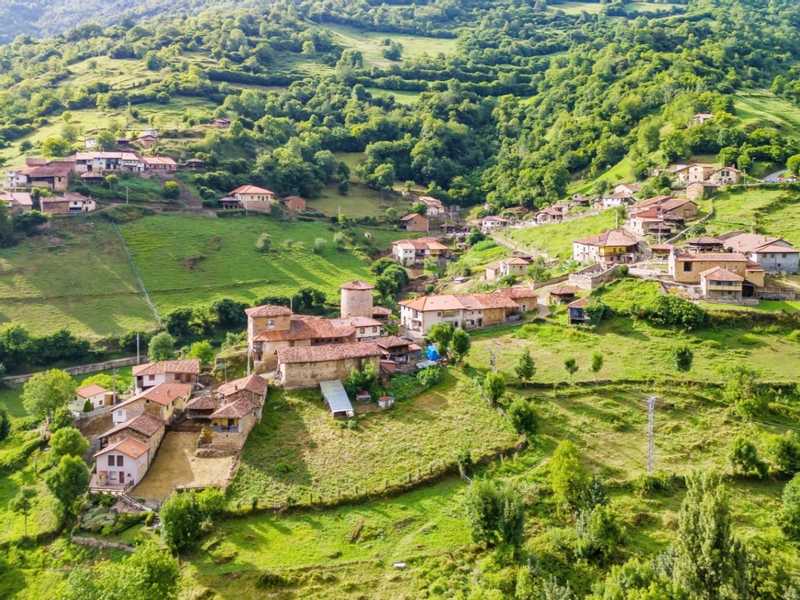
Spain is moving to redistribute tourism across its various regions through a new plan aimed at alleviating congestion in cities and popular destinations, while encouraging visitors to discover rural areas and regions that have attracted fewer tourists. This comes amid expectations of hosting approximately 100 million international visitors this year.
Spain, which received 96.8 million international tourists in 2025, is seeking to strike a balance between sustaining growth in the tourism sector and preserving the quality of life for local residents, particularly in cities facing increasing pressure from large influxes of visitors, with Barcelona at the forefront, according to a report published by Euronews.
Carlos Ruiz González, Director of the Spanish Tourism Office for the Gulf region, outlined the key features of the “Tourism 2030 Plan” during the Arabian Travel Market in Dubai. The plan places sustainability and the well-being of local residents at the core of the country’s tourism policy.
He explained that the plan aims to address disparities between tourist destinations: while some cities and coastal resorts suffer from overcrowding, rural and inland areas are seeking to attract more visitors and benefit from tourism revenues.
He noted that Spain’s significant tourism success in recent years has prompted the government to reconsider how it manages this growth, as some destinations have begun to experience the negative consequences of excessive tourist influx.
González emphasized that the plan seeks to distribute visitors more evenly across different regions and encourage them to extend their stays rather than limiting themselves to quick visits. This would allow them to explore new destinations and provide local communities with greater opportunities to benefit from tourism revenues.
He clarified that some famous cities and landmarks no longer require additional promotion, while new efforts are focused on directing tourists toward inland areas and encouraging them to enjoy calmer trips and longer stays.
The plan highlights diverse natural destinations, including the Pyrenees and the Picos de Europa, which attract nature lovers and long-distance hikers, as well as the Sierra de Guadarrama National Park near Madrid.
Promotional efforts also include historic cities and small towns in the Castile region, leveraging the high-speed rail network to facilitate access to destinations outside traditional tourist hubs.
