6 Foods That Fight Chronic Inflammation
Nour Nour Al-Din
When we hear the word “inflammation,” we may think of the redness or pain that appears after an injury or infection. This type of inflammation is a natural and important part of the body’s defense. However, the problem begins when inflammation persists for prolonged periods and turns into what is known as chronic inflammation. The continuous immune response can damage tissues over time and is linked to an increased risk of several diseases, including heart disease, type 2 diabetes, dementia, and certain types of cancer. According to Harvard experts, the food we consume daily may be one of the tools that helps mitigate this condition.
Is there an anti-inflammatory diet?
In fact, there is no single official diet that bears this name, according to nutrition specialist Gene Longo at Beth Israel Deaconess Medical Center, affiliated with Harvard. However, research suggests that the Mediterranean diet is one of the best dietary models for combating chronic inflammation. This diet is primarily based on vegetables, fruits, whole grains, legumes, nuts, seeds, and olive oil, along with moderate amounts of dairy products and lean protein sources. Plant-based diets and the DASH diet, used specifically to support heart health and blood pressure, are also similar to it. The most important rule here is that the overall dietary pattern is more important than any single food.
Omega-3: Beneficial fats in the fight against inflammation
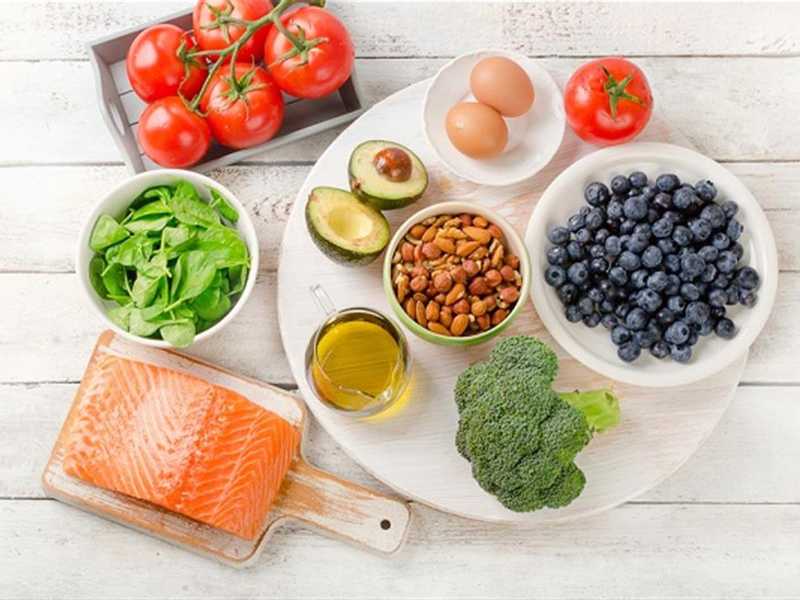
Foods rich in omega-3 fatty acids are among the top choices to add to the diet. These include fatty fish such as salmon, sardines, mackerel, and tuna, as well as chia seeds, walnuts, soybeans, flaxseed oil, and some leafy greens like spinach and kale. Omega-3 is associated with effects that help regulate the inflammatory response, in addition to its well-known role in supporting heart and blood vessel health.
Make your plate more colorful
Blueberries, blackberries, apples, citrus fruits, and onions are not only rich in vitamins but also contain polyphenols, which are plant compounds with antioxidant and anti-inflammatory properties. These compounds are also found in tea, coffee, dark chocolate, and soybeans. Therefore, varying the colors of vegetables and fruits can be a simple way to obtain a broader range of beneficial plant compounds rather than relying on just one type.
Don’t forget fiber
Legumes, oats, barley, bran, vegetables, fruits, and whole grains provide significant amounts of fiber. The importance of fiber is not limited to preventing constipation; some beneficial gut bacteria use it to produce compounds that may help regulate immunity and inflammation. The gut microbiome can also be supported by foods containing probiotics, such as yogurt, kefir, and some types of fermented vegetables.
Not all fats are the same
Instead of trying to eliminate fats entirely, Harvard recommends focusing on unsaturated fats. These can be obtained from olive oil, avocados, canola oil, as well as walnuts, almonds, other nuts, and sesame and pumpkin seeds. These fats are a fundamental component of the Mediterranean diet and can be used in place of sources rich in saturated fats.
Spices matter in the dish
Using herbs and spices may be another way to add beneficial plant compounds to food. Garlic, ginger, rosemary, pepper, cinnamon, and turmeric contain natural compounds with anti-inflammatory properties. However, this does not mean that adding a spoonful of turmeric to food can treat an inflammatory disease; the potential benefit comes within the context of the overall diet and lifestyle.
Food alone is not enough
Diet is not the only factor affecting chronic inflammation. Regular physical activity, maintaining a healthy weight, getting good sleep, avoiding smoking, and reducing stress are all important factors as well. Harvard points out that regular aerobic exercise helps combat chronic inflammation, while smoking, poor sleep, and chronic stress are associated with increased inflammatory markers and processes in the body.
Foods best reduced
An anti-inflammatory diet is not only about what we add to our food, but also about what we reduce. Ultra-processed foods are among the top choices that Harvard recommends limiting, including some ready-made meals, potato chips, biscuits, sugar-rich breakfast cereals, and processed meats. It is also advised to reduce red and processed meats, fried foods, sugar-sweetened beverages, refined carbohydrates such as white bread, white rice, and baked goods, as well as solid fats like margarine and some animal fats.
Key food groups:
Below are the foods recommended by nutrition experts at Harvard:
1. Foods rich in omega-3: fatty fish, chia, walnuts, soybeans, flaxseeds.
2. Fruits and vegetables rich in polyphenols: berries, apples, citrus fruits, onions, and others.
3. Foods rich in fiber: legumes, oats, barley, whole grains, vegetables, and fruits.
4. Sources of probiotics: yogurt, kefir, fermented vegetables.
5. Unsaturated fats, nuts, and seeds: olive oil, avocados, canola oil, walnuts, almonds, sesame, pumpkin seeds.
6. Herbs and spices: garlic, ginger, rosemary, pepper, cinnamon, turmeric.
